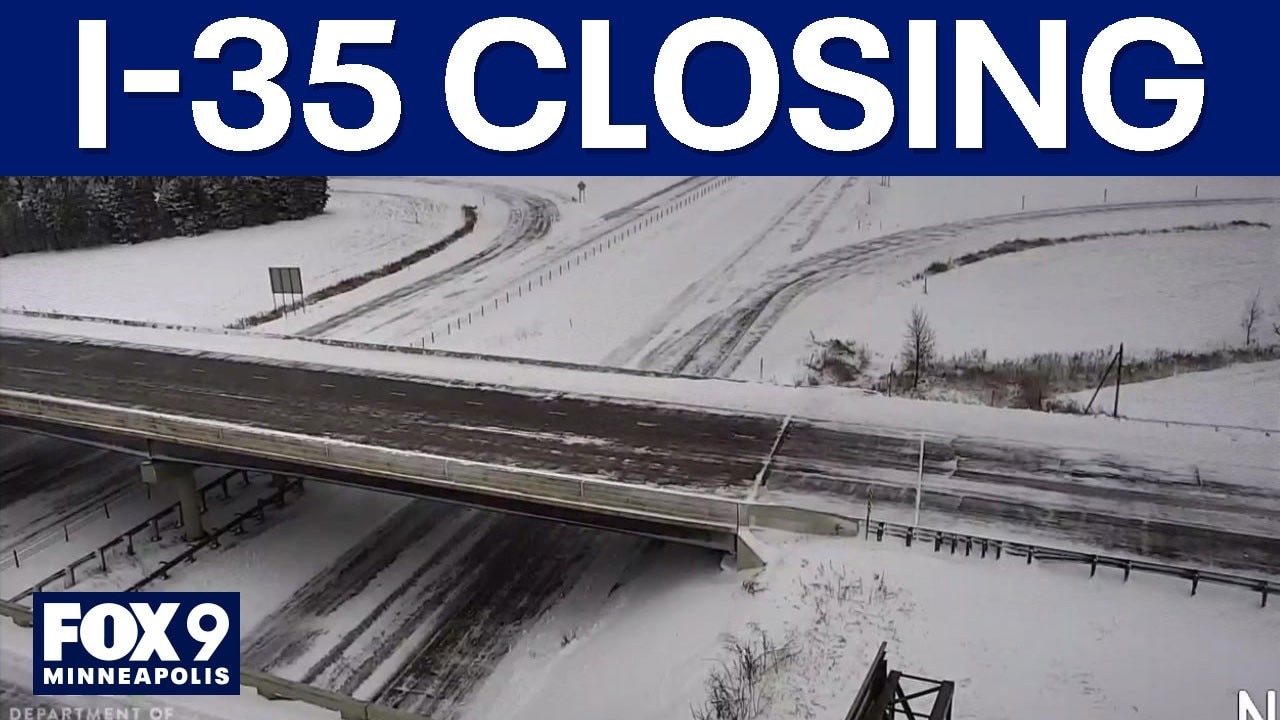
Interstate 35 is closed from Albert Lea, MN, into central Iowa — southbound lanes closed in MN from Albert Lea to the Iowa border and both directions closed in IA from the Minnesota border to U.S. 30 in Ames. MnDOT issued an 11-county no-travel advisory in southeast Minnesota (Dodge, Fillmore, Freeborn, Goodhue, Houston, Mower, Olmsted, Rice, Steele, Wabasha, Winona). Duration of the closures is unknown and officials warn closures could expand north as snowplows are being outpaced by snowfall.
This is a short-duration, high-friction shock concentrated on a critical north–south freight artery that disproportionately affects time-sensitive flows (refrigerated produce, daily livestock, ethanol inputs and corn-to-plant processing). Expect truckload spot rates in the affected corridor to spike within 24–72 hours as capacity tightens and shippers scramble for reroutes, with knock-on effects on local regional inventories and just-in-time processors that run on thin working capital.
Rail and intermodal operators are the natural arbitrage beneficiaries if they can pick up diverted volume, but capacity and terminal labor will cap the upside; conversion from truck to rail typically materializes over 3–14 days and requires available box inventory and locomotive power. Suppliers of anti-icing/salt and emergency contracting crews see immediate pull-forward demand that can lift near-term revenues by low-double-digit percentages regionally for the month.
Second-order risks include temporary basis dislocation in corn/soybean markets tied to ethanol plant throughput reductions and delayed deliveries to processors — a few days of congestion can pressure local cash bids and create backwardation in front-month delivery windows. The most likely mean-reversion is quick (days–two weeks) once roads reopen; the primary downside path is an expanded closure window or cascading labor/terminal constraints that extend impacts into a month, at which point earnings and seasonal order flows could be affected materially.
AI-powered research, real-time alerts, and portfolio analytics for institutional investors.
Request DemoOverall Sentiment
neutral
Sentiment Score
0.00
