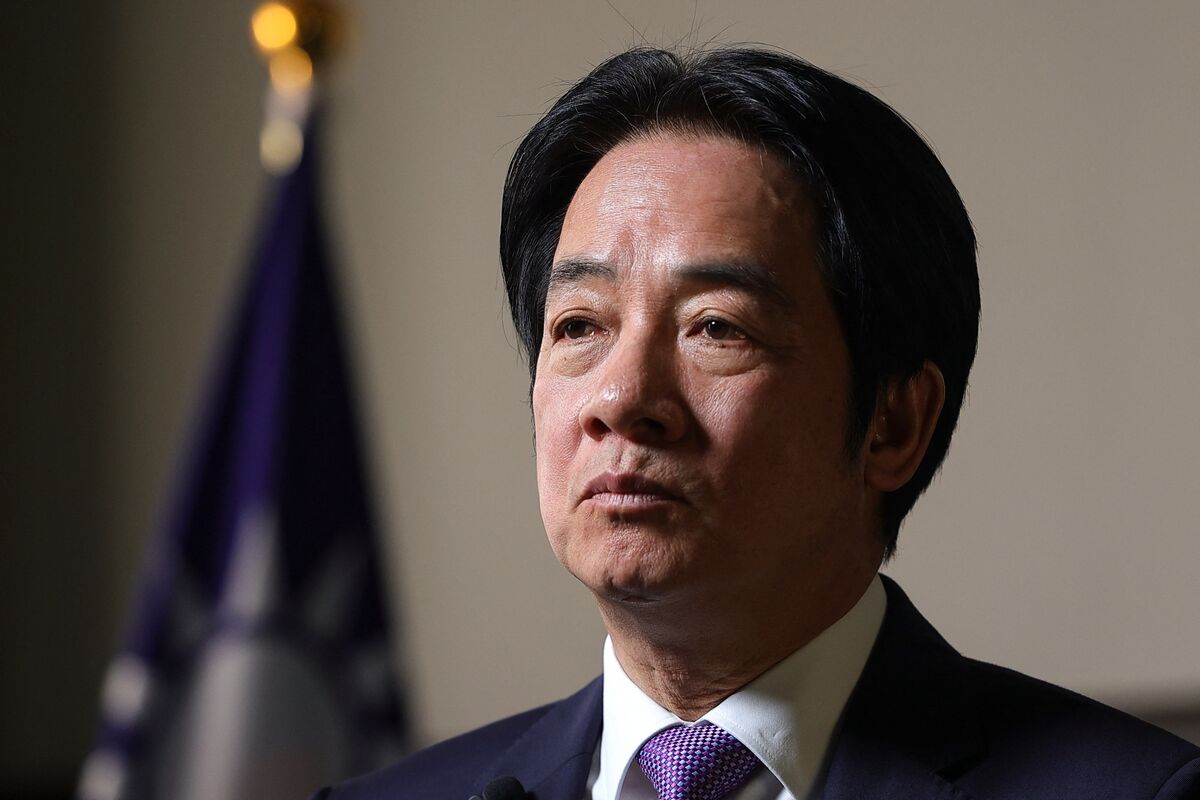
Taiwan President Lai Ching-te will visit Eswatini from April 22-26, his first foreign trip since December 2024. The visit marks the 40th anniversary of King Mswati III’s coronation and birthday, underscoring Taiwan’s remaining diplomatic ties in Africa. The article is primarily geopolitical and ceremonial, with limited direct market implications.
This is less about Taiwan-Eswatini and more about signaling discipline: a direct, no-stopover itinerary reduces the usual optics of dependence on transit hubs and underscores that Taipei is willing to spend political capital to preserve a shrinking recognition base. The market implication is mostly through foreign-policy noise around China-Taiwan, but the second-order effect is on EM sovereign risk premia for small African states that can become bargaining chips in larger geopolitical contests. If Beijing judges the visit as a challenge to its diplomatic pressure campaign, the near-term response is more likely to show up in coercive economic gestures, cyber activity, or public warnings rather than anything directly market-moving. The bigger risk is not the trip itself but what it implies about the durability of Taiwan’s remaining diplomatic architecture over the next 6-18 months. Any additional loss of recognition would have a nonlinear effect on Taiwan’s international standing and could modestly widen tail-risk premia for Taiwan-linked exporters, insurers, and shipping names via headline volatility rather than fundamentals. Conversely, a smooth visit can temporarily reduce perceived escalation risk, which matters for short-dated event hedges more than for medium-term asset allocation. Contrarian angle: consensus may be overfocusing on symbolic diplomacy and underestimating that the actual tradable is volatility compression after the event. These trips often generate a brief risk premium that fades quickly unless followed by concrete retaliation. That makes the setup more attractive as a short-volatility or fade-the-headline expression than as a directional geopolitical bet. The cleanest expression is to own optionality into the event and monetize afterward if the reaction is muted. For longer-dated investors, the real watch item is whether China uses the visit to justify broader pressure on third countries that interact with Taiwan, which would be more relevant for emerging-market spreads than for Taiwan-specific equities.
AI-powered research, real-time alerts, and portfolio analytics for institutional investors.
Request DemoOverall Sentiment
neutral
Sentiment Score
0.00
