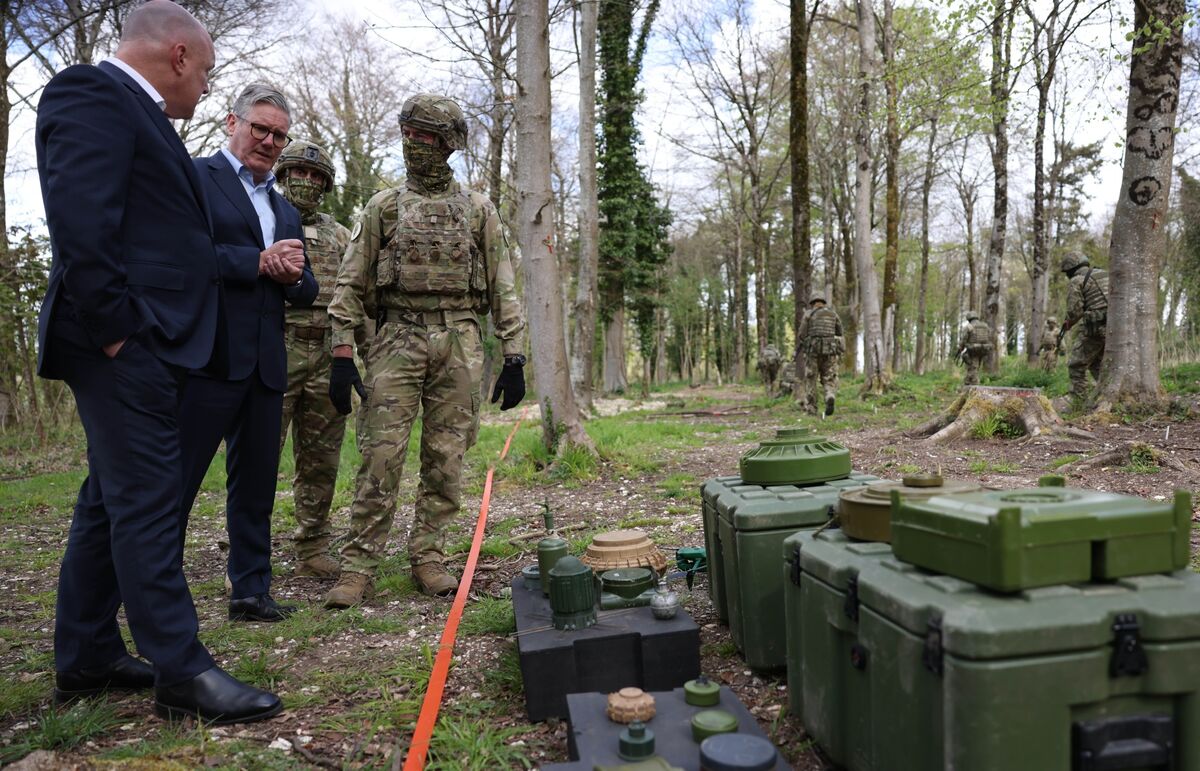
UK Prime Minister Keir Starmer is set to commit the nation to spending 5% of its GDP on security by 2035, a substantial increase from the current 2% NATO target. This ambitious pledge, aligning with a new NATO goal pushed by Donald Trump, will be announced at the Hague summit, allocating 3.5% for core defense and 1.5% for related security, despite no clear path for achieving this significant fiscal expansion being provided.
The UK government's pledge to increase security spending to 5% of GDP by 2035 marks a significant strategic and fiscal pivot, more than doubling the current 2% NATO commitment. This long-term target, which allocates 3.5% to core defense and 1.5% to related security, signals a secular tailwind for the UK's defense industry. However, the announcement's primary weakness, and a key point of uncertainty for markets, is the complete absence of a detailed funding pathway. This lack of a fiscal plan raises critical questions about the long-term sustainability of the pledge and its potential impact on future government borrowing, taxation, or spending in other sectors of the economy. While the move aligns the UK with emerging NATO expectations and reflects a response to a shifting geopolitical landscape, its implementation remains a distant and unfunded proposition, appropriately resulting in a mixed sentiment signal with a low immediate market impact.
AI-powered research, real-time alerts, and portfolio analytics for institutional investors.
Request DemoOverall Sentiment
mixed
Sentiment Score
0.05
