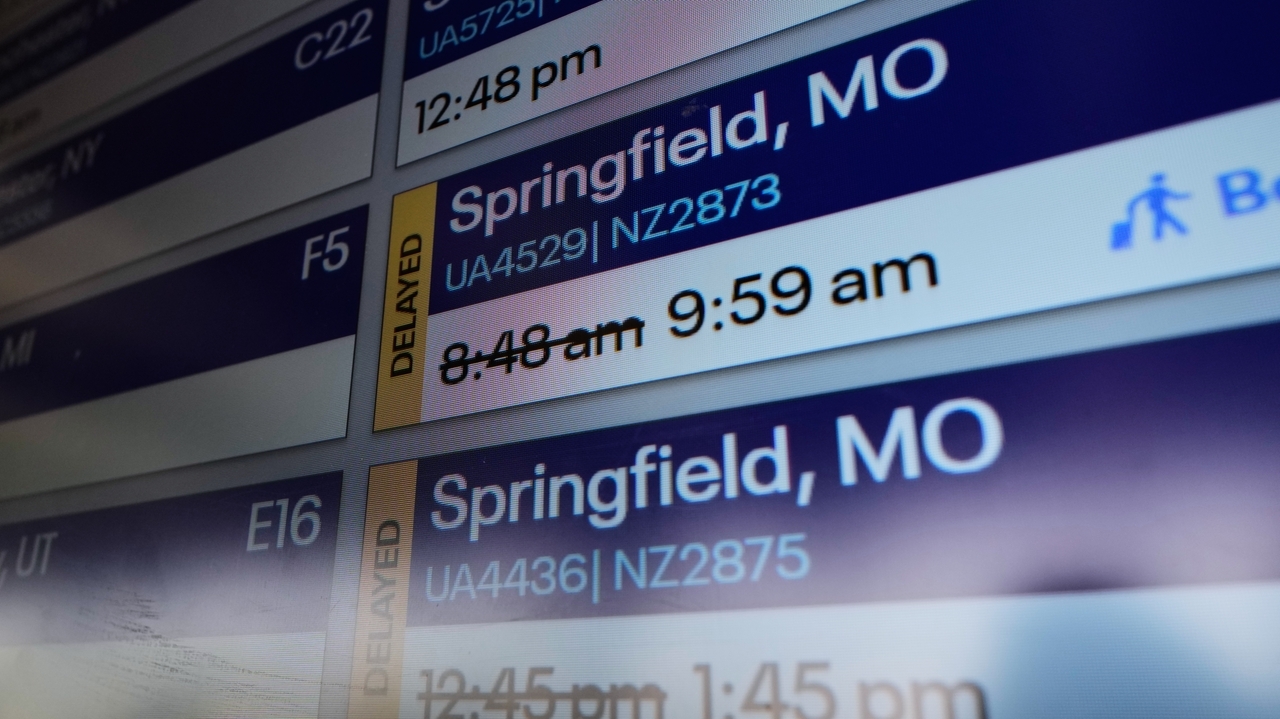
A winter storm across the Northeast and Great Lakes disrupted holiday travel, with at least 1,500 flights canceled from Friday night into Saturday and New York City receiving just under three inches of snow. Major New York-area airports (Newark, JFK and LaGuardia) issued snow warnings and state officials in New York and New Jersey declared states of emergency as forecasters warned of hazardous travel, potential tree damage and power outages; the storm was expected to weaken by Saturday morning. Impacts are concentrated on transportation and regional activity around the holiday period and are unlikely to materially move broad financial markets.
Market structure: Short, concentrated operational shocks (1,500+ cancellations) directly hurt airlines (AAL, DAL, UAL, LUV), airport ops and travel insurers via rebooking/comp claims; winners are road-transport and ground-service providers (rental cars, parking, shuttles) and local energy suppliers for heating. Pricing power shifts are transient — airlines face demand destruction and higher unit costs from irregular operations, while rental firms see temporary pricing power in holiday windows.
Supply/demand & cross-asset effects: Flight seat supply is fixed short-term so revenue loss is immediate; road-travel demand rises, increasing short-term rental car utilization and used-car pipeline risk 1–3 months out. Expect intraday uplift in NatGas/heating oil in the Northeast (localized), a small safe-haven move into Treasuries (pushes yields down 5–15bps intra-session possible), and a 15–40% spike in airline options implied volatility on headline disruption.
Risk assessment & horizons: Immediate (days): operational losses for airlines, higher VAR/IV for airline options, localized energy price blips; Short-term (weeks–months): rebooking yield recovery potential for airlines, rental demand normalization, modest second-order pressure on used-car prices; Long-term: negligible structural change unless storms increase frequency. Tail risks: extended outages, infrastructure damage or regulatory penalties >$100m to major carriers or airports from systemic failures.
Contrarian/trigger points: The market often overreacts to headline storms — this event under-delivered vs forecasts (NY ~3"), so a rapid mean-reversion in airline equities is likely within 7–14 days if cancellations drop below 5% baseline. Monitor cancellation count, JETS ETF IV, and 7-day NOAA temperature deviations >3°C as precise triggers to flip positions.
AI-powered research, real-time alerts, and portfolio analytics for institutional investors.
Request DemoOverall Sentiment
mildly negative
Sentiment Score
-0.25
