Hawaiian Electric is expected to report Q1 EPS of $0.28, up 22% year over year and above the prior quarter's $0.24, but sentiment remains cautious ahead of results. Analysts keep the stock at Sell/Underperform with a mean target of $13.75, about 11% below the current $15.42 share price, reflecting uncertainty around regulatory recovery and profitability. Key watch items are the $170 million rebasing proposal, liability-cap rulemaking, and wildfire settlement progress, while rising oil prices may pressure customer bills because more than 60% of generation is petroleum-based.
HE is in the awkward middle phase of a post-crisis utility: the equity can look optically cheap on earnings, but the real driver is not near-term EPS, it is whether regulators allow a reset of the allowed return framework before the balance sheet gets asked to fund a heavier capex cycle. That creates a classic “good news can still be bad for stock” setup: even if results beat estimates, any commentary that pushes the rebasing benefit deeper into 2027 or ties it to tougher affordability scrutiny keeps the multiple compressed.
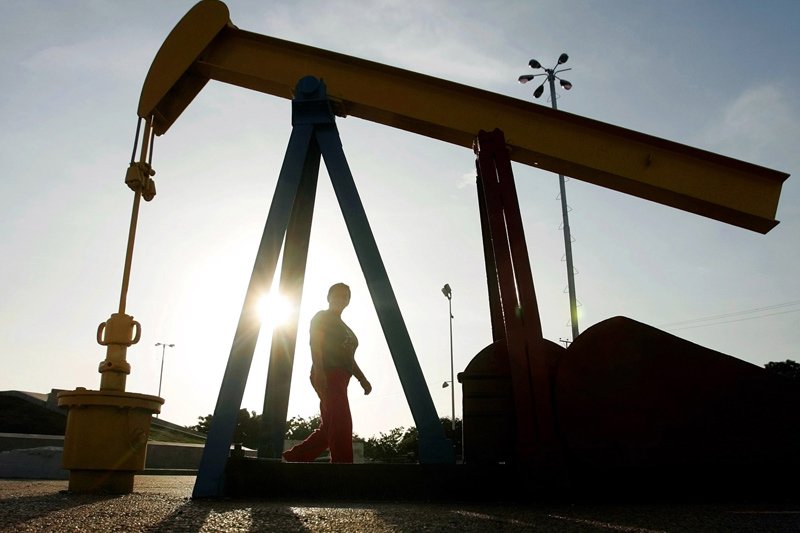
The bigger second-order issue is fuel exposure during a rate case window. With a large share of generation still linked to petroleum, a sustained oil move translates into a lagged political problem: higher customer bills become an argument against approving a faster reset, which can trap the company between inflationary input costs and delayed regulatory relief. In other words, an oil spike is not just a margin issue here; it is a regulatory overhang that may reduce the probability of a favorable outcome on both rebasing and liability-cap normalization.
The market likely still underestimates how long litigation de-risking can coexist with equity underperformance. Settlement progress removes tail risk, but it does not restore earnings power unless management can show a credible path to funding the 2026 capital program without diluting returns. The most important signal Friday is not the headline EPS number, but whether management can quantify a stable bridge from crisis-era volatility to a sustainable 2027–2028 earnings base.
Consensus may be too focused on near-term downside and not enough on the setup for a tactical squeeze if the print is clean and guidance tightens. Because the stock already prices in skepticism, a credible beat-plus-affirmation could force short covering, but the move is likely to fade unless accompanied by concrete regulatory milestones. The risk/reward is asymmetric only for a short-duration trade; on a multi-quarter horizon, the stock still looks like a “show me” story.
AI-powered research, real-time alerts, and portfolio analytics for institutional investors.
Request DemoOverall Sentiment
mildly negative
Sentiment Score
-0.28
Ticker Sentiment
