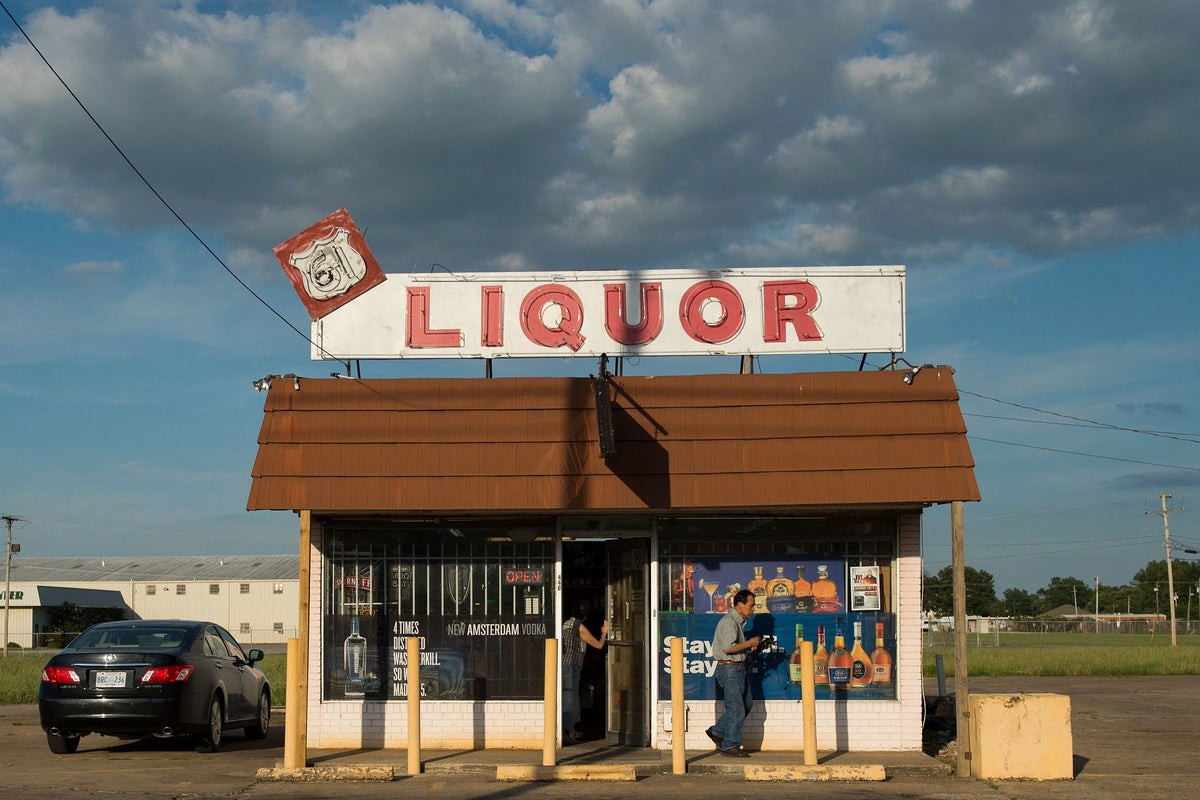
Mississippi’s ABC warehouse still has a backlog of 172,176 unshipped liquor cases, down from a peak of 220,027, but retailers and bars remain disrupted after a warehouse software rollout impaired loading capacity. Four lawsuits are pending against Ruan Transport, the Iowa company hired to run the warehouse, and one plaintiff has reportedly dropped its case, possibly hinting at settlement. The shortage is hurting liquor stores, restaurants and bars statewide, while the state says conditions are improving and the backlog may not be fully resolved until May.
This is less a one-off operational hiccup than a localized collapse in distribution reliability that can persist well beyond the headline backlog. The key second-order effect is working-capital stress on small-format retailers and on-premise operators: when inventory becomes unpredictable, they overorder, hold more cash in low-margin stock, and lose sales to adjacent states or substitute categories, creating a spiral that can outlast the warehouse fix.
The litigation stack matters because it raises the probability of a remedial settlement or state intervention, but not necessarily a fast normalization. A software/conveyor mismatch in a control-state bottleneck is the kind of failure that typically improves in bursts, then stalls as edge cases appear; that argues for a months-long recovery path, not a clean one-quarter snapback. The biggest near-term winner is any channel that can redirect demand away from Mississippi-premium alcohol into other discretionary spends, while the biggest loser is the local hospitality ecosystem with thin cash buffers.
The contrarian angle is that the market may be underpricing the durability of demand, not just the supply failure. Consumers don’t disappear; they substitute into grocery, convenience, cross-border purchases, or simply defer but eventually re-spend once shelves normalize. That means the real trade is not on alcohol demand destruction, but on which firms absorb the temporary revenue leakage and which capture the normalization rebound if/when fill rates recover into late spring or early summer.
AI-powered research, real-time alerts, and portfolio analytics for institutional investors.
Overall Sentiment
strongly negative
Sentiment Score
-0.55
