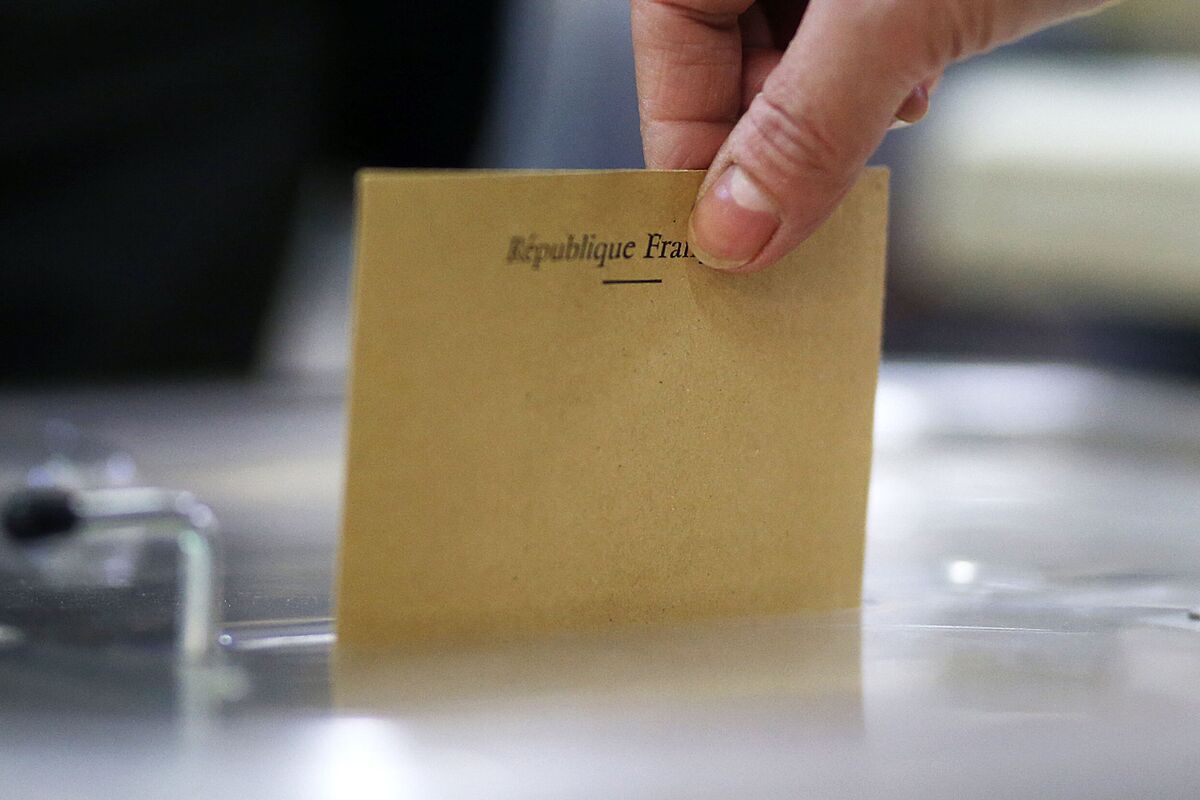
France will hold the first round of its presidential election on April 18, 2027, with a potential run-off on May 2 if no candidate wins a majority. The timing was outlined by a French official, with the formal announcement expected after a weekly cabinet meeting later Wednesday. The update is procedural but may increase near-term political uncertainty around France’s policy direction.
This is not a near-term trading catalyst; the market will treat the calendar as noise until polling, coalition math, and fiscal platforms are visible. For now, the main effect is a modest reduction in uncertainty premium for French risk assets, which argues against chasing any political hedge this week.
The first assets to reprice, if the campaign becomes contentious, will be domestically exposed French banks, utilities, retailers, and small caps through sovereign spread and regulatory channels rather than direct election beta. A wider OAT-Bund spread would hit bank funding conditions and multiples before it shows up in macro data, while global earners with French listings should be comparatively insulated. The second-order risk is that political headlines create a valuation gap between CAC heavyweights with international revenue and the domestic cyclicals that depend on local credit and consumer demand.
Contrarian view: the consensus tends to over-allocate attention to French politics too early. With a long runway, the more important drivers over the next 1-3 months are ECB rates, growth, and sovereign spread behavior, not the election calendar itself. The thesis would only become actionable if spreads start to trend wider into late 2026, or if a credible anti-fiscal candidate starts leading polls; absent that, the prudent stance is watchlist, not position.
AI-powered research, real-time alerts, and portfolio analytics for institutional investors.
Request DemoOverall Sentiment
neutral
Sentiment Score
0.00
