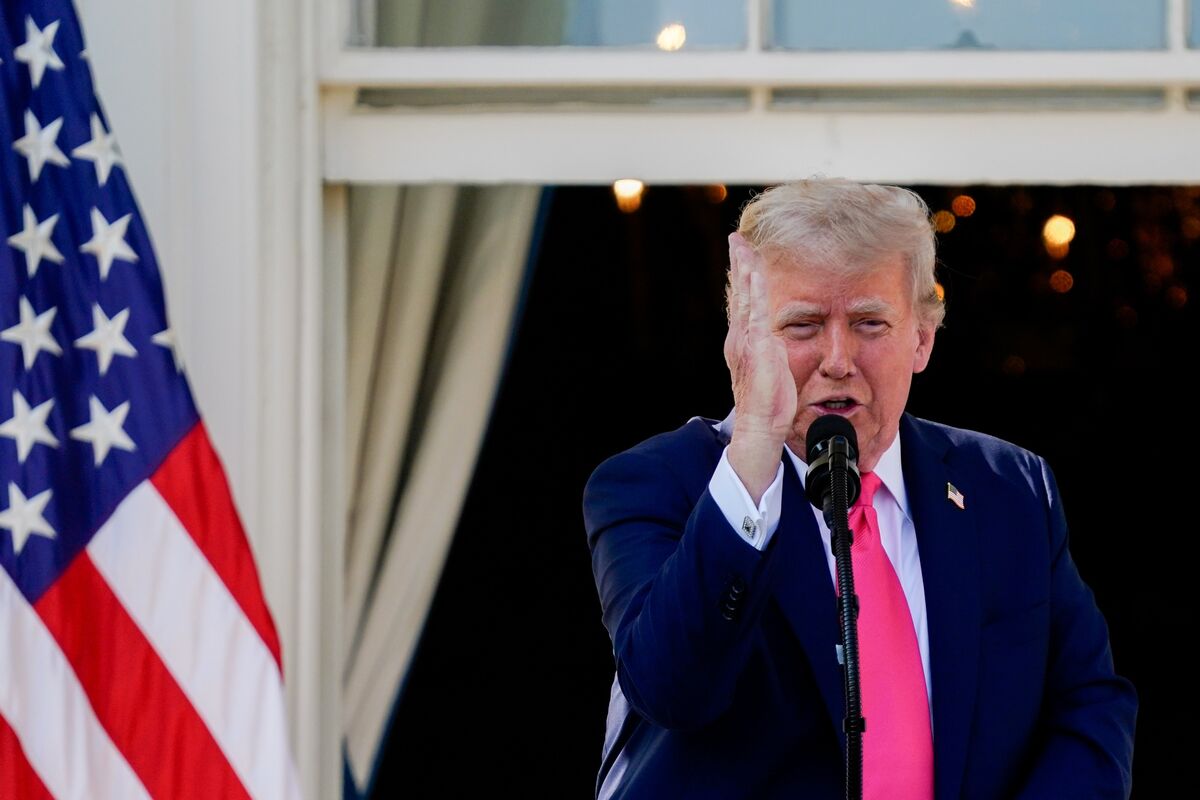
President Trump has threatened to impose higher tariffs on imports from Japan and South Korea. This move indicates a potential escalation of trade tensions, which could significantly impact global supply chains and the economies of these key Asian trading partners.
Former President Trump's threat to impose higher tariffs on Japan and South Korea introduces significant geopolitical and economic uncertainty, signaling a potential return to the aggressive trade policies of his previous administration. This development, registering a strongly negative sentiment (-0.7) and a high market impact score (0.7), directly targets two critical U.S. allies and integral nodes in global supply chains, particularly in the automotive and technology sectors. The rhetoric, framed within the context of domestic politics and trade policy, raises the risk of renewed trade disputes that could disrupt established commercial flows, increase input costs for U.S. manufacturers, and negatively impact the economies of both Asian nations. For investors, this threat elevates macroeconomic risk and necessitates a re-evaluation of portfolio exposure to sectors and companies with significant operational or revenue ties to Japan and South Korea.
AI-powered research, real-time alerts, and portfolio analytics for institutional investors.
Request DemoOverall Sentiment
strongly negative
Sentiment Score
-0.70
