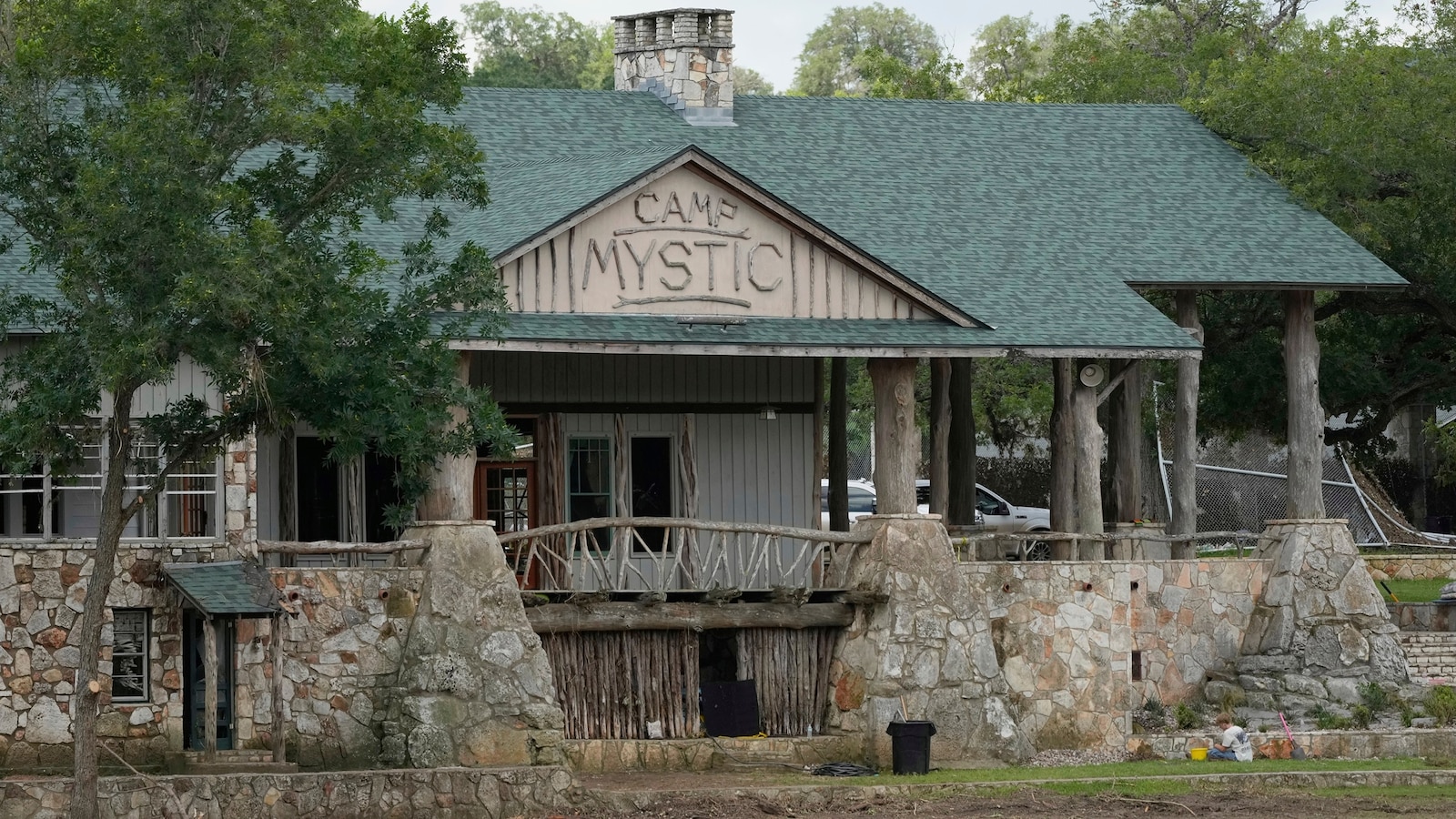
Camp Mystic filed for Chapter 11 bankruptcy after a July 2025 flood at its Guadalupe River camp killed 27 people, including 25 girls and two teen counselors. The filing cites more than $10 million in debt, while families, state officials, and investigators continue pursuing legal and criminal scrutiny over the camp's flood preparedness and reopening plans. The case adds a significant litigation and reputational overhang, but the broader market impact is likely limited.
This is not a direct market event, but it is a meaningful escalation in litigation overhang for the broader travel/leisure and private camp/childcare ecosystem. The bankruptcy filing is a classic liability-transfer maneuver: it likely pauses collection pressure, but it does not eliminate discovery, criminal exposure, or reputational damage, which means the real economic pain can persist for 12-24 months even if cash burn is stabilized in the near term.
The second-order impact is on insurance pricing and availability for youth camps, outdoor recreation, and small hospitality operators in flood-prone regions. Expect underwriters to tighten exclusions, raise deductibles, and demand higher evidence of evacuation protocols and infrastructure hardening; that should flow through to higher operating costs and lower enrollment capacity for regional camps, RV parks, and small resorts in the Texas Hill Country and similar geographies.
The most interesting contrarian angle is that bankruptcy may create a cleaner settlement path rather than a long, open-ended litigation process. If the court channels claims into a finite pool, near-term headline risk could compress faster than the public expects, especially if a state report narrows fault attribution. That said, criminal investigation risk is asymmetric and could re-ignite the story on any adverse findings, so the left-tail remains live for months.
From a market perspective, this is a weakly negative but not highly scalable shock: the impact is reputational and regulatory rather than demand-destructive across the broader sector. The better trade is around insurance and liability sensitivity than around pure travel demand, because the incident may catalyze a repricing of catastrophe and general liability across small leisure operators before any broader consumer behavior changes.
AI-powered research, real-time alerts, and portfolio analytics for institutional investors.
Request DemoOverall Sentiment
extremely negative
Sentiment Score
-0.90
