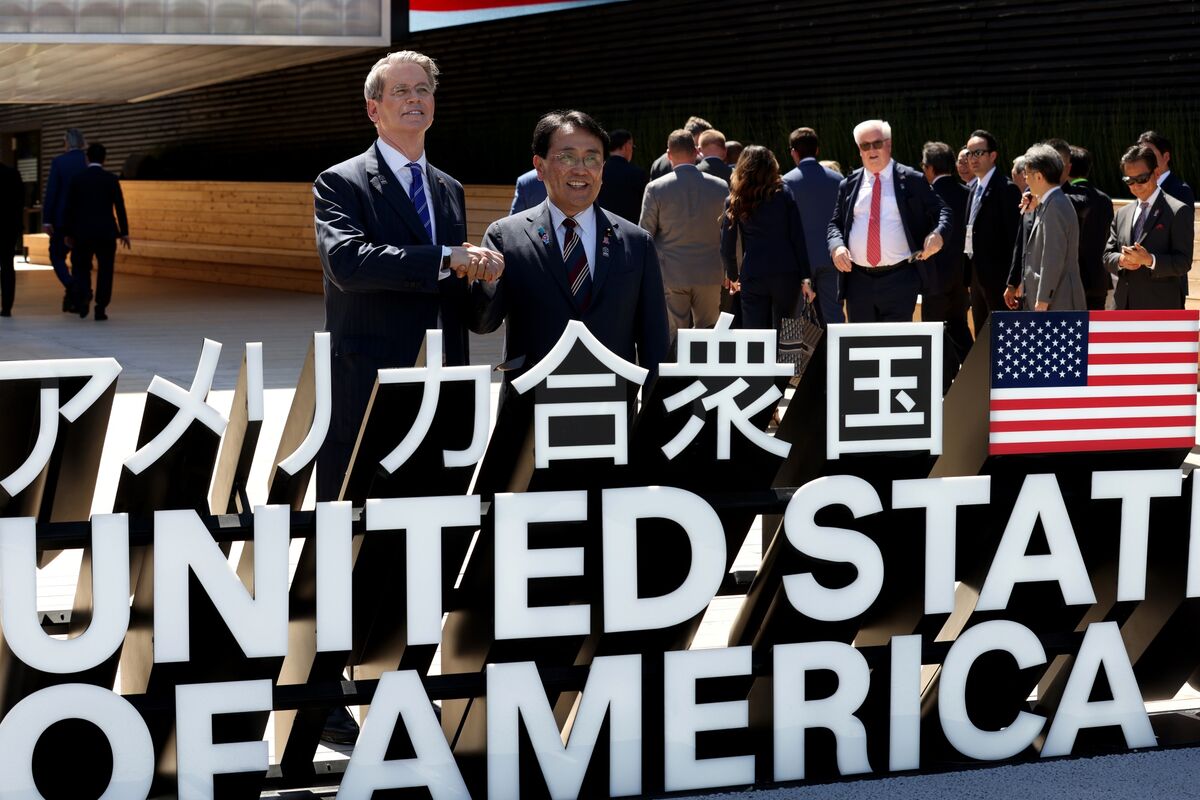
The US and Japan have reached a trade agreement, contingent on Japan establishing a $550 billion fund for US investment, though crucial details regarding the fund's operation remain obscure. This lack of clarity raises questions about the deal's viability, particularly as existing tariffs of 15% on Japanese cars and other goods could escalate to 25% if the US is not satisfied with the implementation, as warned by Treasury Secretary Scott Bessent.
A recent US-Japan trade agreement is fraught with significant uncertainty, undermining its potential benefits. The deal's viability hinges on a newly pledged $550 billion Japanese fund for US investment, yet critical details regarding its structure, funding, and timeline remain entirely obscure. This lack of clarity creates a material risk for sectors exposed to bilateral trade, particularly given the concurrent imposition of 15% US tariffs on Japanese cars and other goods. The situation is further destabilized by a warning from Treasury Secretary Scott Bessent, who stated the US will monitor implementation and could escalate tariffs to 25% if dissatisfied. The absence of a start date or other basic parameters for the agreement amplifies market ambiguity, suggesting the deal is more of a conditional framework than a finalized pact.
AI-powered research, real-time alerts, and portfolio analytics for institutional investors.
Request DemoOverall Sentiment
moderately negative
Sentiment Score
-0.50
