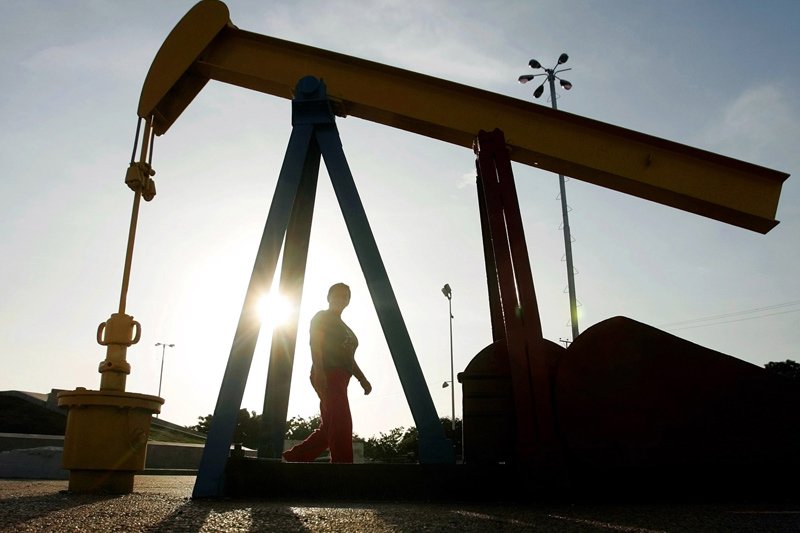
STOXX 600 was 596 points, up 0.1% after falling nearly 6% from its February record as Middle East tensions persist. Commerzbank shares jumped 3.5% on UniCredit's bid for a 30% stake while UniCredit slipped 0.5%; defence stocks rose ~1% and Shell and BP gained 1% and 2% respectively as oil remained above $100/barrel. Markets are watching central bank meetings in the US, UK, Europe and Australia this week, with policymakers widely expected to pause further rate cuts amid the conflict-driven risk to energy supply through the Strait of Hormuz.
Integrated energy majors with large trading desks and LNG/VLCC asset optionality are positioned to monetize episodic supply dislocations via basis capture and time-charter arbitrage; a sustained volatility regime typically adds high-single-digit to low-double-digit percent upside to quarterly trading and shipping P&L lines within 1–3 quarters. European defense OEMs and naval/support-service contractors will see near-term order visibility improve, but delivery lead times and tier-2 supplier constraints (electronics, specialty steel) create a 6–18 month lag before revenue converts to sustained margin expansion.
Cross-border bank consolidation in Europe is likely to remain politically fraught, pushing strategic buyers to structure deals as minority/strategic stakes rather than hostile takeovers — that favors large banks with stable deposit franchises and low-cost wholesale funding as liquidity consolidators. On a 3–12 month horizon, expect deposit reallocation into systemically important banks and temporary NIM tailwinds for lenders with large variable-rate loan books if policy rates stay elevated.
Tail risks concentrate around chokepoints and insurance costs: a short, sharp closure scenario would translate into immediate freight-rate and insurance-premium jumps that act as a rolling tax on global trade for 4–12 weeks; a longer conflict would shift capital expenditure toward defense and energy security for years. The consensus is pricing a geopolitical premium into energy and defense equities — that makes selling short-dated premium and owning direct-cycle optionality (spreaded calls, buy-writes) a more efficient exposure than outright long equities for tactical windows.
AI-powered research, real-time alerts, and portfolio analytics for institutional investors.
Overall Sentiment
mixed
Sentiment Score
0.00
Ticker Sentiment
