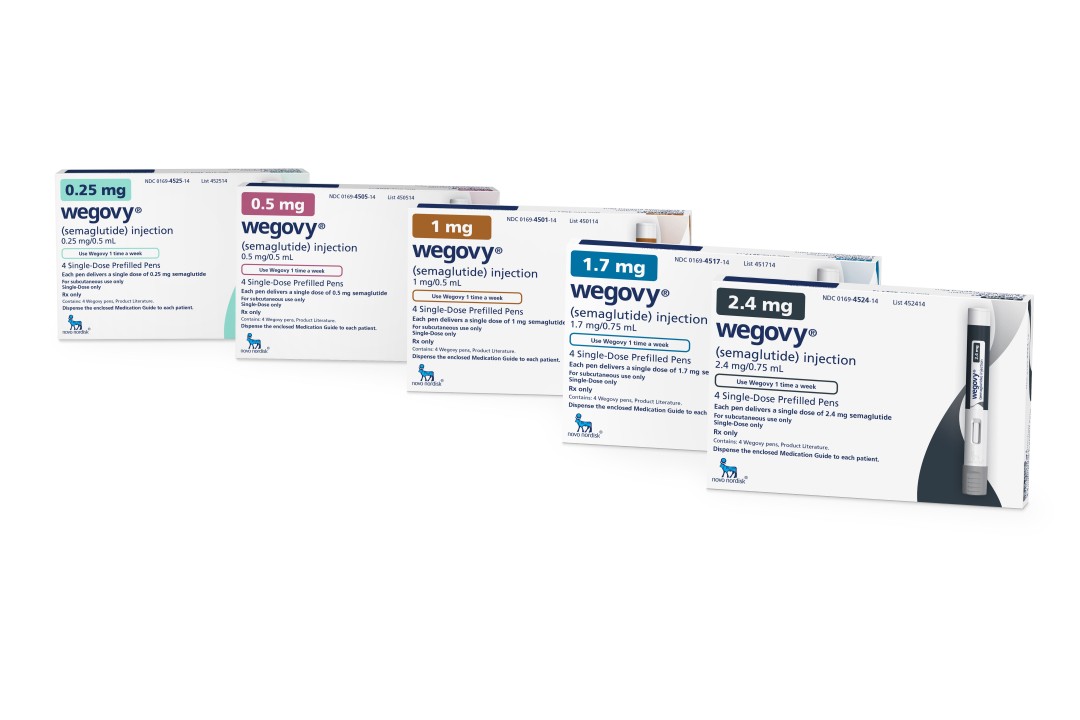
FDA approved a higher-dose Wegovy HD 7.2 mg weekly shot (previous top dose 2.4 mg); US rollout at pharmacies in April after a 54-day accelerated review. In the pivotal study, the 7.2 mg dose produced ~19% body-weight loss (~47 lb) versus ~16% (~39 lb) with 2.4 mg over ~17 months; common side effects (nausea, vomiting, constipation) occurred in >70% on 7.2 mg vs >60% on 2.4 mg, and neuropathic skin sensations in ~23% vs 6%; serious adverse events were ~7% (7.2 mg) vs ~11% (2.4 mg). Price TBD; European approval came in February, so this should boost Novo Nordisk’s obesity franchise but carries meaningful tolerability risks that could affect uptake.
The regulatory green light accelerates a shift from single-dose commoditization toward product-line segmentation; Novo now has more levers to extract price and tailor therapy, but payer negotiations and utilization management will determine how much of that theoretical pricing power converts to realized revenue over the next 6-18 months. Real-world tolerance and discontinuation patterns will materially shape the adoption curve — a modest increase in discontinuation rates (single-digit percentage points) would compress lifetime patient value by a similar magnitude and slow refill cadence, impacting revenue growth more than a static launch number.
Manufacturing and supply chain are the overlooked bottlenecks: fill/finish capacity, pen/delivery device SKUs, and API scale-up all carry 3–12 month lead times and create near-term scarcity premia that favor CDMOs and incumbents with spare biologics capacity. That dynamic can create asymmetric upside for contract manufacturers and distributors while simultaneously capping the vendor’s top-line if production cannot meet demand or if the company intentionally throttles supply to preserve inventory for higher-margin channels.
Regulatory and litigation second-order risks are non-trivial. Elevated post-market adverse event signals or unexpected real-world safety patterns will invite label revisions, more restrictive coverage policies, and slower primary-care uptake — any of which could reverse bullish sentiment within 3–9 months. The absence of intermediate titration options opens a clinical niche for competitors and compounding pharmacies to capture patients who need smaller step-ups, preserving an entry point for rivals over the medium term.
For the market reaction, expect an initial positive rerating of the incumbent on the view of durable pricing and share gains, followed by a volatility window tied to first pharmacy-level shipments and the next 3-month real-world tolerability readouts. Monitor PBM formulary decisions, chain pharmacy stocking cadence, CDMO utilization reports, and early discontinuation metrics as the primary catalysts that will either validate or reverse the current mild positive bias.
AI-powered research, real-time alerts, and portfolio analytics for institutional investors.
Request DemoOverall Sentiment
mildly positive
Sentiment Score
0.25
Ticker Sentiment
