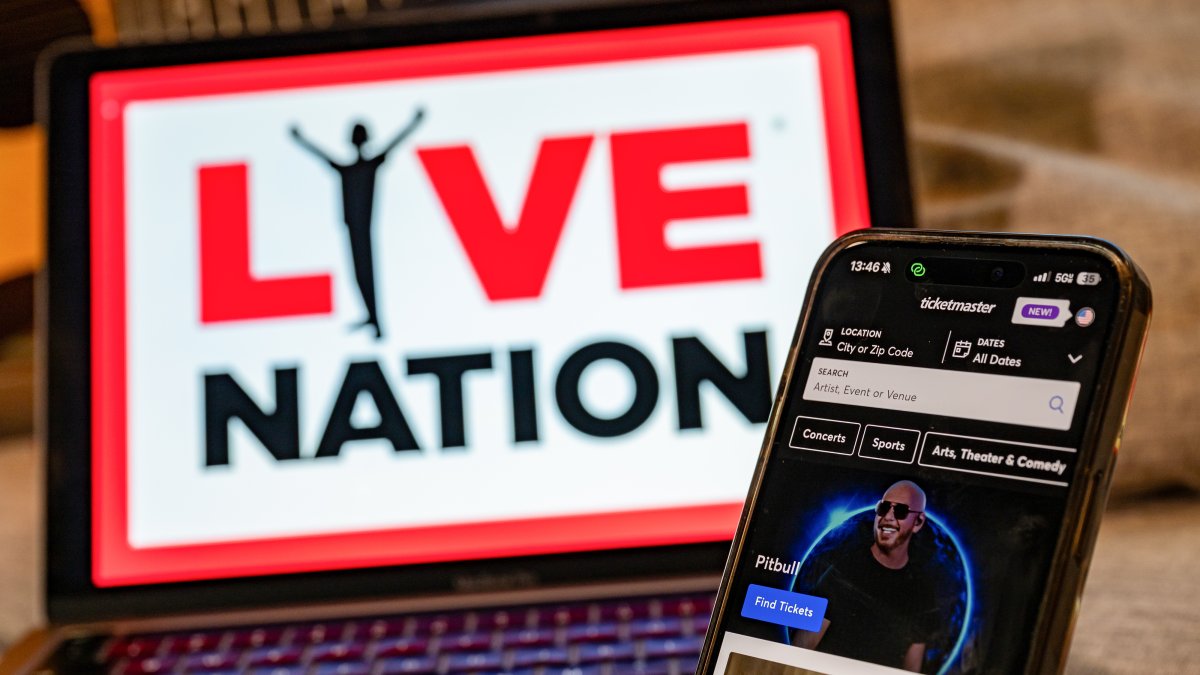
D.C. Attorney General announced a nearly $10 million settlement with Live Nation, including $8.9 million in refunds to Ticketmaster customers over hidden mandatory fees. The settlement also requires upfront disclosure of full ticket prices and fee details, which may improve transparency for consumers. The case is separate from Live Nation’s antitrust trial, underscoring ongoing legal and regulatory pressure on the company.
This is a reputational and margin-reset event for ticketing, not an earnings shock. The immediate economic hit to Live Nation is small relative to its scale, but the more important effect is that regulators now have a playbook: if one state proves it can force pre-disclosure and refunds, other AGs can copy-paste the enforcement theory with minimal legal cost. That raises the expected compliance burden across the entire online travel/event checkout stack, especially for businesses that monetize through ancillary fees rather than headline prices.
The second-order winner is not necessarily the consumer; it is the venues, artists, and alternative ticketing channels that can market “all-in pricing” as a trust wedge. If Ticketmaster is forced to normalize fee transparency, it reduces a key behavioral edge from conversion friction and urgency tactics, which could modestly slow take-rate expansion over time. Longer term, this also strengthens the hand of antitrust plaintiffs and legislators by creating a paper trail that the market structure depends on hidden pricing rather than pure service value.
The near-term catalyst path is legal, not operational: watch for follow-on AG actions and any federal or class-action spillover over the next 1-3 quarters. The tail risk for Live Nation is not the refund amount, but a broader injunction or consent-decree regime that constrains checkout design and fee packaging across jurisdictions. Consensus may be underpricing how quickly consumer-protection remedies can morph into a de facto industry standard when the defendant already sits under antitrust scrutiny.
Contrarian view: the settlement may actually reduce political pressure on Live Nation by giving regulators a visible win without forcing a breakup or structural remedy. If so, the stock reaction to litigation headlines could fade, because the market may eventually treat disclosure reform as a manageable cost of doing business. The key question is whether this becomes an isolated consumer-restoration case or a template for cumulative margin pressure across ticketing and live entertainment monetization.
AI-powered research, real-time alerts, and portfolio analytics for institutional investors.
Request TrialOverall Sentiment
mildly positive
Sentiment Score
0.15
