







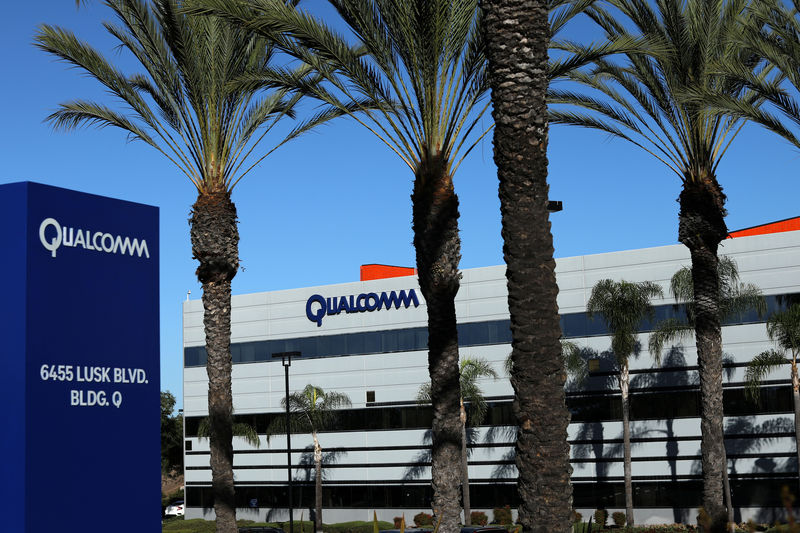
Qualcomm fell 10.0% in pre-open trading after Nvidia unveiled the RTX Spark superchip at Computex 2026, targeting Windows on Arm PCs and directly challenging Snapdragon X Elite. The launch, backed by Microsoft and major OEMs including Dell, HP, ASUS, Lenovo, and MSI, intensifies competitive pressure on Qualcomm’s premium PC growth narrative. The move adds to existing handset share loss concerns as Apple shifts to in-house modems, driving a sharp negative repricing despite broader markets being slightly higher.
This is less a one-day QCOM event than a re-rating of the entire Windows Arm roadmap. The first-order loser is Qualcomm, but the second-order damage is to the category’s perceived moat: if Nvidia can combine OEM distribution, software credibility, and AI adjacency, then the valuation premium that was built on Qualcomm being the only credible Windows-on-Arm incumbent should compress across the group. The likely spillover is slower multiple expansion for any company selling “AI PC” optionality until there is proof of sustained SKU demand and developer support.
The biggest near-term beneficiary is Microsoft, not Nvidia. A Windows-native agentic AI narrative strengthens the PC refresh thesis and gives Microsoft a cleaner reason to pull Copilot+ into premium hardware cycles, while OEMs like Dell and HP get a higher-end mix opportunity without having to bet on a single silicon supplier. Intel and AMD are also less threatened than the tape suggests: if Nvidia’s entry validates the Arm premium segment, it can simultaneously widen the market and force a more aggressive response in x86, which historically has been where enterprise procurement defaults when compatibility matters.
The key risk for shorts is timing. This is a product-launch headline that can remain purely narrative for 1-2 quarters unless channel checks show design wins converting into shipments and app support improving; if early demand is mostly halo, QCOM can bounce hard on valuation support. But if Nvidia’s OEM attach rate holds into holiday 2026 planning, the earnings-risk window for Qualcomm extends into the next several guide cycles because this is exactly when PC-roadmap credibility starts showing up in model assumptions.
Consensus is probably underestimating how much this hurts Qualcomm’s diversification multiple rather than its near-term EPS. The market may have already discounted handset pressure, but had still assigned some value to Windows PCs as the cleanest path to re-accelerating growth; that optionality is now more vulnerable to a competitor with a much stronger ecosystem narrative. The move can be overdone tactically, but strategically it looks like the market is starting to price a lower terminal share for Qualcomm in premium client computing.
AI-powered research, real-time alerts, and portfolio analytics for institutional investors.
Request TrialOverall Sentiment
strongly negative
Sentiment Score
-0.62
Ticker Sentiment
