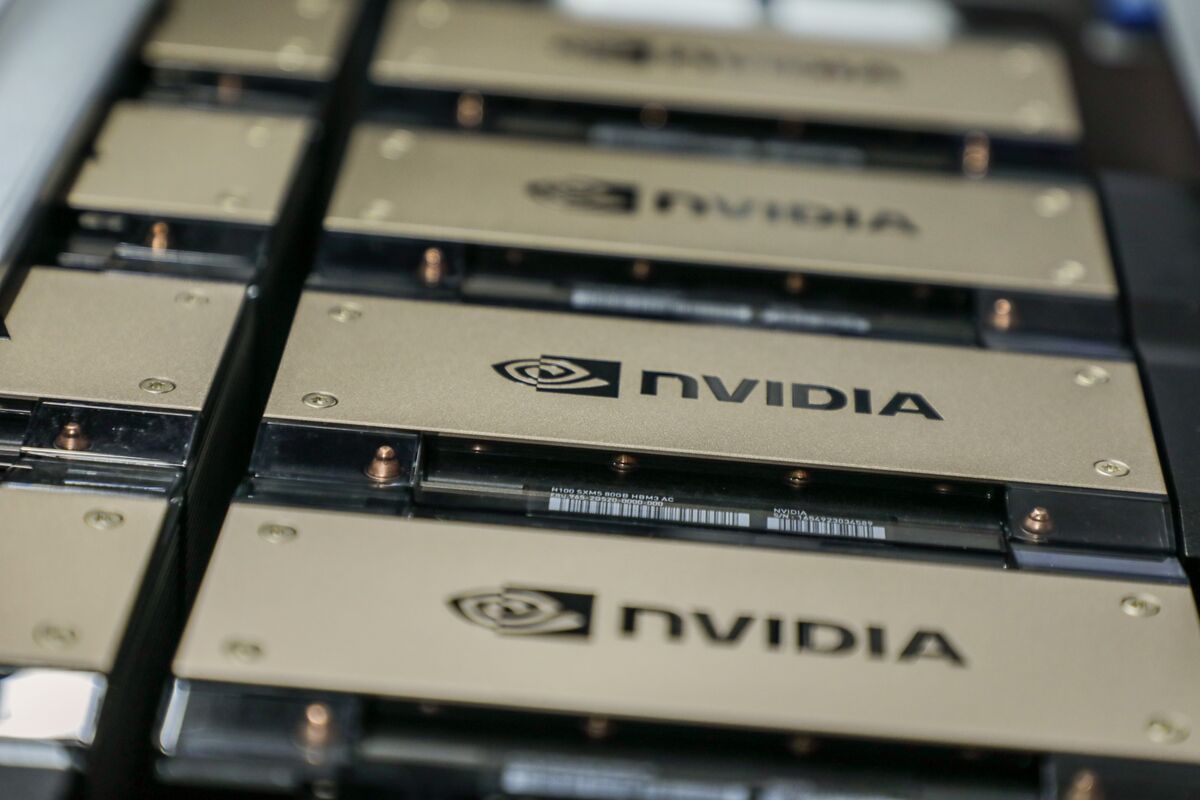
Chipmakers Nvidia and AMD will remit 15% of their revenue from Chinese AI chip sales to the US government to secure export licenses, an unprecedented arrangement that could unnerve both the American companies and Beijing. This unusual quid pro quo marks a significant development in export control policy, impacting revenue streams and geopolitical dynamics in the technology sector.
Nvidia (NVDA) and Advanced Micro Devices (AMD) have entered into an unprecedented arrangement with the US government, agreeing to remit 15% of their revenue from AI chip sales to China in order to secure export licenses. This policy introduces a direct and material cost, functioning as a government-imposed revenue share that will immediately compress gross margins on sales to this critical market. The nature of this "quid pro quo," as described by the Center for Security and Emerging Technology, marks a significant escalation in US export control strategy, moving beyond simple prohibitions to a model that directly captures revenue. This development introduces a new layer of regulatory and geopolitical uncertainty, as it is likely to be met with consternation by both the affected companies and Beijing, potentially risking retaliatory measures and further destabilizing the tech supply chain.
AI-powered research, real-time alerts, and portfolio analytics for institutional investors.
Request DemoOverall Sentiment
moderately negative
Sentiment Score
-0.65
Ticker Sentiment
