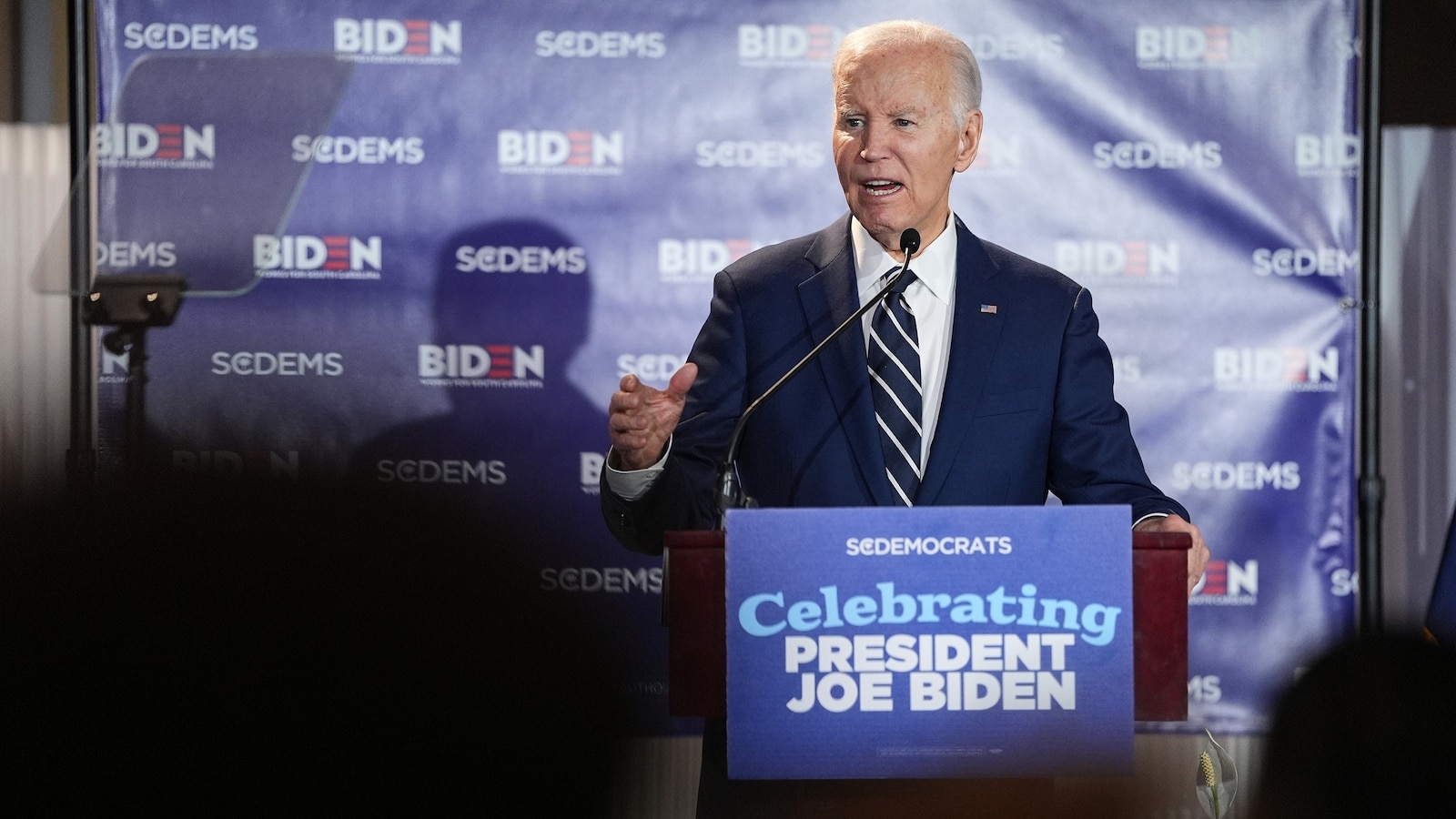
Former President Joe Biden sued the Justice Department to block release of audio recordings and transcripts from memoir interviews tied to the special counsel probe over classified materials. The DOJ has indicated it may release the records to the Heritage Foundation and House Judiciary Committee on June 15 unless a court order stops it. The case centers on privacy and disclosure rules rather than any new findings on the underlying probe, so direct market impact appears limited.
This is less about the underlying criminal case and more about precedent-setting disclosure risk. If the government can repurpose materials collected in a sensitive investigation for broader political distribution, that raises the expected value of future compliance by witnesses, aides, and private individuals who assume investigative materials stay ring-fenced. The second-order effect is a chilling one: more aggressive privilege fights, slower cooperation in white-collar probes, and higher legal overhead for senior executives and advisers when personal records can later become public leverage. The immediate market read is not broad beta, but a modest tailwind for the ecosystem around privacy, records management, and legal process controls. Firms with exposure to government, regulated industries, or politically sensitive data increasingly have an incentive to harden retention, redaction, and chain-of-custody systems. That creates a small but durable spend impulse for compliance software and document governance vendors, especially if this dispute becomes a template cited in future FOIA or oversight battles. Catalyst timing is front-loaded: the key event window is days, not months, because a court order or negotiated stay determines whether the material is released. If release proceeds, expect a short-lived spike in media volatility and renewed scrutiny around legacy Biden-era process decisions; if blocked, the issue likely fades quickly but leaves behind a stronger legal shield narrative for public figures. The bigger risk is not reputational damage alone, but that the case normalizes cross-use of investigative material, which would embolden future requests and widen the scope of what politicians and agencies fight to keep sealed. Consensus is probably underestimating how much this strengthens the broader privacy/regulatory trade. The event is not a direct election trade, but it is a signal that legal process around sensitive data is becoming more contested and more expensive. That favors companies selling auditability, retention, and e-discovery infrastructure, while hurting any business model that depends on lax data governance or broad discretionary disclosure control.
AI-powered research, real-time alerts, and portfolio analytics for institutional investors.
Request DemoOverall Sentiment
neutral
Sentiment Score
-0.12
