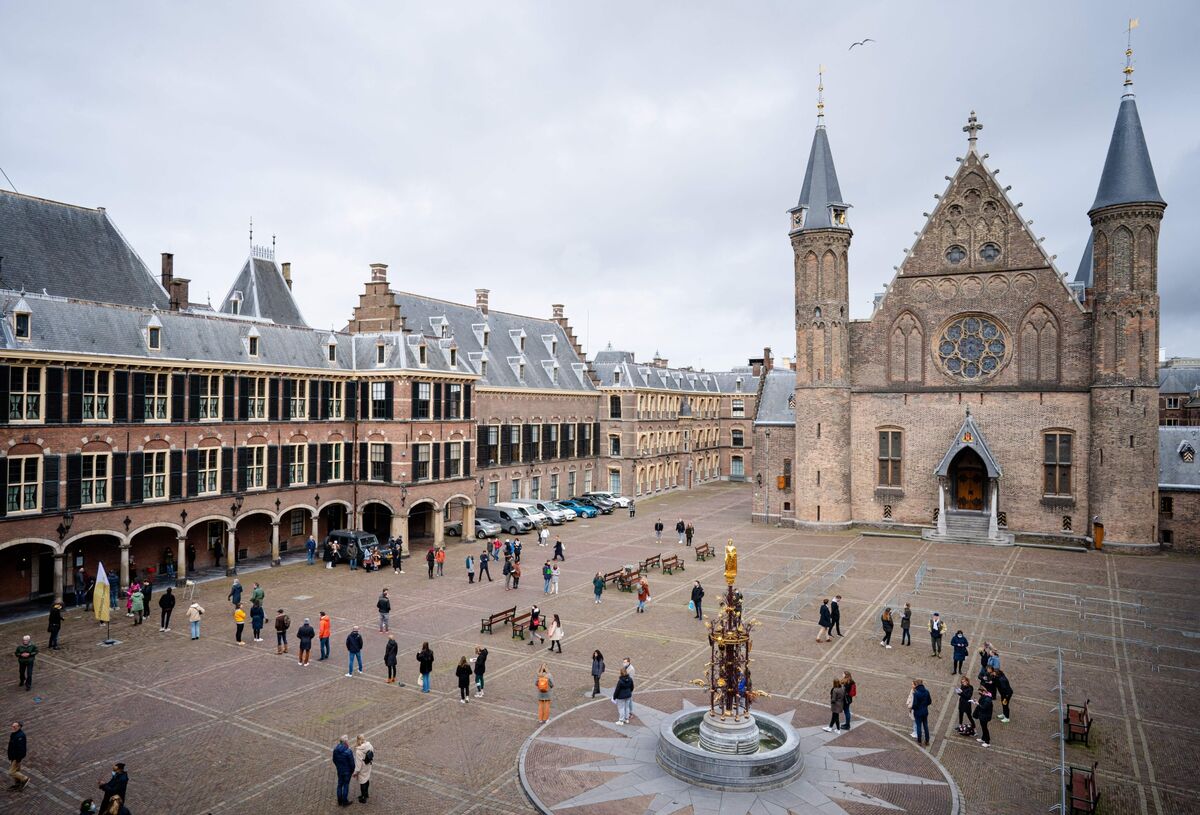
The Dutch caretaker cabinet has agreed to raise defense and security spending to 5% of GDP by 2032, aligning with NATO's proposed target as the Netherlands prepares to host a NATO summit later this month. This commitment comes amid pressure from figures like former President Trump, who has advocated for increased defense spending among NATO allies and previously threatened to withdraw the U.S. from the alliance if targets were not met.
The Dutch caretaker cabinet, led by Prime Minister Dick Schoof, has approved a significant increase in defense and security spending, aiming to reach 5% of gross domestic product by 2032. This decision aligns with what the article terms a 'proposed' NATO target and precedes a NATO summit scheduled for June 24-25 in The Hague, which former U.S. President Donald Trump, a vocal advocate for higher allied defense expenditures, is expected to attend. This commitment surfaces despite the cabinet having recently lost its parliamentary majority, introducing a degree of uncertainty regarding the long-term execution of this ambitious fiscal shift. The move signals a substantial re-prioritization of national resources towards defense, reflecting broader geopolitical pressures and ongoing discussions within the NATO alliance about burden-sharing.
AI-powered research, real-time alerts, and portfolio analytics for institutional investors.
Request DemoOverall Sentiment
neutral
Sentiment Score
0.00
