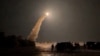
Explosive attacks in Lviv killed a police officer and wounded at least 25 others after two blasts at a store, which Ukrainian authorities described as a terrorist act and said involved homemade explosive devices; a suspect has been detained and investigations are ongoing. Separately, Ukraine's air force reported Russia launched 50 missiles and 297 drones overnight, striking seven regions, damaging the energy sector, rail infrastructure and prompting emergency power outages that exacerbate disruption amid cold weather. The strikes, which included civilian casualties in the Kyiv region, raise operational risk to Ukrainian energy and transport infrastructure and sustain geopolitical tail risks that could support elevated regional risk premia and energy-price volatility.
Market structure: immediate winners are defense and security suppliers (aerospace primes and mid‑cap munitions, cybersecurity vendors) and commodity suppliers of energy (spot natural gas, diesel, electrical generation fuel). Direct losers: Ukrainian infrastructure, regional utilities, travel/transport operators and insurers facing underwriting losses; expect 5–20% near‑term revenue/availability shocks for regional rail/logistics nodes. Competitive dynamics favor large defense primes (LMT, RTX, NOC) for long lead, high‑margin contracts while smaller specialized suppliers can grab price concessions and inventory premiums for components (sensors, explosives) over 6–24 months.
Risk assessment: tail risks include rapid escalation (NATO direct involvement or major energy cutoff to EU) that would spike oil/gas +30–60% and force arms embargo/supply chain dislocations; cyberattacks on grids causing multi‑week outages remain material. Time horizons: days—heightened volatility (VIX +25–50%); weeks/months—localized energy shortages and order re‑allocations; 1–3 years—structural uplift to defense budgets (management guidance suggests +10–25%). Hidden dependencies: Chinese semiconductor supply for guided munitions and European winter demand; catalysts include US aid votes, sanctions, extreme cold snaps, or successful talks.
Trade implications: tilt portfolios toward 1–3% allocations to defense equities/ETFs (ITA, LMT) and 0.5–1% exposure to short‑dated natural gas calls (NYMEX NG) to capture supply shocks; hedge immediate dislocation with 0.5–1% allocation to 3‑12 month Treasuries (IEF/TBILL ladder). Relative trades: long defense vs short travel/JETS captures divergence; use call spreads to limit premium paid and buy puts as tail hedges for gap risk; expect holding periods 3–12 months with profit targets 15–30%.
Contrarian angles: consensus underprices commodity and component scarcity (small suppliers of explosives, batteries, RF components) relative to large primes; defense equities may be partially priced in—prefer mid‑cap specialized suppliers where revenue multiple re‑ratings of +20–40% are plausible. Reaction could be overdone in travel equities (sell‑off exaggerated) but underdone in energy/uranium where longer cycles and stock drawdowns imply outsized returns if escalation persists; primary unintended consequence is prolonged diversion of capital from green capex into defense, changing multi‑year sectoral cash flows.
AI-powered research, real-time alerts, and portfolio analytics for institutional investors.
Request DemoOverall Sentiment
moderately negative
Sentiment Score
-0.60
