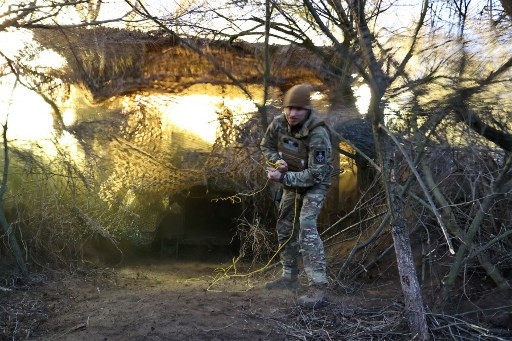
Ukraine said it struck a series of Russian military targets overnight on May 21-22, including air defense systems, command posts, ammunition depots, drone control points, and troop concentrations across occupied Ukraine and inside Russia. The report also says Ukrainian drones hit the Slavneft-YANOS oil refinery in Russia’s Yaroslavl region, an asset with annual capacity of around 15 million tons, marking a repeat attack after Tuesday’s strike. The news is geopolitically significant but appears incremental rather than a market-moving escalation.
The near-term market impact is less about the tactical battlefield outcome and more about the implied persistence of asymmetric disruption to Russian rear-area logistics. Repeated strikes on air defense, command nodes, drone control points, and fuel processing capacity force Russia to spend scarce interceptors and disperse assets, which raises operating friction without requiring large territorial gains. That is a slow-burn negative for Russian force readiness over weeks, but a more immediate positive for any asset class that benefits from higher geopolitical risk premia, especially European defense and select energy hedges.
The energy angle is the cleanest second-order effect: refinery disruption is far more relevant for product markets than crude, so the first-order response should be tighter diesel and gasoline cracks rather than a durable rally in Brent. If the Yaroslavl asset remains intermittently offline, the marginal impact shows up in Eastern Europe and the Black Sea product arbitrage, not necessarily headline crude benchmarks. That creates a narrower but potentially sharper trade in refined-product exposure versus upstream oil, especially if strikes continue at a cadence that prevents maintenance normalization.
The bigger medium-term risk is escalation of infrastructure warfare. If both sides increasingly target command, logistics, and fuel nodes, the market can move from a one-off risk-off impulse to a persistent embedded premium in European defense procurement, insurance, and freight routes over 1-3 months. The contrarian view is that these events often fade unless they translate into sustained throughput losses; absent a visible decline in Russian export volumes or a broader Ukraine front-line shock, broad equities may overdiscount the news while mispricing the more durable effect in diesel margins and defense order flow.
AI-powered research, real-time alerts, and portfolio analytics for institutional investors.
Request DemoOverall Sentiment
mildly negative
Sentiment Score
-0.20
