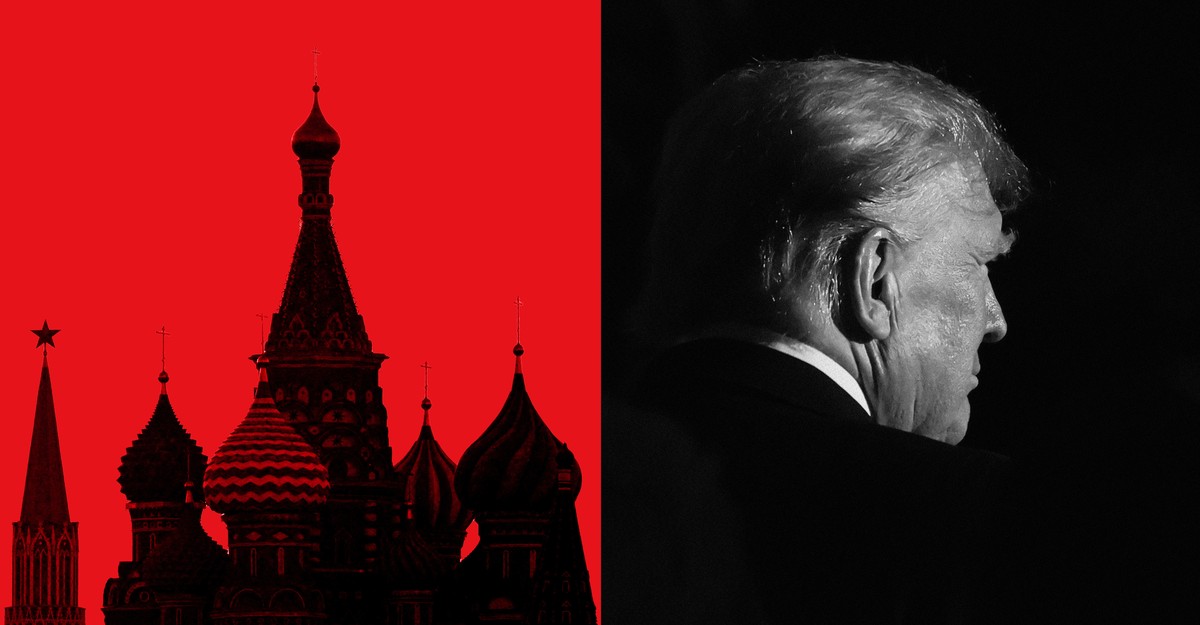
President Trump has authorized a substantial shipment of U.S. defensive weapons, including Patriot missile batteries, to Ukraine, financed by NATO allies, and threatened new tariffs on Russia if the conflict isn't resolved within 50 days. This policy shift stems from Trump's personal frustration with Putin's continued escalation, aiming to blunt Russia's momentum and reassure allies, though the move's personal motivation and domestic political opposition introduce uncertainty regarding sustained U.S. commitment.
A significant shift in U.S. policy towards the Russia-Ukraine conflict has occurred, driven not by a strategic realignment but by President Trump's personal frustration with Russian President Putin. The authorization to supply Ukraine with defensive weapons, including up to 17 Patriot missile batteries financed by NATO allies, and the threat of 100% tariffs on Russia if a ceasefire is not reached in 50 days, marks a notable hardening of the U.S. stance. However, White House sources indicate this change stems from Trump feeling personally insulted and made to look weak by Putin's repeated escalations, rather than a newfound commitment to Ukraine or transatlantic alliances. This personal motivation introduces considerable policy uncertainty. The measures are expected to blunt Russia's immediate military momentum but are unlikely to alter the war's overall trajectory, especially as the weapons will take months to arrive. Furthermore, Trump remains hesitant to back a tougher bipartisan sanctions bill, signaling a cautious approach to avoid potential energy price spikes or antagonizing key trade partners like China and India, which underscores the limits of this policy pivot.
AI-powered research, real-time alerts, and portfolio analytics for institutional investors.
Overall Sentiment
mixed
Sentiment Score
0.00
