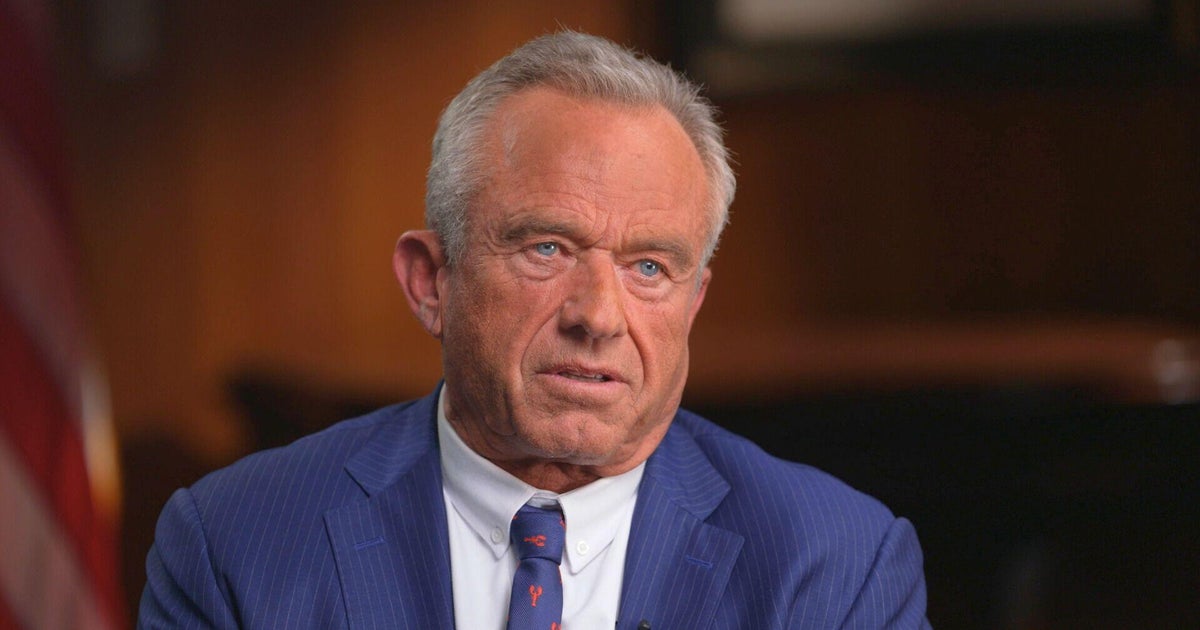
HHS Secretary Robert F. Kennedy Jr. has publicly challenged Dunkin' and Starbucks to provide safety data showing it's acceptable for teenagers to consume high-sugar drinks, citing an example of an iced coffee with 115 grams of sugar and noting federal guidance that recommends no more than 10 grams of added sugar per meal. The push forms part of a broader policy initiative targeting ultra-processed beverages and raises the prospect of future regulation or state-level actions, though experts say an outright federal ban is unlikely; Dunkin' meanwhile launched a zero-sugar energy drink and neither chain has publicly responded to the challenge. Public-health citations from the CDC linking sugary drinks to obesity, diabetes and other conditions amplify reputational and regulatory risk for major beverage retailers.
Market structure: Short-term winners are beverage and CPG companies with low-/no-sugar SKUs (PEP, KO, MNST) and water/RTD brands; losers are sugar-forward menu operators (SBUX) and local chains reliant on high‑sugar promotion. Pricing power shifts modestly toward firms that can reformulate quickly or push premium non‑sugar formats; market-share changes will be measured in single-digit percentage points over 6–24 months unless regulation accelerates. Supply/demand: sugar commodity exposure is minimal for large chains but reformulation increases demand for alternative sweeteners (stevia, erythritol) and contract suppliers, tightening those inputs by mid‑2026.
Risk assessment: Tail regulatory scenarios (national tax/ban on teen-size high-sugar beverages) are low probability (<10% over 2 years) but high impact (potential 5–15% EBITDA hit to chains reliant on sugary LTOs). Immediate noise (days/weeks) will drive sentiment; substantive risk unfolds in 3–12 months as states consider taxes/labeling. Hidden dependencies include franchise economics (franchisee pushback), syrup supplier contracts, and marketing spend reallocation; catalysts are HHS/FDA guidance, state ballot measures, and major adversarial litigation.
Trade implications: Tactical positions favor modest protection on SBUX while rotating into staples/energy-drink winners: e.g., 1–2% hedge short SBUX and 2–3% long PEP/MNST exposure over a 3–12 month horizon. Options: buy 3‑month SBUX 5% OTM puts (delta ~0.25) as low-cost insurance and consider selling 6–9 month covered calls on PEP to finance carry. Exit on regulatory passage (state bill committee approval) or on SBUX move >10%.
Contrarian angles: The consensus overstates immediate regulatory reach; federal action is unlikely quickly, so politically driven volatility may create buying opportunities in SBUX if fundamentals remain intact. Historical parallels (tobacco, trans fat) show corporations adapt via reformulation and labeling, preserving margins; a premature big short could be costly. Unintended consequence: consumers migrating to bottled/canned alternatives boosts KO/PEP/MNST—positioning here may be underpriced for 6–18 months.
AI-powered research, real-time alerts, and portfolio analytics for institutional investors.
Request TrialOverall Sentiment
mildly negative
Sentiment Score
-0.25
Ticker Sentiment
