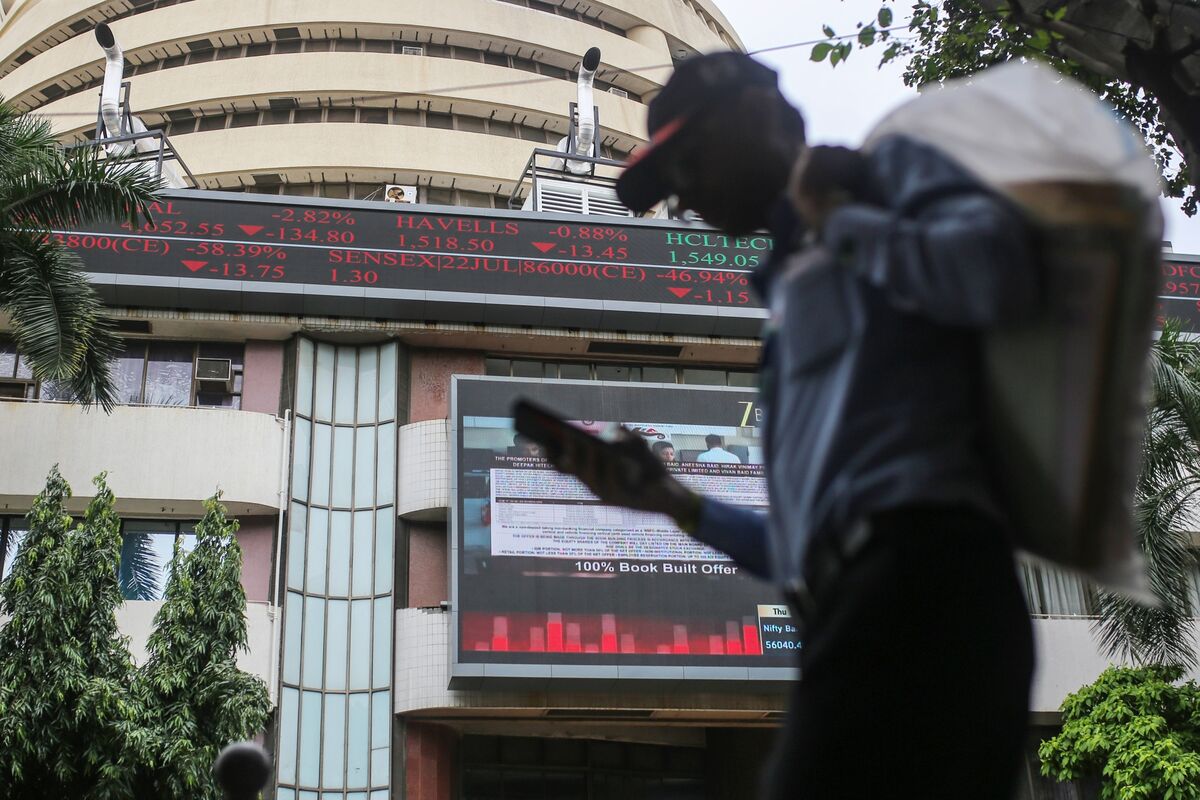
The initial public offering (IPO) boom for Indian shadow banks is reportedly faltering due to mounting credit stress within the sector, signaling potential headwinds for non-banking financial companies.
The initial public offering (IPO) market for Indian non-banking financial companies (NBFCs), or shadow banks, is showing clear signs of faltering, directly linked to mounting credit stress within the sector. This development signals a significant negative shift in investor sentiment, which had previously fueled an IPO boom. The underlying issue of credit stress points to a potential deterioration in the asset quality of these financial institutions, raising concerns about their profitability and balance sheet stability. Consequently, the cooling of the IPO pipeline indicates that capital raising may become more challenging for NBFCs, representing a material headwind for a sector crucial to credit provision in India's emerging market.
AI-powered research, real-time alerts, and portfolio analytics for institutional investors.
Request DemoOverall Sentiment
strongly negative
Sentiment Score
-0.60
Ticker Sentiment
