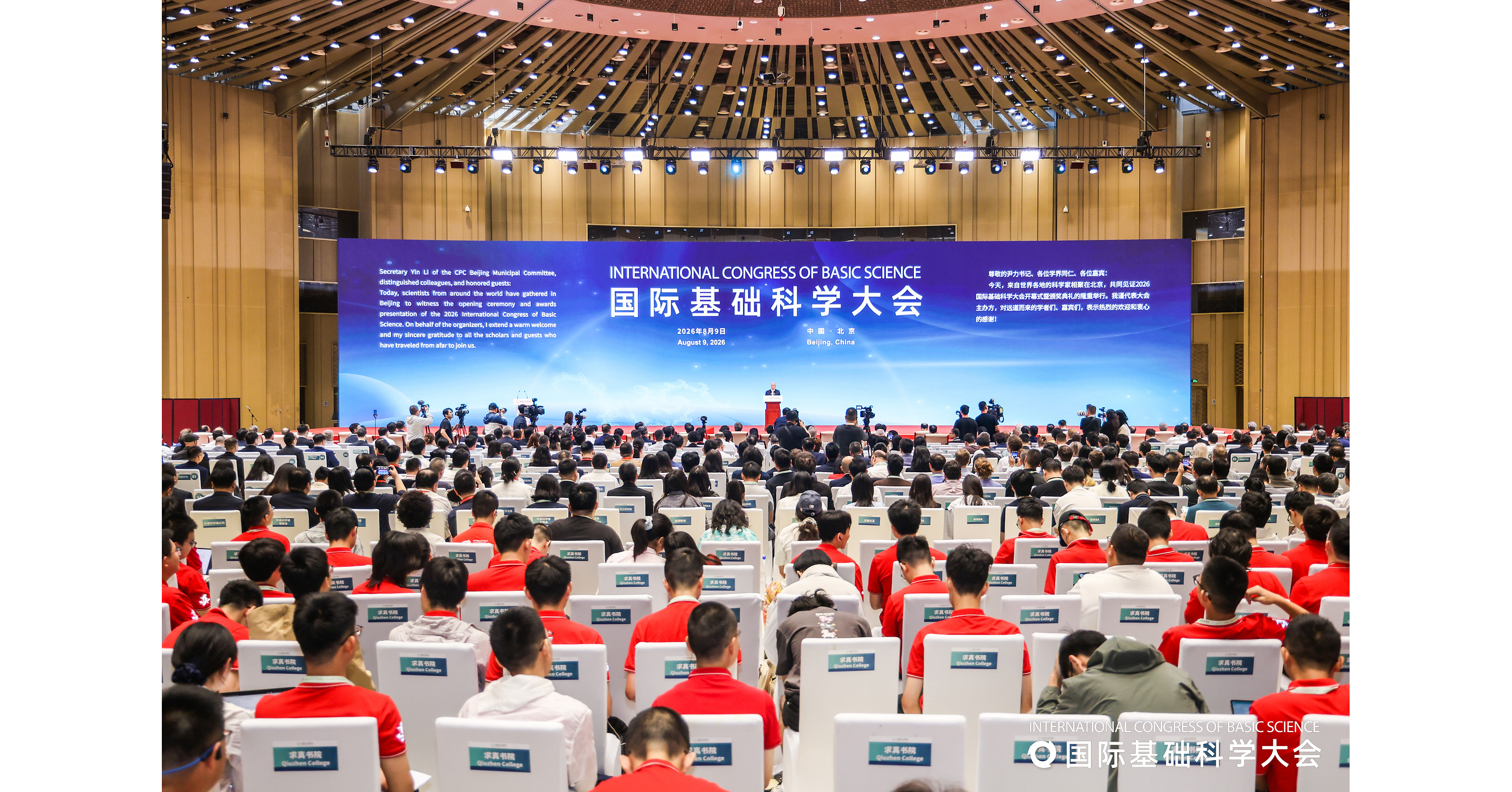
El Congreso Internacional de Ciencias Básicas (ICBS) 2026 se inauguró en Pekín con más de 1.000 participantes y un programa de dos semanas que incluye más de 500 sesiones. El evento destaca avances en razonamiento generativo a gran escala, visión por computadora, interacción humano-computadora e información cuántica, con un foro específico de ciencia básica e IA. Aunque es relevante para la innovación científica, no hay cifras financieras ni anuncios de impacto directo en mercados.
This reads as a signaling event, not a monetizable catalyst. The investable takeaway is that Beijing is keeping the AI and basic-research narrative warm, which marginally helps domestic beneficiaries tied to state-backed R&D, compute infrastructure, and talent pipelines, but there is no evidence here of incremental capex, procurement, or subsidy that would move near-term earnings.
The main second-order effect is competitive: a sustained emphasis on foundational science and AI theory favors vertically integrated Chinese platforms that can absorb talent and public-sector partnership, while doing little for consumer internet names with weaker exposure to hard tech monetization. In the U.S., this is mildly negative for the long-term moat of imported AI tools in China, but the effect is years, not weeks, unless it is followed by procurement or localization mandates.
The market should treat this as a watch item for Beijing’s policy cadence. If the forum is followed within 1-3 months by budgeted grants, university-to-industry pilots, or explicit compute allocation, then Chinese tech multiples could re-rate off depressed sentiment; absent that, the event is mostly narrative support and likely fades. The contrarian miss is that consensus often overestimates conference rhetoric and underestimates execution friction in China’s research-to-commercialization pipeline.
Risk is that this becomes a broader policy preamble: if Beijing couples the science push with export-substitution or AI localization measures, foreign chip/EDA/software vendors could face a slower China revenue base over 6-18 months. Until then, the better trade is to wait for a verifiable spending or procurement trigger rather than chase the headline.
AI-powered research, real-time alerts, and portfolio analytics for institutional investors.
Request DemoOverall Sentiment
neutral
Sentiment Score
0.10
