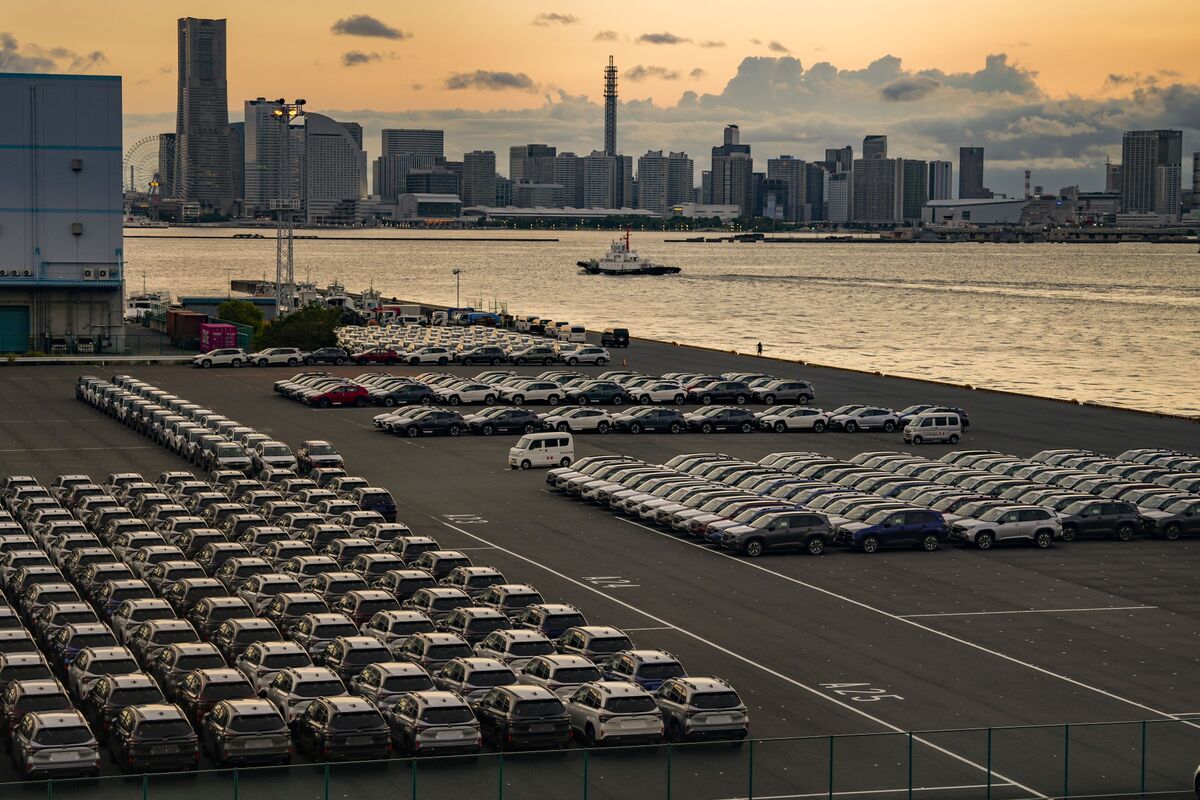
US President Donald Trump renewed criticism of Japan's automotive trade imbalance, asserting that Japan sells millions of cars to the U.S. while largely rejecting American vehicles and agricultural products. This statement, made ahead of Treasury Secretary Scott Bessent's visit to Japan, signals potential increased pressure on Tokyo regarding bilateral trade policies, particularly in the auto and agriculture sectors.
Renewed criticism from the US President regarding the automotive trade imbalance with Japan signals a heightened risk of protectionist measures ahead of Treasury Secretary Scott Bessent's visit to Tokyo. The comments specifically target Japan's high volume of car exports to the US while alleging the rejection of American cars and agricultural products, setting a confrontational tone for upcoming bilateral negotiations. The timing is significant, as it aims to apply pressure on what the report terms a "minority government" in Japan, potentially increasing the likelihood of US demands being met. The moderately negative sentiment and market impact score of 0.6 underscore the market's apprehension, with primary risks concentrated in the automotive sector and broader US-Japan trade policy, rather than specific publicly traded entities at this stage.
AI-powered research, real-time alerts, and portfolio analytics for institutional investors.
Request DemoOverall Sentiment
moderately negative
Sentiment Score
-0.50
