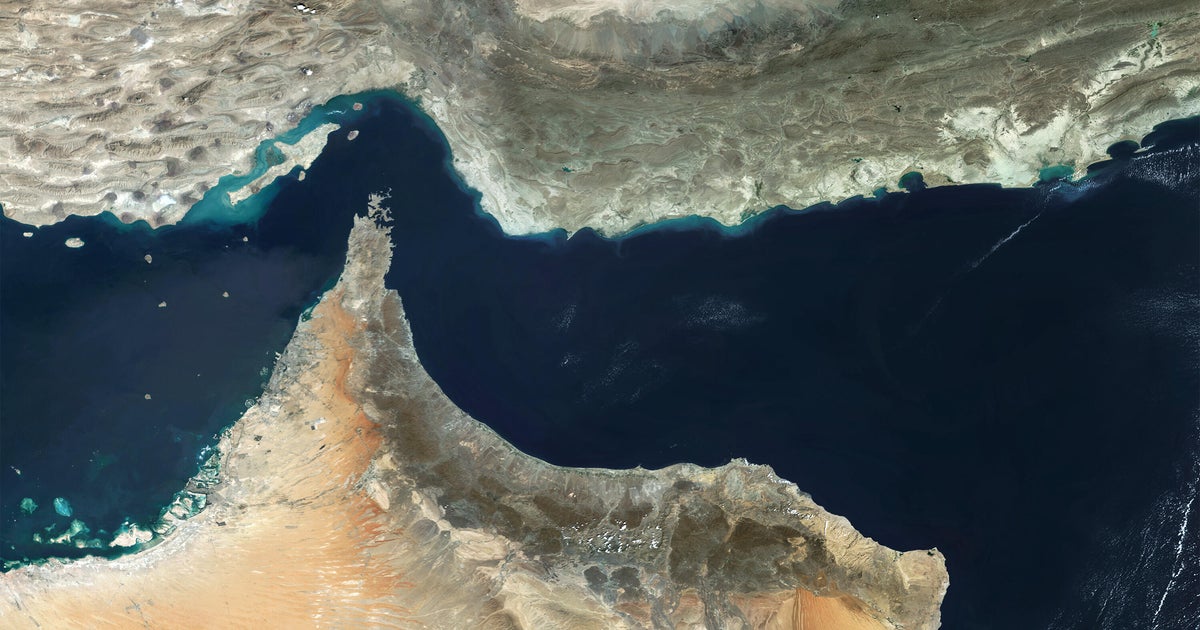
Oil surged above $100/bbl (Brent $102, WTI $99.49) as shipping through the Strait of Hormuz is near standstill, and U.S. stocks fell ~1.3% (S&P 500 down 88 pts to 6,652; Dow down 632 pts to 46,870; Nasdaq down 1.3%). U.S. national gas average rose to $3.48 (from ~$3 a week ago and $2.90 a month ago), heightening inflation and consumer-cost pressures. The supply shock (≈20% of global oil flows via the Strait) raises stagflation risk and is likely to sustain market volatility and pressure equities and cyclical sectors.
The immediate shock to crude is transmitting to real activity through three fast channels: input-cost pass-through to refinery-dependent industries, elevated shipping/insurance frictions that raise landed cost of commodity and intermediate goods, and a volatility-induced de-risking that favors liquidity-rich cash-flow generators. Empirically, a sustained $10/bbl move tends to shave several percentage points off cyclical EBIT margins in transportation, petrochemicals and agriculture over the following 3–9 months while boosting free cash flow for unconstrained upstream producers in the same window.
Market microstructure amplifies the macro shock: oil vols and skew have risen, causing hedged producers to buy protection and long-only funds to reallocate into energy, pressuring beta-exposed sectors. Expect a near-term rotation (days–weeks) into energy and commodities, with a secondary leg (weeks–months) where consumables and capex-heavy cyclicals underperform as higher input costs compress margins and weigh on capex plans.
Key catalysts to watch that can flip risk premia: a credible diplomatic de-escalation, coordinated SPR releases or OPEC+ supply increases can normalize spreads within 1–3 months; conversely, expanded hostilities or shipping-disruption persistence would embed higher structural premia and force material policy responses that lift core inflation expectations and flatten the real yield curve over quarters. Tail-risk: NATO/US direct involvement or wide-area sanctions could create multi-quarter logistics shock and insurance dislocations.
Consensus is likely overstating permanency of the shock in the absence of follow-through: markets price a multi-year structural upward shift, but storage economics, tactical routing and short-cycle US shale can recapture lost barrels within 60–120 days if price signals persist. Treat trades as time-boxed directional plays with explicit de-risk triggers tied to geopolitical headlines and front-month/back-month curve shape.
AI-powered research, real-time alerts, and portfolio analytics for institutional investors.
Request DemoOverall Sentiment
strongly negative
Sentiment Score
-0.65
