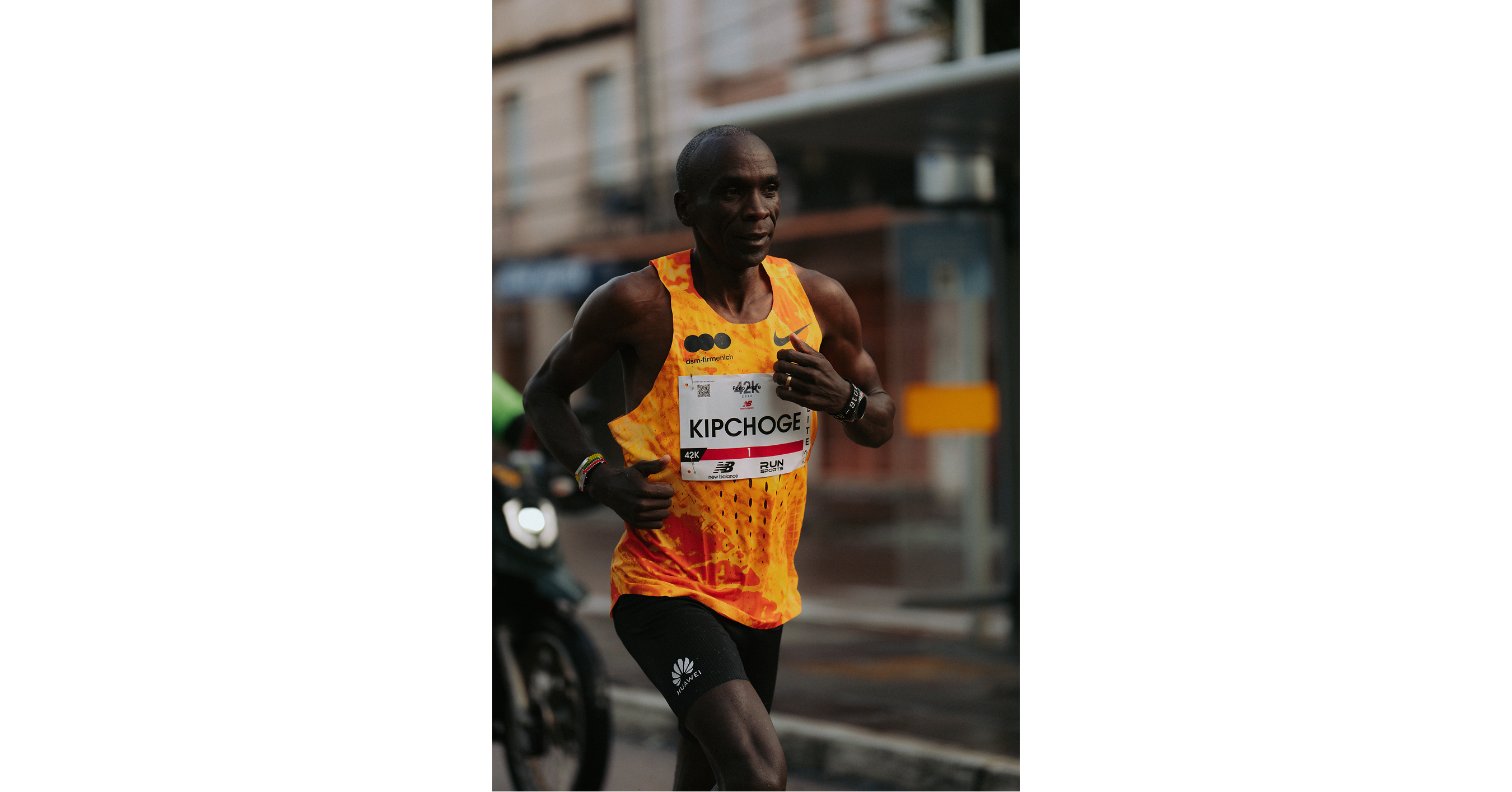
HUAWEI představil/propaguje hodinky HUAWEI WATCH GT Runner 2, které díky „inteligentnímu maratonu“ a režimům pro celý závod cílí na přesné GPS tempo a sledování 42,195 km. Dvojnásobný olympijský vítěz Eliud Kipchoge je ambasadorem a produkt osobně otestuje na závodě NB42K Porto Alegre 12. července, což má podtrhnout použitelnost mimo laboratorní podmínky. Jde primárně o marketing/produktové sdělení bez uvedených finančních dopadů; potenciál pro malé, lokální ovlivnění vnímání značky.
This reads more like a category-positioning move than a near-term earnings event. The real mechanism is not unit sales from one launch, but Huawei trying to convert a commodity smartwatch into a higher-retention training platform, where software cadence, coaching features, and elite validation support higher ASPs and lower churn. That matters most in China and select emerging markets, where ecosystem loyalty is weaker than in the US and price-to-feature competition is fiercer.
The immediate competitive pressure is on Garmin’s entry-level running devices and, to a lesser extent, Apple Watch’s sports-health narrative. If Huawei can make “pro-grade training” feel mainstream, the market may begin valuing wearables less as hardware and more as recurring-feature engagement, which would compress the moat of any vendor relying mainly on sensor parity. The second-order effect is margin: if competitors respond by bundling coaching software or discounting devices, category gross margins can get hit even if shipment growth holds.
The contrarian point is that most of this is PR until there is hard evidence in sell-through, app engagement, or repeat purchase data. Huawei’s ability to monetize outside its core ecosystem remains the key bottleneck, and performance claims in endurance use cases are easy to market but harder to sustain across devices, regions, and firmware cycles. Over 6-18 months, the thesis is only real if Huawei shows sustained share gains in running-focused wearables without materially higher returns or support costs.
Time horizon matters: there is no tradable catalyst in the next few days, but the next 1-2 earnings cycles will show whether this is brand spend or a real mix shift. What would falsify the bearish competitive read is stable Garmin unit growth and gross margin, or Apple continuing to gain wearable share despite more aggressive Chinese OEM feature parity. What would validate it is a slowdown in Garmin’s run-category momentum or evidence that Huawei is winning premium mix in LatAm/Asia rather than just generating press.
AI-powered research, real-time alerts, and portfolio analytics for institutional investors.
Request TrialOverall Sentiment
mildly positive
Sentiment Score
0.15
