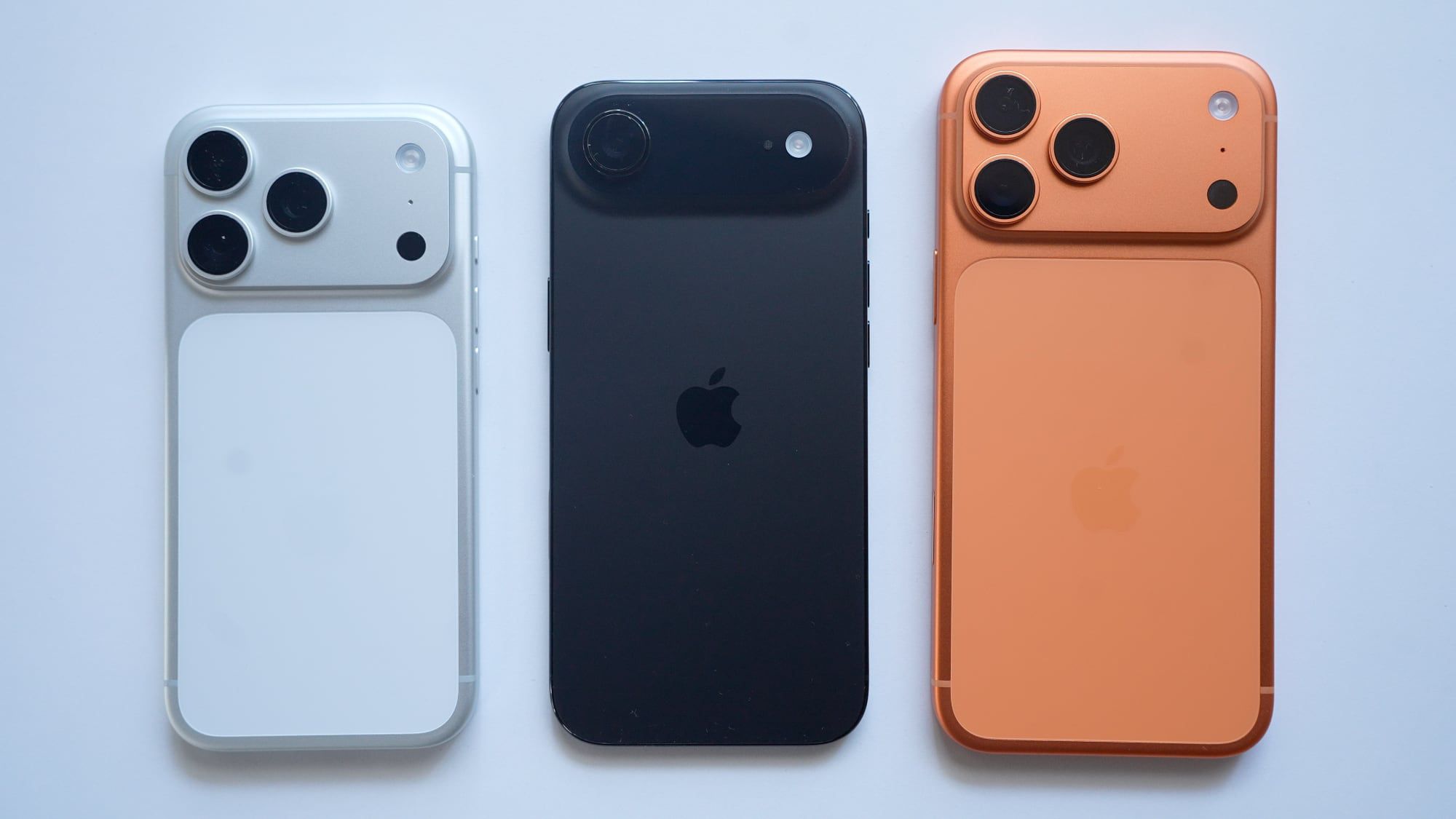
Apple U.S. smartphone sales rose 1.3% year over year in Q1 2026 even as the broader U.S. market fell 5.7% and Android sales declined 14.4%. Apple’s market share increased 4% year over year, helped by iPhone 17 demand, a later Samsung Galaxy S26 launch, and pricing discipline on the iPhone 17e. Management also flagged supply constraints and warned memory shortages and higher costs could weigh later in 2026, with Cook saying Apple expects "significantly higher" memory costs.
Apple’s strength here is less about one launch cycle and more about a widening execution moat: it is taking share while the category contracts, which implies its upgrade funnel is being protected by ecosystem lock-in and carrier/channel priority rather than pure macro beta. That matters because U.S. carriers are still the most efficient demand-amplification channel for premium phones; if Apple keeps absorbing a disproportionate share of carrier promotions, Android OEMs will likely have to choose between margin compression and share loss, especially in the mid-premium tier where switching costs are lowest.
The second-order implication is that the near-term winner is not just AAPL revenue, but also Apple’s bargaining power upstream. If TSM capacity is constrained by AI-related demand, Apple’s chip supply risk becomes a relative advantage versus smaller OEMs that cannot preemptively secure wafers; the scarce resource is not just silicon, but manufacturing priority. The eventual pressure point is memory: if component inflation reaches Apple’s bill of materials in a meaningful way, it can either push price increases later in the year or force a quieter spec/mix strategy that preserves headline pricing but trims gross margin expansion.
The market is probably underpricing the duration of Android weakness in the U.S. because the current miss is partly channel timing, but timing effects usually matter most when underlying demand is already soft. If Apple sustains “no price increase” optics into the fall refresh, it can keep pulling switchers from incumbents that have less room to absorb promo spend. The counter-risk is that this thesis is more U.S.-centric than global: a stronger Apple share print here does not automatically imply broad handset recovery, and any memory shock could hit consensus earnings later in 2026 rather than immediately.
From a trading perspective, the setup favors buying relative strength in AAPL versus handset-adjacent peers, while fading the OEMs most dependent on U.S. carrier shelf space. The cleaner expression is to stay long AAPL on any post-earnings pullback and pair it against an Android hardware proxy or a supplier with high handset exposure if memory-cost pass-through becomes visible. The key catalyst over the next 1-2 quarters is whether Apple holds pricing discipline into the next product cycle; if it does, consensus gross margin risk should re-rate higher, not lower.
AI-powered research, real-time alerts, and portfolio analytics for institutional investors.
Request DemoOverall Sentiment
moderately positive
Sentiment Score
0.35
Ticker Sentiment
