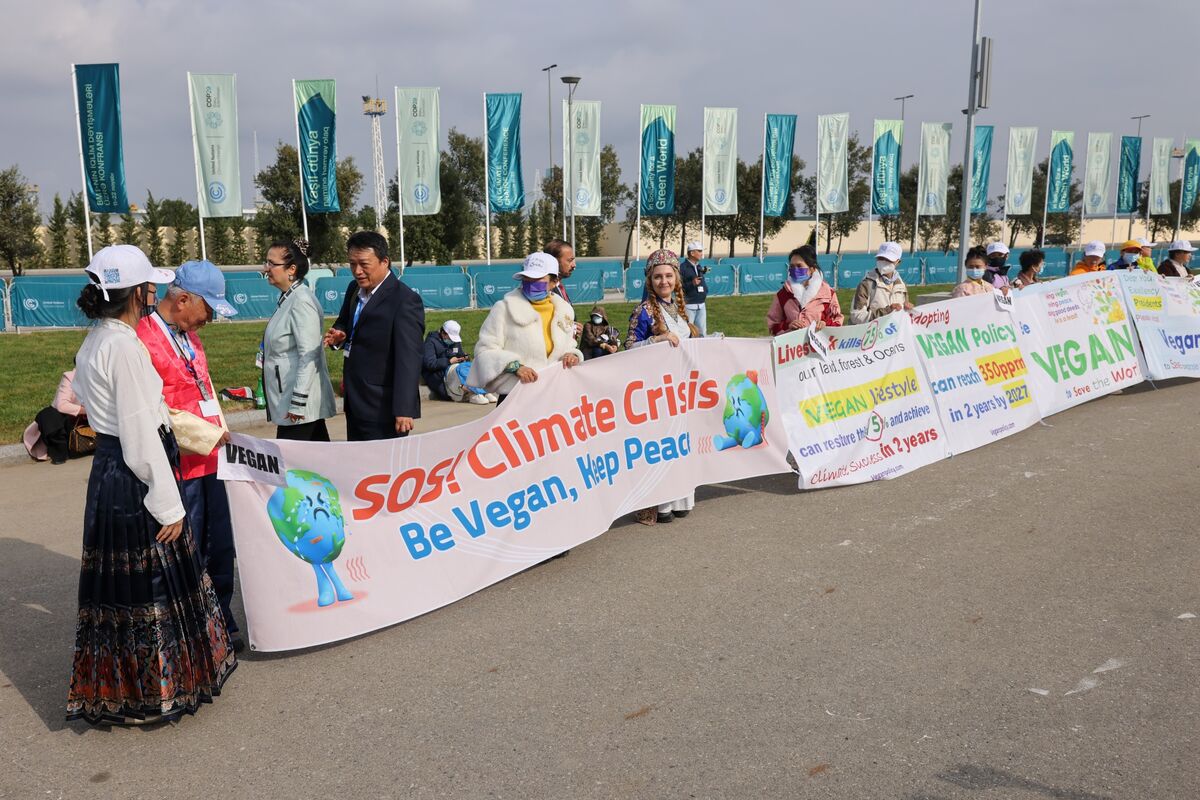
Amid escalating military conflicts in the Middle East, delegates at major climate events in Bonn and London this week maintained their focus on the continuing threat of global warming. This highlights the persistent commitment to climate action despite significant geopolitical distractions, a dynamic institutional investors should consider when assessing long-term environmental policy and related market trends.
Despite escalating military conflicts in the Middle East, major climate policy discussions proceeded this week in Bonn and London, signaling the resilience of the global climate agenda as a long-term policy priority. The neutral sentiment and low market impact score associated with this news reflect that these ongoing policy forums are not immediate market-moving catalysts. However, their continuation amidst significant geopolitical distractions is a critical insight for institutional investors. It demonstrates that the structural trend towards decarbonization and climate-related regulation maintains momentum, independent of short-term geopolitical crises. This persistence suggests that foundational shifts in energy policy and ESG mandates are likely to continue, representing a durable theme that transcends day-to-day market volatility.
AI-powered research, real-time alerts, and portfolio analytics for institutional investors.
Request DemoOverall Sentiment
neutral
Sentiment Score
0.00
