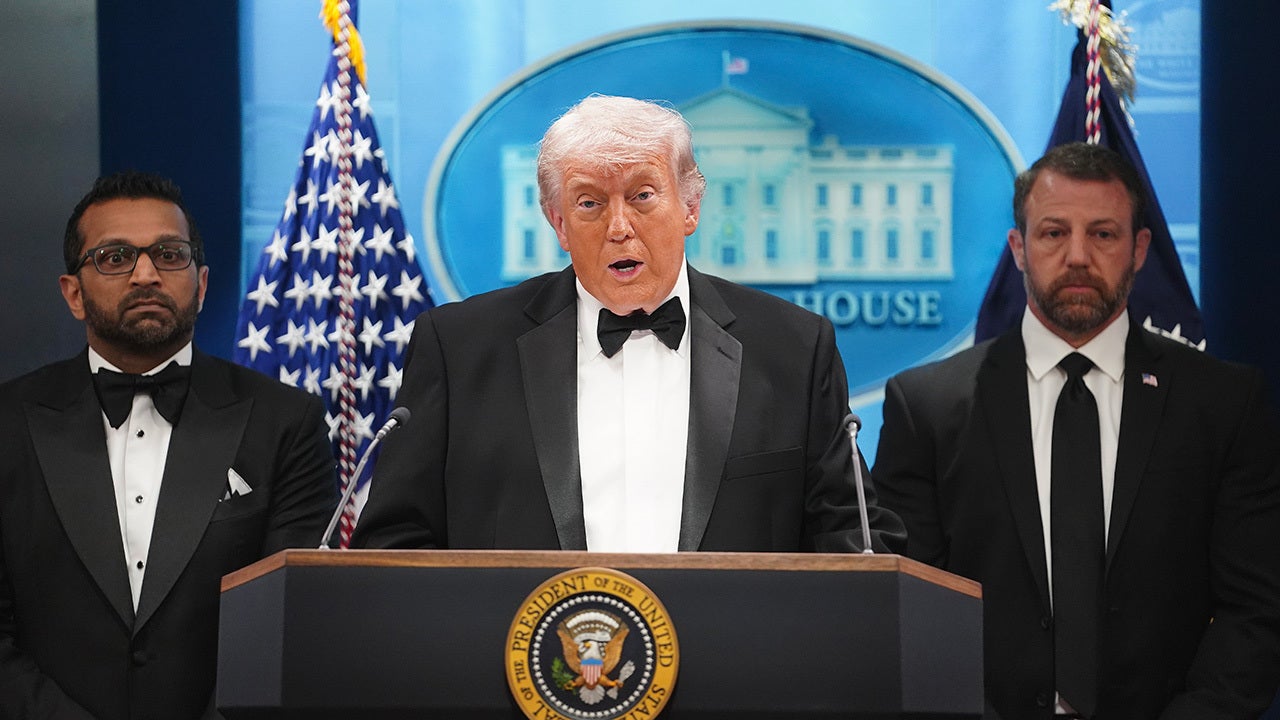
Shots were reported at the White House Correspondents’ Dinner at the Washington Hilton, prompting the evacuation of President Trump, the first lady, vice president, and other officials; one Secret Service agent was shot in the vest and is expected to be OK. Authorities said the suspected gunman, identified as 31-year-old Cole Allen of Torrance, California, was detained and faces federal charges, with more possible. The incident raises security and political concerns, but the direct market impact is likely limited.
The immediate market read is not about the venue or personalities, but about the probability of a sustained security-policy premium across defense-adjacent and private-protection spending. Incidents that expose a failure mode in layered screening tend to trigger a fast procurement response: more perimeter tech, credentialing, anomaly-detection software, ballistic materials, and event-security outsourcing. The second-order beneficiaries are the firms that sell “hours of coverage” and hardening retrofits, not the headline contractors tied to major platform programs.
The bigger multi-month implication is political: this strengthens the argument for re-architecting high-profile federal spaces and for accelerating physical-security capex in Washington and at large public venues nationwide. That can modestly benefit building-systems integrators, access-control vendors, and managed security providers while creating a small but visible budget reallocation away from discretionary facilities spend elsewhere. The legal/process angle matters too—if the response becomes a protracted approvals fight, procurement timing slips, and the near-term trade is in rhetoric rather than spend.
The contrarian view is that the market may overestimate the durability of the “security upgrade” narrative. Unless there is a second event or clear evidence of systemic screening failure, the policy impulse usually decays within days to weeks, and the spend gets absorbed into existing maintenance or deferred capex rather than a clean incremental budget line. The real tail risk is reputational contagion: if this is framed as a broader lapse in federal protection during a period of funding strain, it could widen into a staffing and retention issue for protective services over the next 3-6 months.
Media/engagement names also face a noisy but short-lived attention spike: more live coverage, higher audience minutes, and potential incremental ad inventory, but little fundamental change unless the story sustains into a broader political-security cycle. The deeper loser is the notion of elite-event insulation; that can depress attendance willingness and raise insurance/security costs for Washington-based events into year-end.
AI-powered research, real-time alerts, and portfolio analytics for institutional investors.
Request DemoOverall Sentiment
moderately negative
Sentiment Score
-0.35
