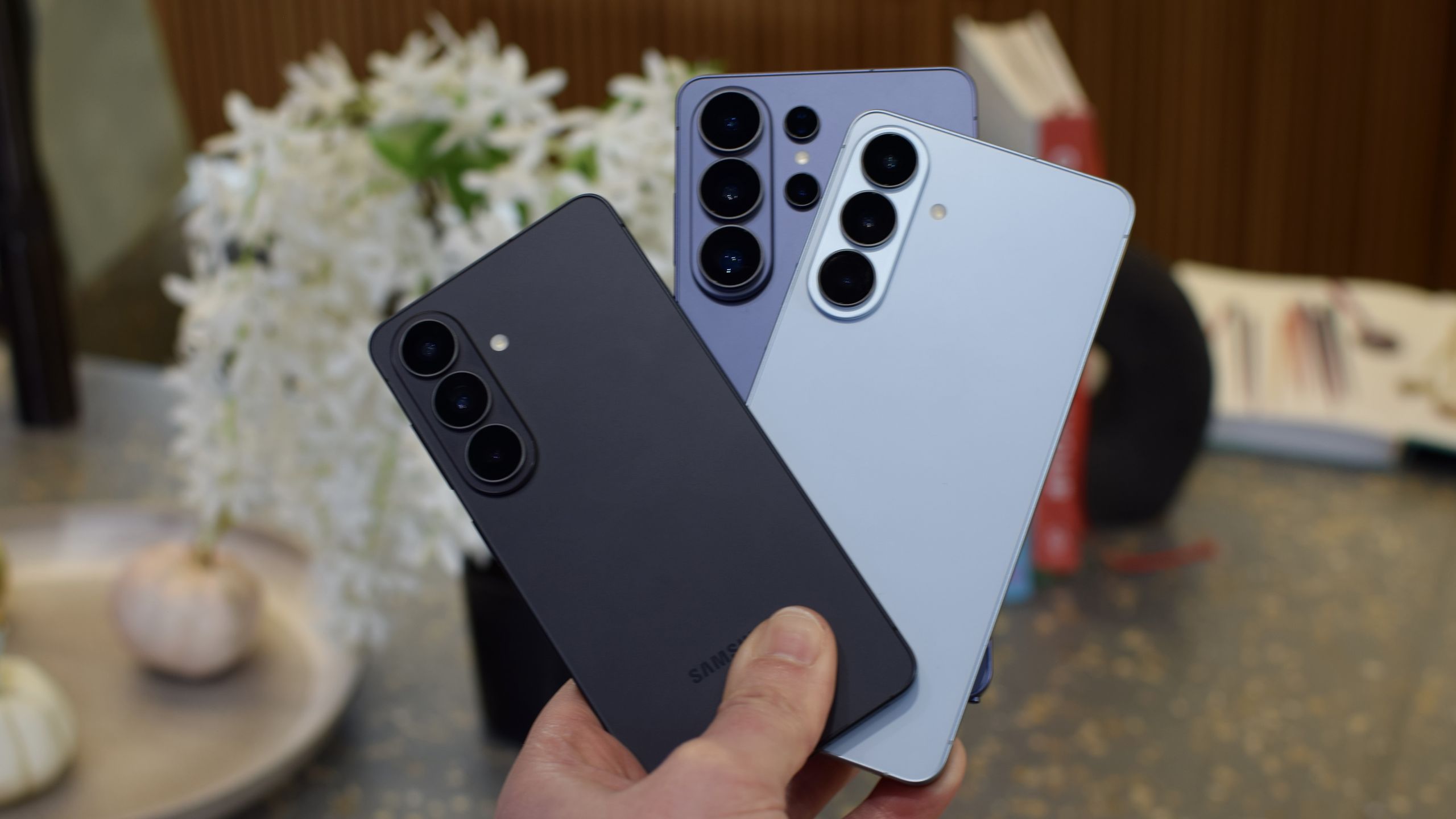
Samsung said its head of mobile experience is 'looking into' adding vibe coding (AI-assisted end-user coding to customize apps and UX) to future Galaxy devices after the S26 'AI phones' debut. There is no commitment on timing or rollout, so near-term financial impact is limited, though successful integration could improve Android differentiation and user engagement over the medium term.
A native, consumer-facing “vibe coding” capability would act as a multipler for platform stickiness rather than a one-off feature: users who can customize UX and app behaviour without developer friction raise lifetime engagement and lower churn. That raises the marginal value of platform services (search, app stores, cloud sync), concentrating monetizable user-hours to the owner of the tooling and runtime. Expect the biggest downstream demand signal to show up in tooling and NPU/ML-inference supply lines (toolchains, mobile NPUs, developer SDK monetization) rather than raw handset unit growth.
Second-order winners are firms selling the developer and model infra — CPU/GPU/NPU IP licensors, cloud inference-for-edge vendors, and low/no-code enterprise app platforms that can white-label consumer-built automations. Losers include players whose defensive position relied on UX lock-in: premium hardware makers with closed ecosystems and ad-dependent monetization models that can’t capture app-level customization value. A partial reallocation of spend is likely: less money to template apps and more to bespoke micro-services and small paid plugins, compressing average revenue per app but expanding total addressable micro-revenue streams.
Tail risks are concentrated and asymmetric: security and support burdens from novice-built code could trigger regulatory scrutiny or carrier/manufacturer constraints inside 6–24 months, reversing consumer adoption. Technical ceilings (battery, latency for on-device models) and an incumbent counterpunch (a tightly integrated rival offering a safer, curated “no-code” layer) are realistic inflection points. The adoption window to watch is 12–36 months — early developer monetization signals and SDK telemetry in that window will determine whether the effect is incremental or structural.
AI-powered research, real-time alerts, and portfolio analytics for institutional investors.
Request TrialOverall Sentiment
neutral
Sentiment Score
0.08
Ticker Sentiment
