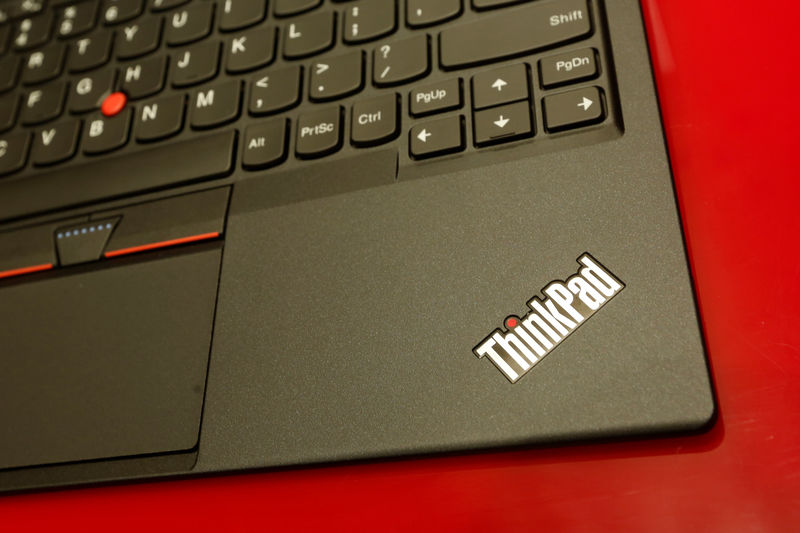
Goldman Sachs cuts 2026 global PC shipments to a 10% y/y decline to 257 million units, citing rising memory/material costs and a flattened replacement cycle after Windows 10 transitions. The firm expects a modest 2% recovery in 2027 as inventory overhangs clear, but entry-level margins will be squeezed by higher raw material costs. Goldman forecasts AI-capable PC shipments of 150 million units (59% penetration) in 2026 and projects AI PCs to make up 81% of the market by 2028, favoring high-end suppliers including Apple, Lenovo, HP and Dell.
The immediate consequence is not just a volume decline but a structural mix shift: OEMs that can trade up ASPs and monetize software/services will see margin expansion while low‑end players face margin compression and potential market exit. Expect a 6–12 month channel destocking phase where retail promotions amplify unit declines but mask ASP resilience in premium tiers, creating volatile headline comps for quarter-to-quarter earnings.
On the supply chain side, sustained elevated memory and component costs reprice BOM economics and will accelerate supplier prioritization of high‑margin customers (enterprise, hyperscalers, premium OEMs). That reallocation can create an access bifurcation — premium OEMs secure scarce parts and push lower-tier supply into longer lead times, producing second‑order consolidation opportunities among white‑box and regional OEMs over the next 12–24 months.
Key catalysts that can flip the narrative are memory price reversals, an unexpected corporate refresh program (enterprise security or compliance cycles), or a sharper-than-expected move of model inference back to the cloud that reduces edge demand. Tail risks include a macro slowdown that hits corporate IT budgets or an oversupply response from memory/SoC suppliers; both would materially compress margins for OEMs exposed to consumer and channel inventories within 3–9 months.
Contrarian angle: market consensus understates recurring revenue optionality and lock‑in value from premium AI PCs — services, MDM, and proprietary silicon can extend replacement cycles but lift lifetime revenue per device. Conversely, if AI workloads consolidate in hyperscale clouds instead of the edge, hardware-led recovery expectations are overstated; this bifurcation argues for concentrated bets, not broad sector exposure.
AI-powered research, real-time alerts, and portfolio analytics for institutional investors.
Request DemoOverall Sentiment
mildly negative
Sentiment Score
-0.25
Ticker Sentiment
