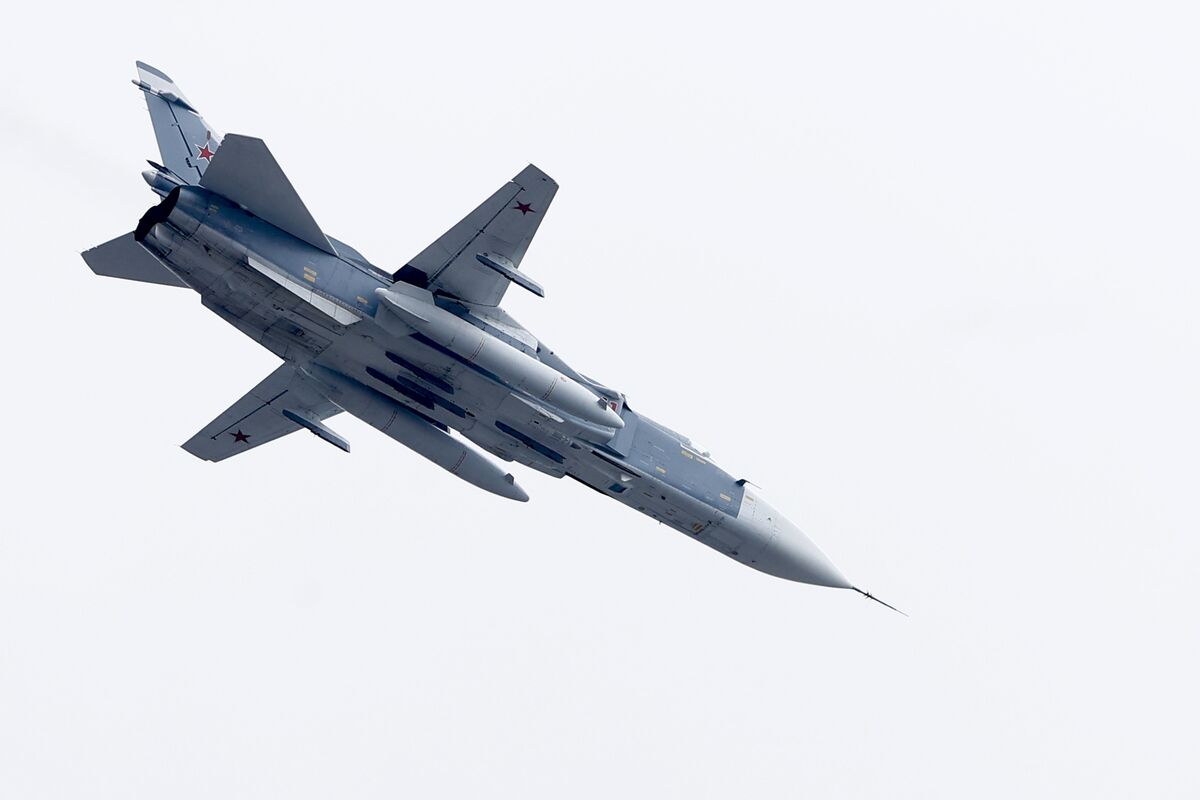
Poland intercepted a Russian Su-24 bomber over the Baltic Sea on Thursday after the Joint Operational Command for NATO forces in Europe ordered Polish air forces stationed in Lithuania to intercept the aircraft, according to Defense Minister Wladyslaw Kosiniak-Kamysz. The interception occurred in response to what the minister described as "dangerous maneuvers" by the Russian aircraft, highlighting continued tensions in the Baltic region.
Poland's interception of a Russian Su-24 bomber over the Baltic Sea, following an order from NATO's Joint Operational Command, underscores persistent geopolitical tensions and heightened military alertness in the region. The characterization of the Russian aircraft's actions as "dangerous maneuvers" by Poland's Defense Minister Wladyslaw Kosiniak-Kamysz highlights the potential for miscalculation or escalation. While the provided market impact score for this specific incident is low at 0.1 and sentiment is neutral, indicating a factual reporting style rather than a benign event, the incident falls squarely within the themes of 'Geopolitics & War' and 'Infrastructure & Defense'. Such events contribute to an environment of sustained regional risk and reinforce the strategic importance of defense capabilities and NATO's collective security posture, particularly concerning air policing and sovereignty in contested airspace.
AI-powered research, real-time alerts, and portfolio analytics for institutional investors.
Request DemoOverall Sentiment
neutral
Sentiment Score
0.00
