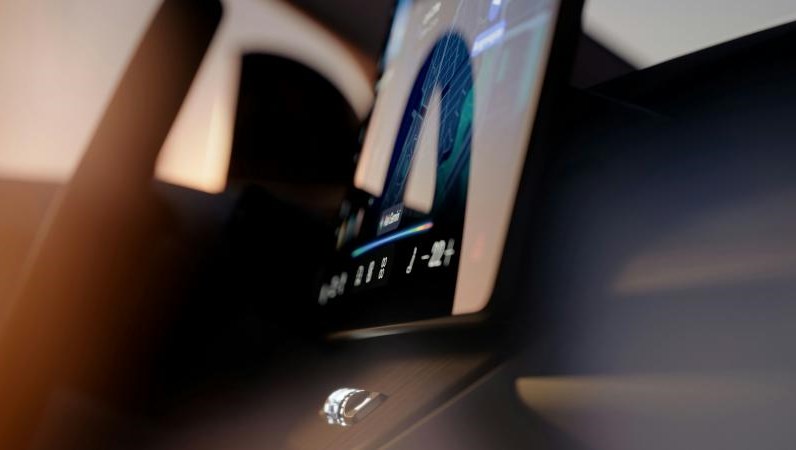
Volvo Cars will reveal the all-electric EX60 on 21 January 2026, positioning it as a software-defined, AI-first mid-size SUV with Google’s Gemini assistant deeply integrated via Volvo’s new HuginCore architecture and hardware from Qualcomm (Snapdragon platforms) and NVIDIA (DRIVE AGX Orin). Key specs and customer-facing claims include up to 640 km range (AWD, preliminary EPA-based estimate), ability to add ~270 km of range in 10 minutes at 400 kW charging, over 250 trillion operations per second processing, four years of complimentary unlimited data, and ongoing OTA improvements. The release reinforces Volvo’s tech partnerships and EV leadership while building on a strong corporate backdrop—Volvo Car Group reported a 2024 core operating profit of SEK 27 billion, revenue of SEK 400.2 billion and record global sales of 763,389 cars—supporting positive but measured investor interest rather than an immediate market-moving development.
Market structure: The EX60 launch materially favors Google (Gemini), NVIDIA (DRIVE AGX Orin) and Qualcomm (Snapdragon cockpit/connectivity) through higher in-car software monetization and incremental semiconductor content (estimate $1k–$2k incremental bill-of-materials per vehicle). Volvo gains premium positioning that could lift ASPs on high-tech trims by ~5–8% and nudge unit demand +1–3% over 12–24 months versus baseline. Incumbent infotainment suppliers and non-AI Tier-1s face margin pressure and potential share loss as OEMs consolidate on a small set of large tech partners.
Risk assessment: Key tail risks are regulatory (EU/US data/privacy limits or safety mandates blocking camera/live-assist features), large-scale software recalls (recall cost $500–$2,000/vehicle scenario), or chip supply shocks raising lead-times ~+30% short-term. Near-term reaction risk centers on the Jan 21 reveal (days) and subsequent supply agreements (weeks–months); monetization and recurring revenue from Gemini likely materialize over 12–36 months. Hidden dependencies include carrier/data costs, Google cloud/service fees and Volvo’s OTA execution — any of which can compress margin capture for partners.
Trade implications: Tactical long exposure to GOOGL/GOOG (2–4% portfolio) and NVDA (1–3%) captures AI stack wins; use 3–6 month call or call-spread structures to balance cost vs. event volatility. Buy QCOM 6–12 month call spreads (1–2%) to play Snapdragon cockpit recurring connectivity revenue and 4 years of complimentary data uptake. Reduce high-beta exposure to legacy auto suppliers by 100–200bp and rotate +150–200bp into semis/software; take profits on event-driven moves of +20–30% or after 6–12 months.
Contrarian angles: The market may be front-running monetization—Gemini in-car revenue could be modest year-one and take 12–36 months to scale; handset/assistant adoption history suggests multi-year consumer behavior change. NVIDIA pricing power could be checked by Qualcomm/other SoC alternatives, compressing gross margins over 2–3 years. If GOOGL/GOOG rallies >5% on the reveal, trim ~25% as the announcement premium often fades once dealer orders and ASPs are disclosed.
AI-powered research, real-time alerts, and portfolio analytics for institutional investors.
Request DemoOverall Sentiment
mildly positive
Sentiment Score
0.35
Ticker Sentiment
