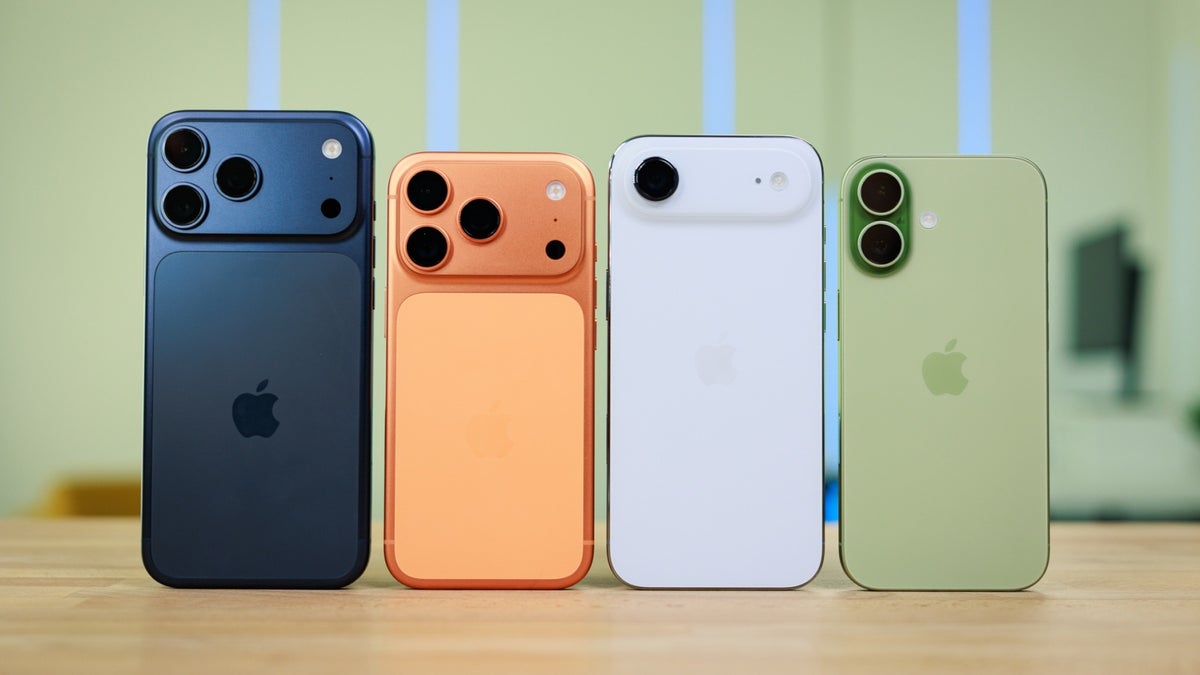
Apple’s US smartphone market share reportedly rose to 75% in Q1 2026 from 69% in Q4 2025, while iPhone sales in the period were described as up 1.3% despite a 5.7% decline in total US smartphone sales. Samsung’s late Galaxy S26 launch left a premium-market vacuum that helped iPhone 17 demand, and the iPhone 17e is expected to support further gains in coming quarters. In prepaid, Motorola climbed to 32% share from 26% a year earlier and is now just one point behind Samsung.
The key implication is not just share gain for the dominant handset ecosystem, but a sharper profit concentration across the entire US carrier stack. When one OEM captures an outsized mix of device activations, carriers lose upgrade optionality, which weakens promotional leverage and raises the probability that handset subsidies get recast into slower, lower-cost financing plans; that is negative for carrier gross adds quality over the next 2-3 quarters. It also shifts bargaining power toward the top OEM on accessory attach, services conversion, and trade-in pricing, which should support ecosystem monetization even if unit growth stays flat.
The more interesting second-order effect is on the Android value chain. A delayed premium launch effectively hands the incumbent a demand bridge, but the real damage shows up later: consumers who already switched are less likely to revert, so the missed window compounds into weaker carrier shelf space and lower marketing efficiency for competing Android OEMs into the summer upgrade cycle. Prepaid is the canary here: a consolidating two-player market implies smaller brands may be forced into deeper discounts or exit low-end pockets altogether, which pressures retailers and distributors reliant on device turnover.
The setup is bullish for the dominant hardware platform, but the trade may be better expressed as relative value rather than outright long exposure. The consensus risk is that investors overestimate the permanence of the share spike; if the delayed premium Android refresh lands cleanly and prices stay disciplined, some of the share can normalize within one or two quarters. Still, the magnitude of the installed-base lock-in and carrier economics suggests the broader theme is durable on a 6-12 month horizon, especially if the low-end market remains under cost pressure.
AI-powered research, real-time alerts, and portfolio analytics for institutional investors.
Request DemoOverall Sentiment
moderately positive
Sentiment Score
0.55
Ticker Sentiment
