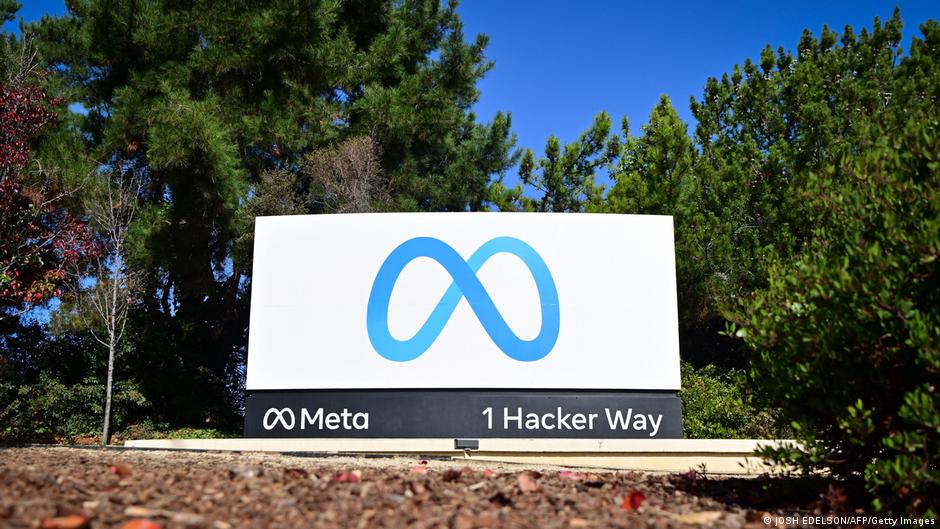
Meta said it will lay off about 8,000 employees, or roughly 10% of its workforce, with 6,000 additional roles left unfilled as it pivots toward AI development. Microsoft is also reportedly planning voluntary early-retirement buyouts for about 8,700 workers, around 7% of its workforce, while it boosts spending on AI and data-center infrastructure. The cuts highlight rising cost pressure and investor concern over the profitability of heavy AI investment.
The market should read these cuts less as a cost action and more as a reallocation of scarce engineering capacity toward AI capex that has a much longer payback cycle. That shifts the burden of proof onto monetization: if incremental AI spend does not show up in higher ARPU, faster enterprise seat expansion, or better retention within 2-4 quarters, investors will start treating "efficiency" rhetoric as margin dilution with a delay. The near-term winners are adjacent AI infrastructure providers, while the losers are any software vendors selling discretionary workflow tools that now face tougher budget scrutiny as internal headcount is being reprioritized toward AI.
Second-order, the labor move may be more bearish for legacy software ecosystems than for the hyperscalers themselves. When large platforms trim headcount to fund model training and agent deployment, they tend to consolidate vendor spend around a smaller set of strategic partners, which compresses addressable demand for point solutions in collaboration, CRM add-ons, and non-core SaaS. It also raises the odds that AI productivity gains become visible first in operating expense ratios rather than in top-line acceleration, which is usually a late-cycle tell for a broader enterprise adoption wave.
The key risk is that investors are still underestimating duration: AI infrastructure spending can pressure margins for 6-8 quarters before any meaningful revenue inflection appears, and that mismatch can keep the stocks range-bound even if the strategic narrative improves. The contrarian view is that the layoffs themselves may be mildly bullish because they reduce fixed-cost rigidity and create optionality if AI adoption is slower than management hopes. But that only works if execution is disciplined; if the companies keep spending aggressively while monetization lags, the market will punish them for capital intensity, not reward them for ambition.
AI-powered research, real-time alerts, and portfolio analytics for institutional investors.
Request TrialOverall Sentiment
moderately negative
Sentiment Score
-0.45
Ticker Sentiment
