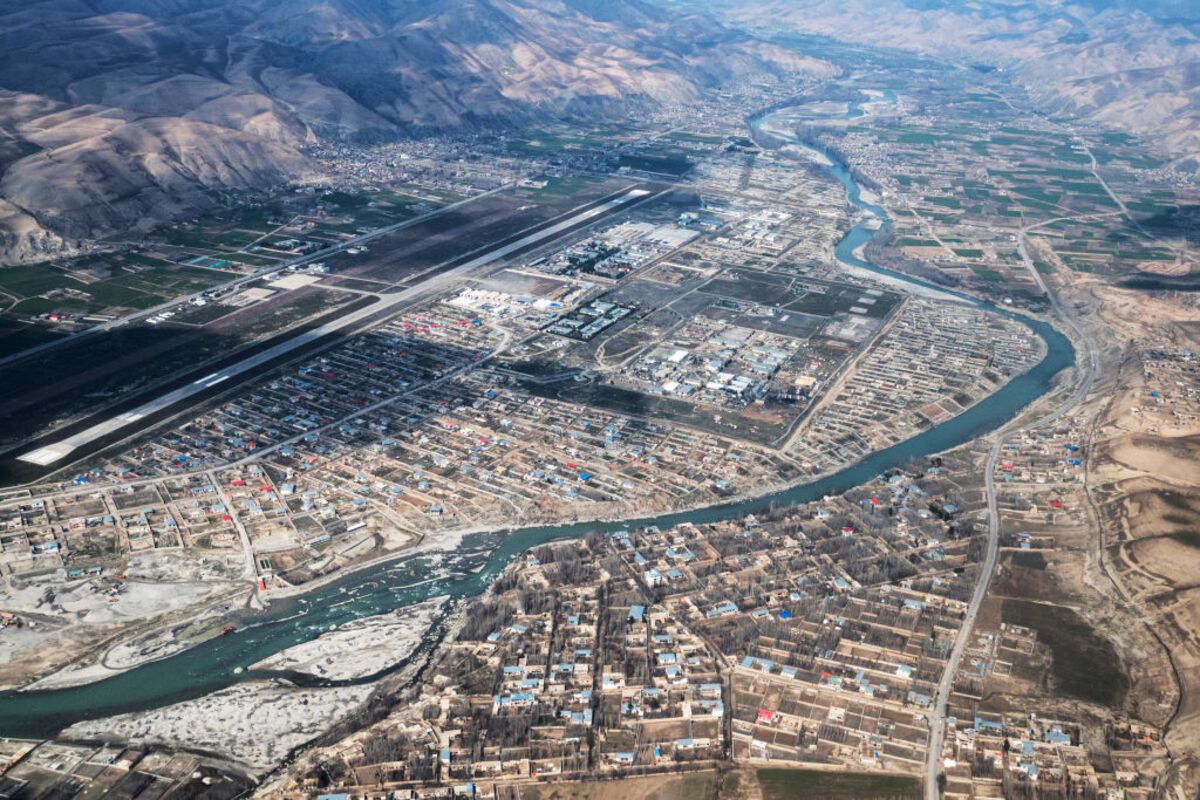
Following the closure of airspace across large parts of the Middle East, airline traffic over Afghanistan has surged by 500% since June 13, now averaging 280 flights daily, according to Flightradar24. Airlines are rerouting flights between Asia, Europe, and the US through Afghanistan, which was previously transited by an average of only 50 flights per day last month.
A significant operational shift is underway in the aviation sector as airlines reroute flights to avoid closed airspace in the Middle East. Following geopolitical escalations involving Israel and Iran since June 13, flight traffic over Afghanistan has surged by 500%, with daily flights increasing from an average of 50 to 280, according to Flightradar24 data. This rerouting of key corridors between Asia, Europe, and the US through Taliban-controlled airspace highlights the industry's immediate vulnerability to regional conflicts. The increased traffic density over this alternative route could introduce new logistical challenges, potentially impacting flight times, fuel consumption, and overall operational costs for carriers with significant exposure to these intercontinental routes. While the immediate market impact signal is moderate, the situation introduces a new layer of operational and geopolitical risk that was not previously a primary factor for these flight paths.
AI-powered research, real-time alerts, and portfolio analytics for institutional investors.
Request DemoOverall Sentiment
neutral
Sentiment Score
0.00
