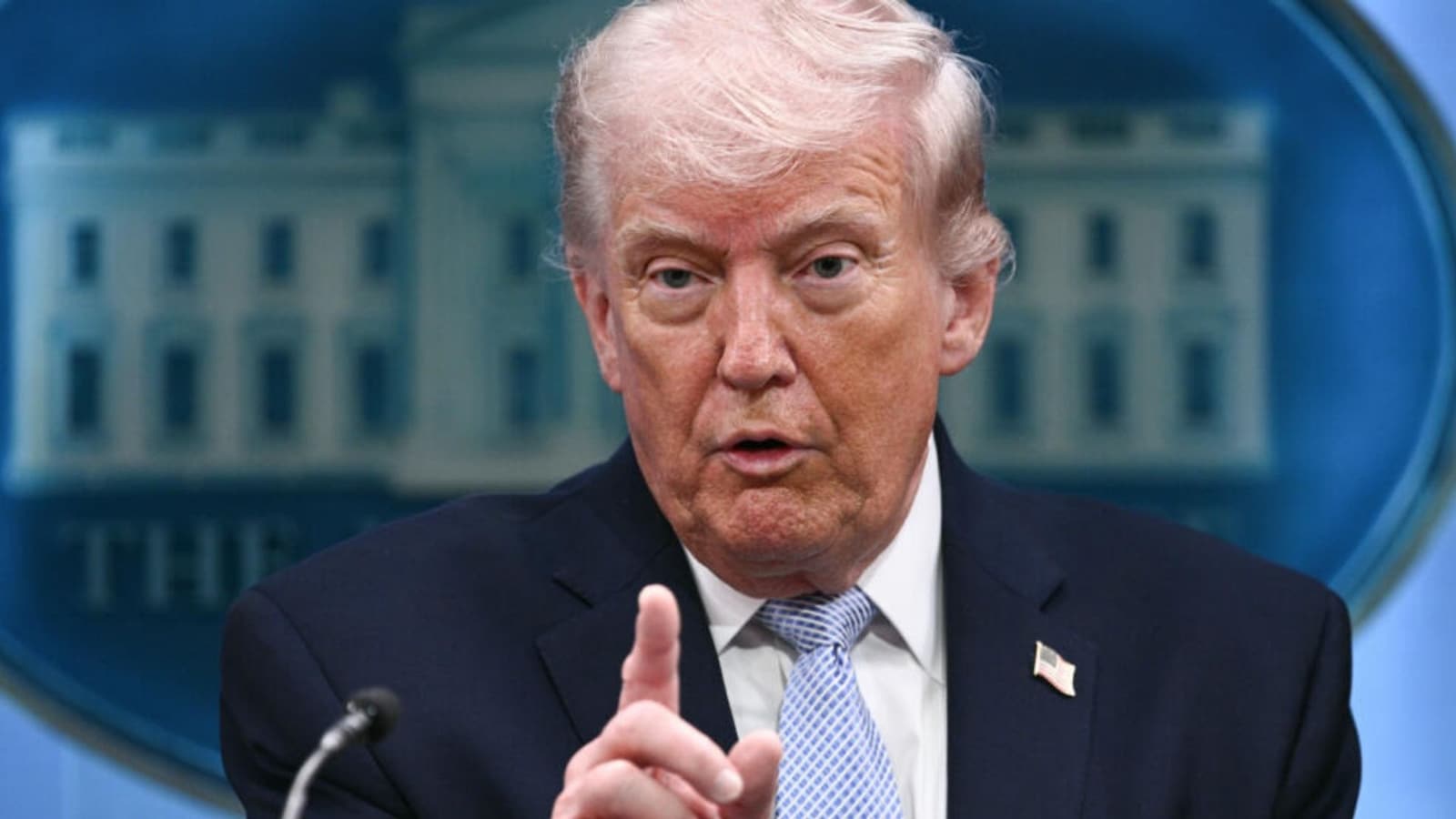
Nearly three months into the Iran war, the US still lacks a clear off-ramp, while Tehran's leverage over the Strait of Hormuz threatens roughly 20% of global oil flows. The article highlights indirect Russian and Chinese support via discounted sanctioned crude purchases and Russian satellite intelligence, with any future help likely contingent on concessions around Taiwan, Ukraine/NATO, or sanctions relief. The geopolitical risk is elevated and could have broad implications for oil prices, shipping routes, and sanctions enforcement.
The market is underpricing how quickly a localized Iran shock can morph into a global shipping-and-sanctions regime trade. The key second-order effect is not just oil up; it is freight re-routing, insurance repricing, and a wider discount between seaborne and domestic energy-linked assets as traders price in intermittent access risk rather than a clean supply shock. That favors defense and cyber/ISR suppliers, while refining, airlines, chemicals, and container/shipping names with Asia/Middle East exposure face a rising probability of margin compression and working-capital stress over the next 1-3 months.
The more interesting setup is that Russia and China are not true guarantors but leverage-maximizers, which means any “help” they provide Iran is likely paired with demands on Ukraine, sanctions, Taiwan, or dollar-system workarounds. That raises tail risk for commodities, but it also creates a policy trap: the US can pressure China’s crude flows only by tolerating higher near-term energy prices, which is inflationary and can spill into rates volatility. If Brent gaps higher on chokepoint headlines, the first-order winner is energy equities, but the second-order winners are US LNG/export infrastructure and defense primes that monetize sustained procurement and maritime surveillance demand.
Contrarian view: the consensus is treating chokepoint risk as a binary oil spike, but the more durable trade is a slow-burn fragmentation of logistics and settlement rails. If Iran’s leverage proves effective without a full closure, expect more sanctioned barrels to clear through shadow channels at wider discounts, which can actually pressure midstream and tanker utilization economics in non-obvious ways. The reversal trigger is diplomatic de-escalation or a credible US backstop for maritime lanes; absent that, risk premium should persist for months, not days, even if headline volatility fades.
AI-powered research, real-time alerts, and portfolio analytics for institutional investors.
Request DemoOverall Sentiment
moderately negative
Sentiment Score
-0.35
