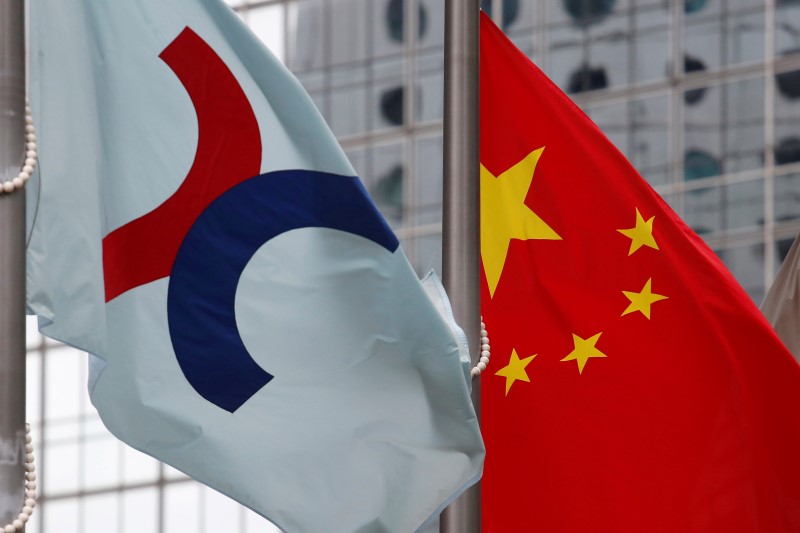
Xiaohongshu is reportedly preparing for a Hong Kong IPO as early as year-end, with investors pushing for a valuation above $70 billion, up from more than $50 billion in recent private secondary transactions. The company’s net profit could exceed $3 billion in 2026 versus more than $2 billion last year, underscoring strong growth expectations for the social media and e-commerce platform. The news is constructive for private-market valuations and Hong Kong IPO activity, but remains preliminary and may not have an immediate broad market impact.
A mega-cap Hong Kong IPO for a consumer internet asset with real earnings power would be a rare re-rating event for the China tech complex. The immediate winners are late-stage private investors and pre-IPO funds that can crystallize marks, but the second-order beneficiary is the broader Hong Kong primary market: a successful deal would reopen the window for other China internet listings and support fee pools for banks, exchanges, and cornerstone allocators.
The competitive implication is more interesting than the headline valuation. A listed currency at a premium multiple gives management optionality to outspend peers on creator incentives, commerce integration, and AI-driven content ranking, which could pressure smaller domestic platforms that rely on weaker monetization. If the company can defend growth while converting social engagement into transaction take-rate, it becomes a much more credible challenger to traditional e-commerce ecosystems than a pure ad-funded social app.
The main risk is not execution on day one, but regime risk over the next 3-12 months: China ADR/HK tech sentiment can turn quickly if capital controls, data governance, or platform regulation re-enter the debate. A valuation above private-market marks also creates a fragile setup; if the IPO is delayed or priced conservatively, the market may read it as a sign that top-tier demand from global growth funds is still missing. The more the deal leans on domestic and strategic capital, the more vulnerable it is to post-listing de-rating once the first lock-up supply comes through.
Consensus may be underestimating how much this is a signal trade for the entire private-markets complex. If this clears at scale, it validates a path-to-liquidity for late-stage Chinese consumer internet names and could tighten secondary pricing across the segment. But if macro or policy headlines weaken into year-end, the IPO could become a sentiment barometer rather than a durable rerating catalyst, making it a cleaner short on the basket of speculative China tech proxies than a standalone long on the issuer.
AI-powered research, real-time alerts, and portfolio analytics for institutional investors.
Request DemoOverall Sentiment
mildly positive
Sentiment Score
0.35
