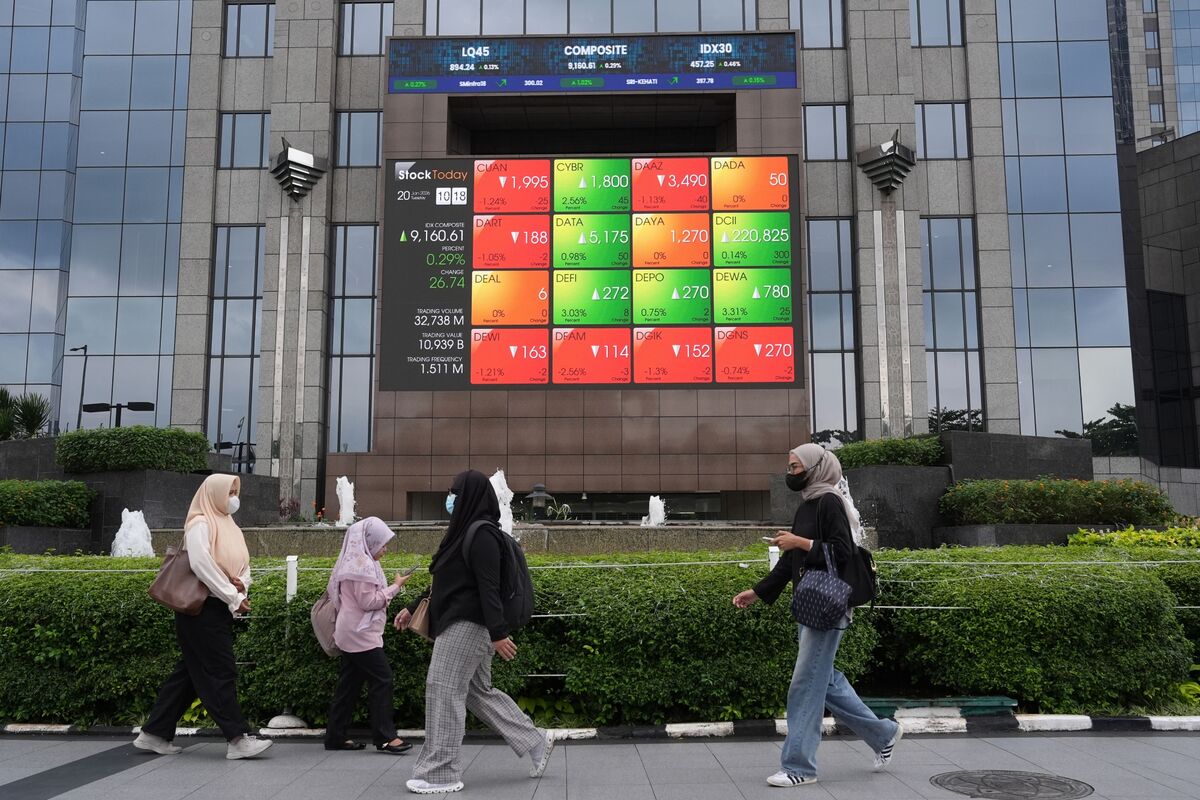
The Indonesia Stock Exchange will exclude tightly held firms from the IDX30, IDX80 and LQ45 indexes beginning with the April review and effective on the first trading day of May. The move is part of market reforms aimed at making indexes better reflect market dynamics. The change is notable for index constituents and passive flows, but it is primarily a technical rebalancing rather than a broad market shock.
This is less about “governance reform” than about how passive flows can be engineered to improve market quality. Removing tightly held names from benchmark baskets should mechanically redirect index-linked demand toward more liquid, broader-float constituents, widening the gap between names that are investable for foreigners and those that are merely listed. Over the next 1-2 index review cycles, expect a measurable liquidity premium to accrue to mid/large-cap Indonesian names with high free float, while tightly held names face a valuation discount from reduced passive ownership and weaker secondary-market turnover.
The second-order effect is likely a crowding-out of benchmark-sensitive capital from the excluded names, not a one-day reprice. In emerging markets, index exclusion can matter more than fundamentals because local ownership concentration often suppresses tradability and raises borrow costs; once a name loses index status, it can see persistent multiple compression if active funds are constrained by liquidity mandates. Conversely, a broader set of eligible constituents can improve execution quality for Indonesia exposure overall, potentially reducing the “liquidity tax” embedded in the country risk premium.
The main risk is that this reform is a blunt instrument: if exclusions are too aggressive, it could reduce market depth in already thin parts of the tape and trigger a temporary disorderly rotation into the remaining index names. A faster-than-expected reversal would require a tweak to the methodology or pressure from issuers/market participants arguing the new screen distorts representation. In practice, the trade is likely to play out over weeks to months rather than days, with the biggest move occurring around the April review and first May rebalance as passive funds and local ETFs adjust.
AI-powered research, real-time alerts, and portfolio analytics for institutional investors.
Request DemoOverall Sentiment
neutral
Sentiment Score
-0.05
