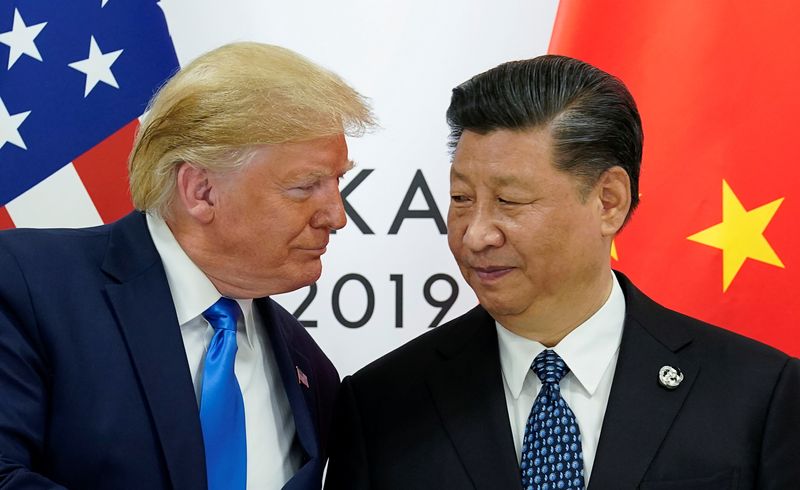
20% of global oil supply transits the Strait of Hormuz; President Trump urged China, France, Japan, South Korea and the UK to join a U.S.-led effort to reopen and escort shipping through the strait after Iran blocked it. Trump warned NATO faces a “very bad” future if European allies decline and said he may delay a summit with Xi Jinping, while noting China sources ~90% of its oil via the strait. Elevated geopolitical risk could raise oil price risk premia and disrupt trade/shipping flows if escorts or military actions escalate.
The announcement of a multinational escort plan increases the probability of episodic, managed skirmishes rather than a single decisive closure; market reaction will therefore come in spikes tied to tactical incidents and insurance repricing rather than a steady baseline move. Expect crude oil and tanker freight volatility to concentrate in the next 2–12 weeks as naval deployments, rules-of-engagement clarifications, and convoy schedules create temporary chokepoints and insurance windows.
Second-order winners are those that monetize transit dislocation rather than commodity exposure alone: publicly traded tanker owners and charter-rate beneficiaries can see earnings upgrades within a single quarter if time-charter rates double during flare-ups, while specialty marine insurers and reinsurance brokers could reprice risk and widen underwriting margins over 3–6 months. Conversely, industries with tight delivery schedules (just-in-time manufacturing, chemical feedstocks, and refined-product arbitrageurs) face margin compression via higher logistics costs and longer voyage times, with effects compounding if the coalition provokes tit-for-tat asymmetric attacks.
Key catalysts that will flip the narrative are discrete and fast: a misattributed strike or a struck-asset that materially damages a coalition ship will produce a multi-week risk-asset selloff; a public commitment from a large Asian buyer to escort duties (or a parallel diplomatic de-escalation) would remove upside in crude and freight within 30–90 days. Position sizing should therefore favor optionality and sector pairs that capture freight and defense convexity while limiting straight directional exposure to oil prices.
AI-powered research, real-time alerts, and portfolio analytics for institutional investors.
Overall Sentiment
mildly negative
Sentiment Score
-0.35
