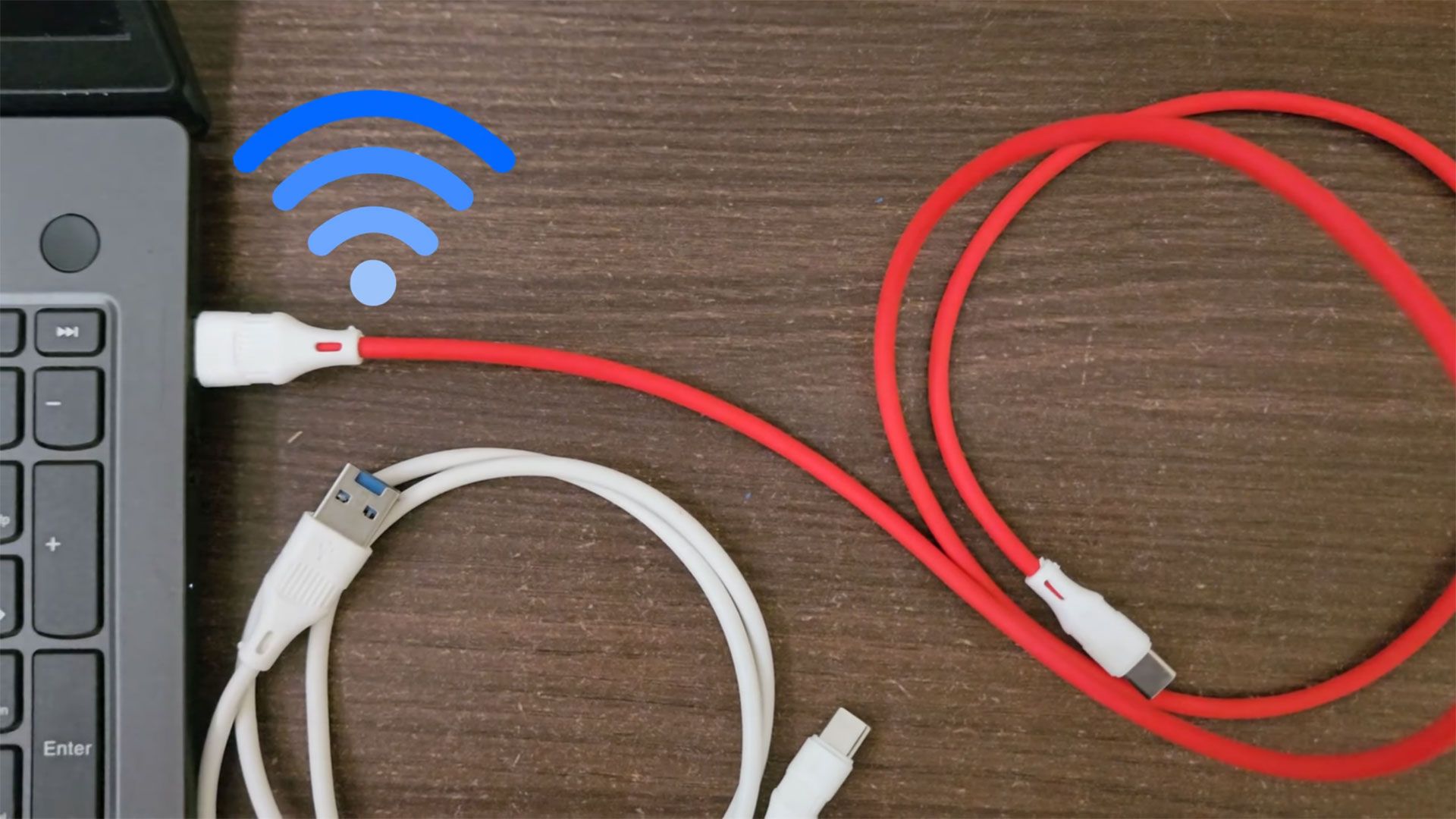
Hacknect, a Wi-Fi controlled stealth USB cable from Little Gadgets, has raised strong Kickstarter interest with three weeks left in the campaign and pricing starting at about $82. The device integrates an ESP32-S3, microSD storage, and browser-based controls for remote payload execution, keystroke injection, mouse automation, and other security tools. While commercially interesting as an open-source hardware product, the article is primarily a cybersecurity gadget feature with limited near-term market impact.
The immediate commercial read-through is less about the gadget itself and more about the normalization of dual-use hardware at consumer price points. That compresses the cost curve for low-sophistication intrusion, which matters because most real-world breaches still start with physical access, insider proximity, or opportunistic plug-in attacks rather than nation-state tradecraft. The second-order effect is a bigger attack surface for enterprises that already struggle with USB device control and zero-trust enforcement, creating incremental demand for endpoint control, device attestation, and physical security tooling.
The likely winners are the security layers that make “trusted” USB fail closed: endpoint protection vendors, device management platforms, and hardware-authentication players. This is a favorable backdrop for firms selling USB filtering, peripheral whitelisting, identity-aware access, and out-of-band device verification, because the product is a marketing reminder that a cable can now be a programmable endpoint. By contrast, broad consumer peripherals and generic cable vendors are not directly exposed, but the reputational spillover could increase procurement scrutiny and lengthen enterprise sales cycles for any new USB accessory category.
The contrarian point is that this is more a proof-of-concept commercialization event than a step-change in attacker capability. The threat is real, but the adoption curve is constrained by operational friction: physical access, setup, and the need for a human to plug in the device still limit scale. The market may overreact in headlines and underreact in budget planning; the real monetization tends to show up over months in compliance spend, not in a same-week cyber panic trade.
Catalyst-wise, the next 1-3 months matter most if IT buyers translate this into refreshed USB policies before the next procurement cycle. Over 12-24 months, the broader implication is an expanding category of stealth hardware, which should keep endpoint security budgets structurally elevated even if this specific product never becomes mainstream.
AI-powered research, real-time alerts, and portfolio analytics for institutional investors.
Request DemoOverall Sentiment
mildly positive
Sentiment Score
0.20
