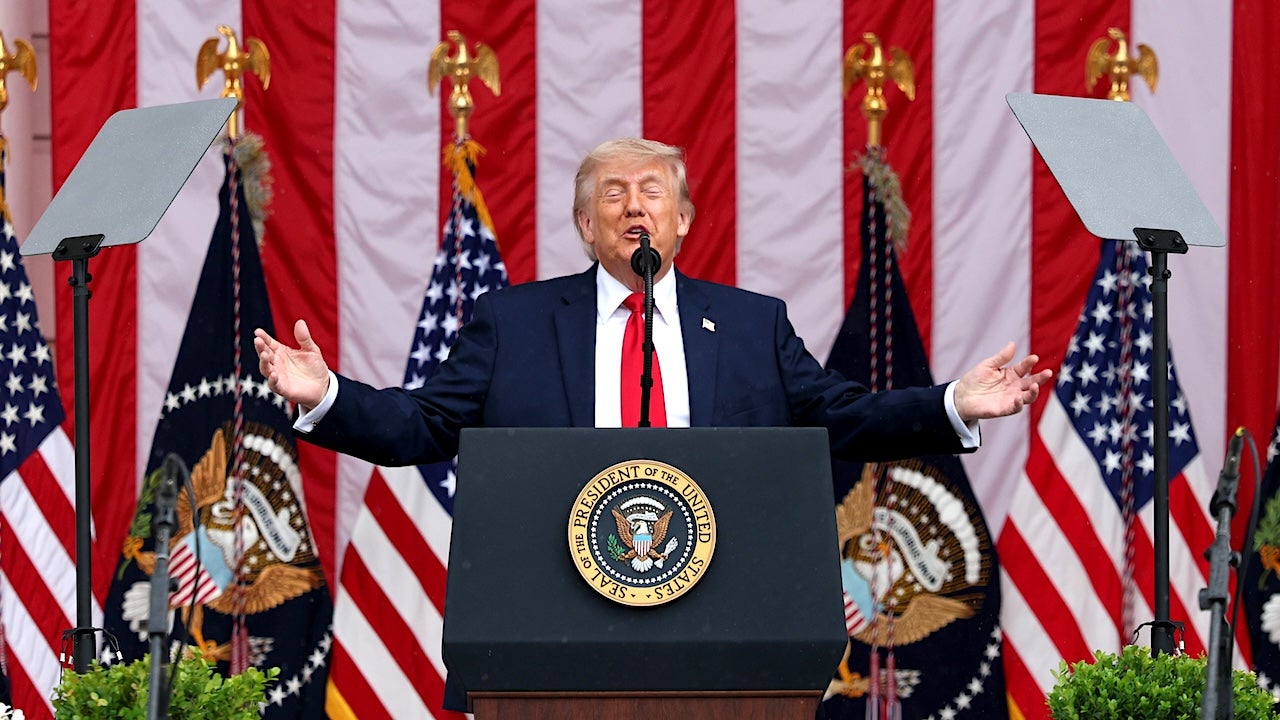
The article centers on escalating U.S.-Iran tensions, with Trump and senior U.S. officials saying negotiations are progressing but warning that military action remains on the table if Iran does not give up nuclear ambitions. Markets reacted sharply to reports of a draft framework that could reopen the Strait of Hormuz, sending oil down more than 5% intraday with WTI at $88.70 and Brent at $95.92, while the dollar also weakened on the shipping optimism. The piece also highlights major shipping disruption, with CENTCOM saying 109 commercial vessels have been diverted under the blockade and Israel receiving a KC-46 tanker that expands long-range strike options.
The market is still pricing this as a binary diplomacy story, but the more important edge is that both sides are using the same signal: keeping escalation credible while trying to cap prices. That reduces the probability of a clean, durable peace and instead raises the odds of a stop-start regime where shipping risk, tanker insurance, and energy basis all stay volatile for weeks even if headline oil backs off. In that setup, the first-order move in crude can be misleading; the second-order winner is usually volatility, not direction. For equities, the near-term beneficiaries are not just energy producers but also defense, maritime security, and select infrastructure names tied to refueling, surveillance, and logistics rerouting. The Israel tanker delivery matters because it increases the region's optionality for independent action, which mechanically raises the tail risk that any U.S.-Iran pause gets disrupted by a third-party strike. That argues for a higher geopolitical risk premium on refined products and shipping insurance than on front-month Brent alone. The FX and rates implications are asymmetric: a durable reopening of Hormuz would compress energy-driven inflation expectations and help risk assets, but if talks fail, dollar strength should reassert as a funding haven while global cyclicals underperform. The market may be underestimating how much of the recent oil move was a squeeze out of crowded longs; if talks stall, oil can rebound faster than consensus because positioning is now more headline-sensitive and less fundamentally anchored. Conversely, if a framework emerges, the bigger mean-reversion trade is probably in implied volatility and defense beta, not crude outright. The contrarian view is that the administration may want a deal more for price stability than for strategic purity, which means the ceiling on oil could be lower than the tape suggests unless there is a clear breakdown. But the floor is also higher because both parties have incentives to preserve leverage, not resolve it. In practical terms, the best risk/reward is to own optionality around the next 1-2 weeks rather than chase spot energy after a 5% washout.
AI-powered research, real-time alerts, and portfolio analytics for institutional investors.
Request DemoOverall Sentiment
mildly negative
Sentiment Score
-0.15
Ticker Sentiment
