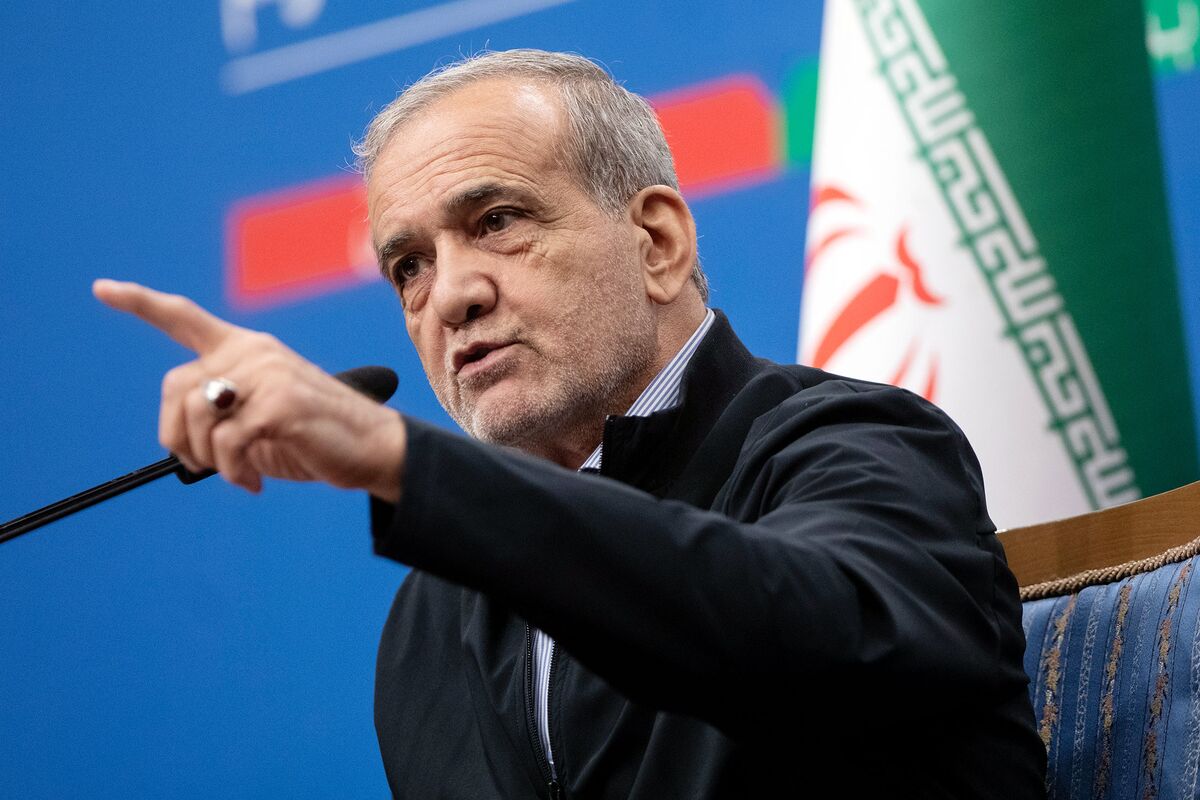
Iranian President Masoud Pezeshkian is scheduled to visit Islamabad on Tuesday for talks on security, trade and broader cooperation, following the US-Iran truce that Pakistan helped mediate. The trip signals improving Iran-Pakistan ties and may support incremental progress in regional diplomacy and bilateral trade. Market impact is likely limited but could be modestly relevant for regional geopolitical risk and emerging-markets sentiment.
The key market implication is not the headline diplomacy itself, but the reduction in perceived tail risk around the Pakistan-Iran border and western corridor logistics. That should modestly lower the discount rate on regional trade normalization, helping Pakistan-linked transport, border services, and industrial names more than outright Iranian exposure, which remains constrained by sanctions and payment frictions. The first-order move is likely in local sentiment; the second-order move is a slow thaw in cross-border commerce that can rerate Pakistan’s import substitution and transit-linked beneficiaries over 3-12 months.
The most interesting asymmetry is for energy and commodities. Any durable easing in US-Iran tensions increases optionality for future Iranian barrels, which caps upside for Gulf producers and reduces the probability of a supply shock premium in crude. But the near-term effect is likely muted because sanction relief is not the base case; markets should treat this as a reduction in escalation risk rather than a step-change in supply. That means the risk-reward is better in volatility compression trades than outright directional oil shorts.
The contrarian angle is that consensus may overestimate how quickly rapprochement translates into trade flows. Pakistan’s macro constraints, FX scarcity, and settlement channels are the bottlenecks, not just politics, so any benefit is likely to be gradual and lumpy. If the market prices in a quick normalization, that is fadeable; if instead it stays cautious, the better trade is to own the beneficiaries of lower geopolitical volatility while avoiding names that require sanctions removal to matter.
AI-powered research, real-time alerts, and portfolio analytics for institutional investors.
Overall Sentiment
neutral
Sentiment Score
0.15
