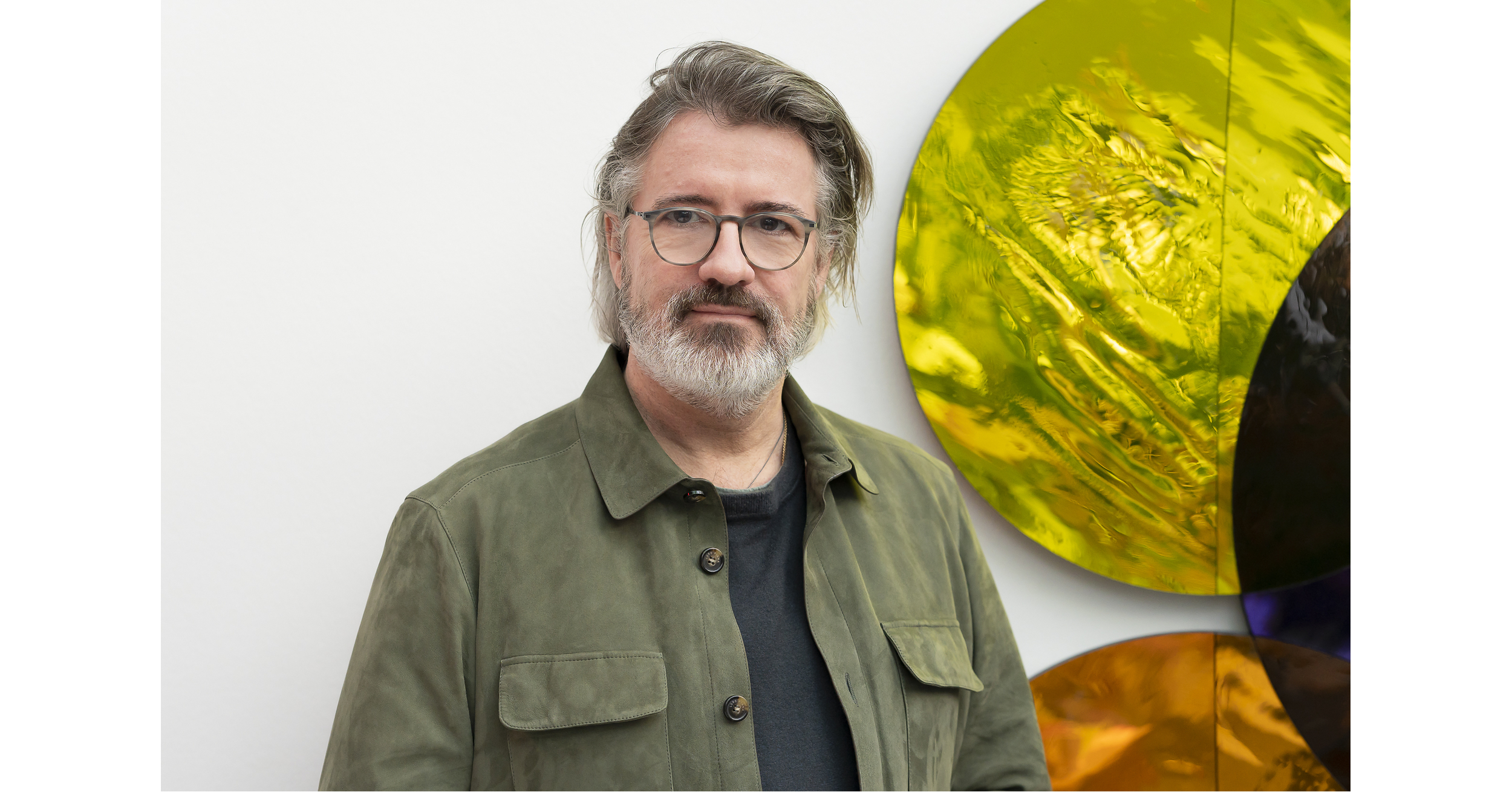
ARTIS-Aquarium en Ámsterdam inaugurará en otoño de 2026 una instalación multisensorial de Olafur Eliasson (“Deep seeing currents”) en la rotonda del nuevo acuario. La obra busca emular la experiencia de las profundidades marinas mediante sonido, luz y vibraciones táctiles. La instalación estará disponible al público a partir del 3 de octubre de 2026 tras la reapertura del acuario en junio de 2026.
This is a branding/footfall story, not a balance-sheet catalyst. The economically relevant mechanism is whether immersive curation increases dwell time, repeat visitation, and ancillary spend enough to justify premium ticket pricing; that benefits large cultural destinations more than the artist or sponsor. The closest public-market read-through is to experience-led leisure and tourism operators, but the implied revenue lift is likely immaterial unless the concept is copied broadly across major attractions.
The second-order angle is supplier demand: if museum operators conclude that sensory installations improve conversion, they may allocate more capex toward projection, audio, lighting, and interactive systems. That could create a modest tailwind for experiential-tech vendors and integrators, while commoditized attractions without a differentiated draw face pressure to spend more just to defend attendance. Time horizon is months to years, not days.
Contrarian view: the market often overstates the monetization of ESG/“art plus science” narratives. The risk is that this remains a publicity upgrade with weak payback once opening-week novelty fades, especially if European consumer spending softens. What would falsify any bullish read-through is flat or declining attendance after the initial launch window, or no improvement in per-visitor spend versus prior seasons.
AI-powered research, real-time alerts, and portfolio analytics for institutional investors.
Request TrialOverall Sentiment
neutral
Sentiment Score
0.10
