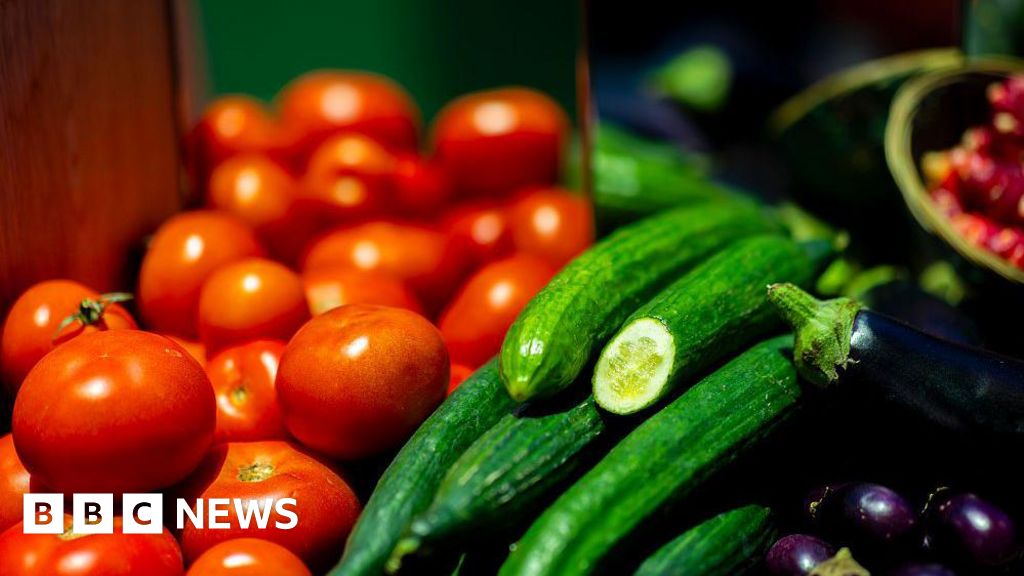
Effective closure of the Strait of Hormuz for more than three weeks is raising fuel and fertiliser costs and the NFU warns UK food prices will rise: glasshouse produce (cucumbers, tomatoes, peppers) could see increases within 1–6 weeks, while field crops and milk may be affected within 3–6 months. Retail pass-through is uncertain — some costs may be absorbed but ‘some costs will inevitably be passed on to the consumer’ — and senior ministers will discuss the cost‑of‑living impact at COBRA next week while the CMA monitors red diesel pricing.
An energy-driven input shock will transmit through the food chain in distinct waves: high-frequency, high-margin glasshouse producers see cost pressure within weeks, while arable rotations and animal feed economics distort planting and herd decisions over the next 3–9 months. That staging creates asymmetric pricing power — retailers with long-term supply contracts and vertical integration can smooth margins short-term, whereas spot-exposed suppliers (fertiliser merchants, seasonal growers) will face rapid margin compression and working-capital stress.
Logistics friction is the hidden amplifier: longer routes, higher insurance and rerouting premium increase spoilage risk for perishables and selectively benefit firms with frozen/ambient portfolios or superior cold-chain orchestration. Expect freight rate volatility to reprice distribution economics, raising operating leverage for vertically integrated grocers and cold-storage specialists while crowding out small importers.
Policy and transparency interventions are the key binary catalysts. If regulators mandate fuel-price pass-through caps, margin reallocation will favor input producers over retailers; conversely, targeted relief (subsidies or tax breaks for red-diesel) would postpone crop-level adjustments but encourage further fertiliser demand, keeping commodity prices elevated. A sustained input shock lasting multiple seasons would accelerate farm consolidation and capex into precision ag — a multi-year structural winner set to take market share from high-cost marginal producers.
AI-powered research, real-time alerts, and portfolio analytics for institutional investors.
Overall Sentiment
moderately negative
Sentiment Score
-0.40
