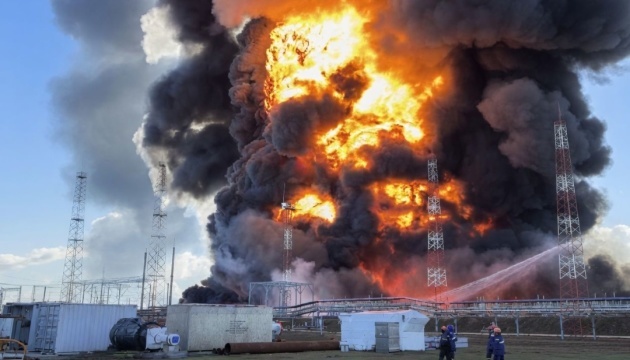
A drone attack sparked a fire at Russia's Syzran oil refinery, one of the largest in the Samara region and part of Rosneft, with black smoke reported over the industrial area. The plant processes 7-8.5 million tonnes of oil annually and produces gasoline, diesel, jet fuel, fuel oil, and bitumen, raising near-term disruption risks for Russian fuel supply. The incident adds to broader geopolitical tensions and could support regional energy market volatility.
This is less about one refinery fire and more about a creeping degradation of Russia’s downstream reliability. Repeated strikes on processing capacity force a choice between running plants harder, shifting crude exports toward low-value barrels, or protecting infrastructure with scarce air-defense assets; all three are economically costly and politically awkward. The near-term market effect is usually understated because crude can still move, but product tightness in diesel and jet fuel tends to show up first, especially if the damaged unit was a meaningful regional supplier.
The second-order winner is not just global crude producers; it is refiners outside Russia that can arbitrage higher middle-distillate margins. European and Middle Eastern refiners are better positioned than integrated majors to capture sudden product dislocations, while airlines and trucking fleets face the opposite exposure through wider jet/diesel cracks. If attacks continue over the next few weeks, the bigger risk is a localized logistics squeeze that forces Russia to redirect product internally, tightening export availability and raising volatility in regional refined-product benchmarks.
The market’s main blind spot is that the price response may lag the physical damage. One refinery outage rarely moves Brent materially, but a sequence of outages can compound into a meaningful hit to Russian product exports and force emergency maintenance that persists for months. The contrarian view is that crude may not rally much at all if the disruption is viewed as downstream-only; the cleaner expression is in refining spreads, not outright oil, until there is evidence of broader export interference or sustained capacity loss.
Catalyst timing matters: over days, headline risk and risk premia can spill into energy equities and defense assets; over 1-3 months, the relevant question is whether repair timelines extend and whether Russia reroutes enough crude to pressure OPEC+ compliance. Over 6-12 months, repeated infrastructure attrition can raise the structural discount on Russian refined exports and support non-Russian refiners' margins, even if headline crude prices remain rangebound.
AI-powered research, real-time alerts, and portfolio analytics for institutional investors.
Request DemoOverall Sentiment
strongly negative
Sentiment Score
-0.55
