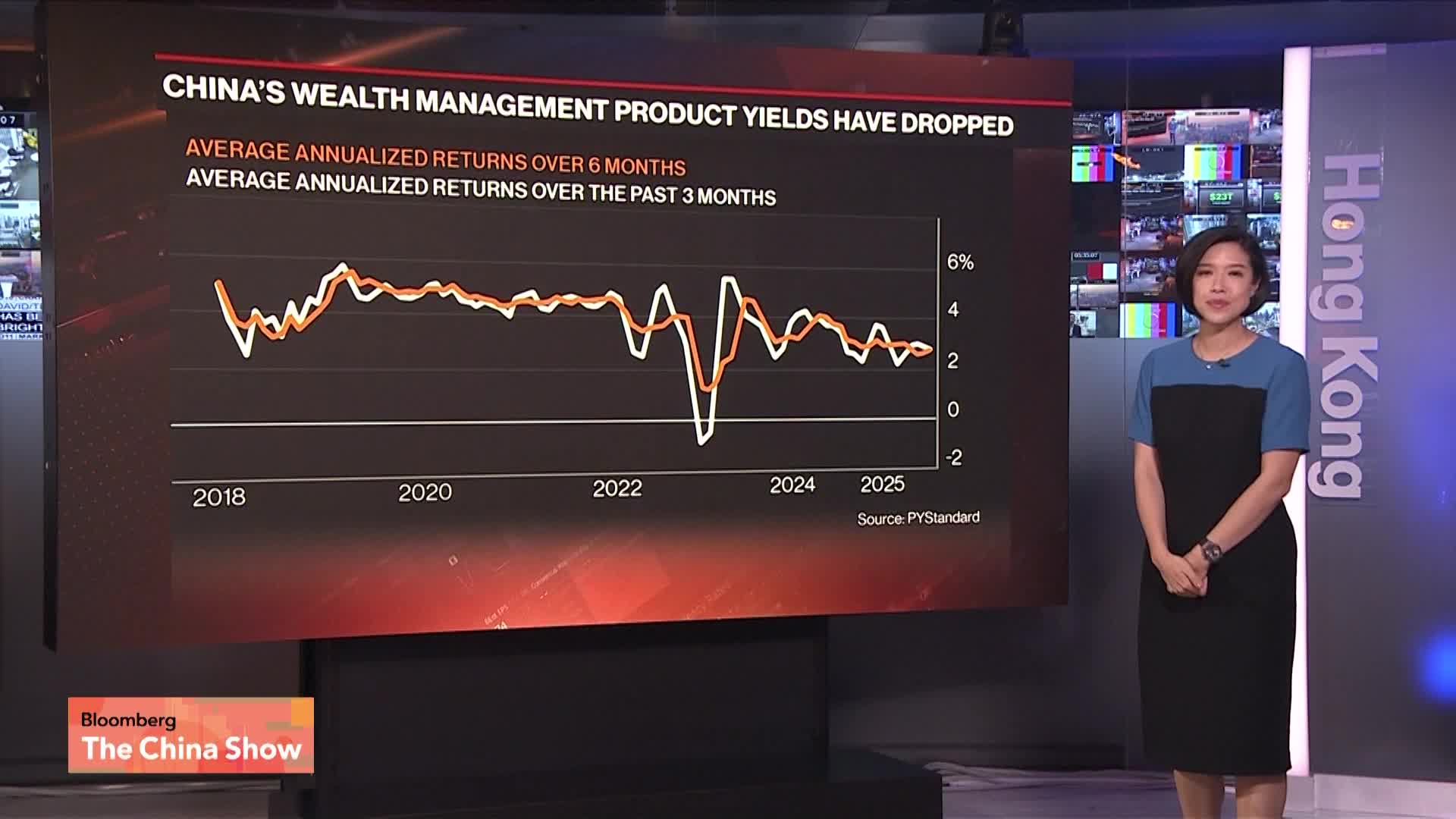
Chinese households, holding $23 trillion in savings, are increasingly constrained to equities as their primary investment avenue due to limited alternatives. The real estate market faces a crisis, wealth management products offer lower returns amid tighter regulation, and bank deposits yield minimal interest, effectively pushing substantial capital into the stock market despite its volatility and broader economic headwinds.
A significant structural dynamic is shaping Chinese financial markets, where a massive $23 trillion pool of household savings is being funneled into equities due to a scarcity of viable alternatives. This capital redirection is not a reflection of bullish sentiment but a forced allocation resulting from a crisis in the real estate sector, diminishing returns from wealth management products amid tighter regulation, and minimal yields on bank deposits. The resulting flow creates a powerful technical tailwind for the Chinese stock market. However, this occurs against a challenging backdrop of market volatility and broader economic headwinds, as indicated by the moderately negative sentiment score. The situation suggests that domestic capital flows may become a more dominant driver of equity valuations than traditional fundamental metrics, introducing a unique variable for assessing market stability and direction.
AI-powered research, real-time alerts, and portfolio analytics for institutional investors.
Request DemoOverall Sentiment
moderately negative
Sentiment Score
-0.40
