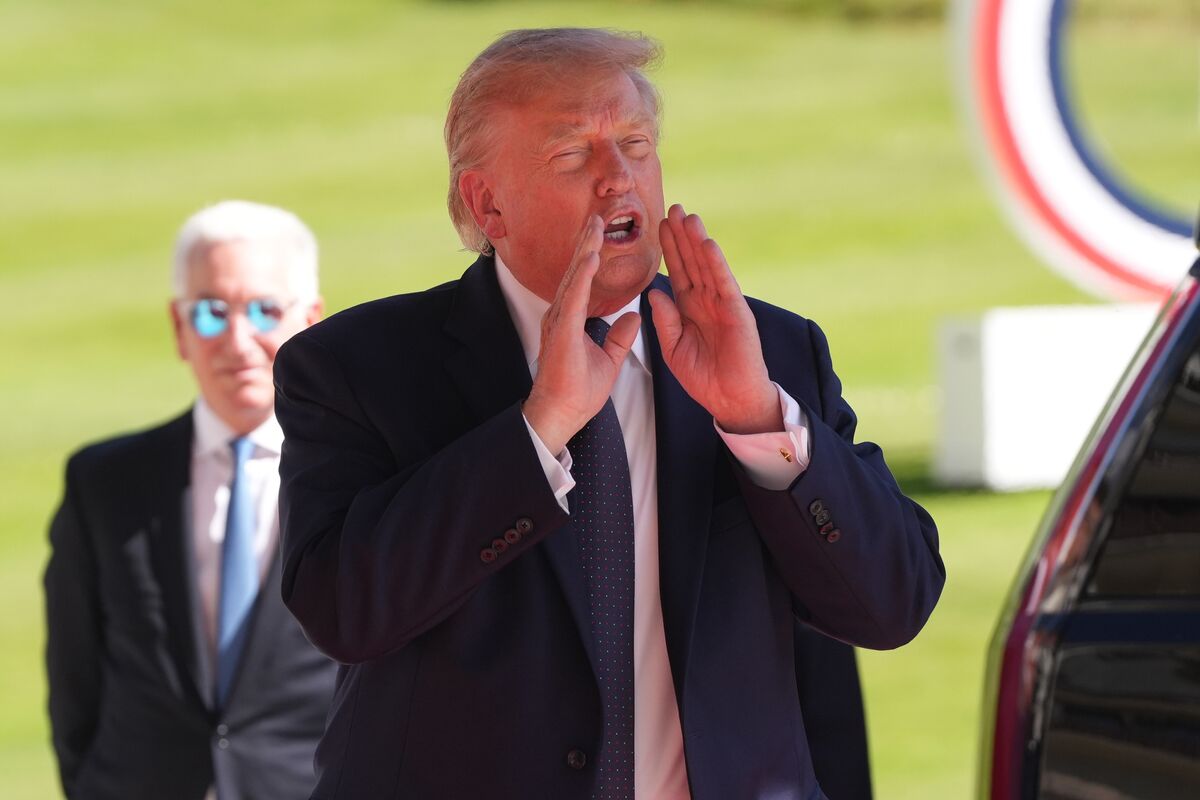
The article argues that the Iran conflict has effectively de-escalated, with the US appearing to back down rather than forcing Iran into surrender. The immediate market implication is limited, but the piece suggests a more favorable risk backdrop for markets and that central banks and rate decisions have not yet been materially affected.
The market’s muted response suggests the larger trade is not the geopolitical headline itself but the removal of a left-tail oil-supply shock. That matters most for rate vol and inflation breakevens: even a modest probability reduction in a Hormuz disruption can compress the term premium in front-end Treasuries and support duration-sensitive equities. The second-order winner is anything that had been priced for a risk premium on higher energy, logistics, or defense spending; the loser is the inflation hedge bid embedded across commodities and commodity-linked FX.
This is also a positioning event. When consensus has spent weeks leaning long crude, long defense, and short duration, a de-escalation can trigger a faster unwind than the underlying fundamental change would justify. The clearest near-term transmission is through market technicals: systematic vol sellers and trend followers can reinforce a move lower in oil and higher in equities even if macro data do not improve. That creates a window where rates can rally on geopolitics even before central banks explicitly react.
The contrarian risk is that the market may be overconfident in the durability of détente. If the ceasefire/de-escalation does not translate into stable shipping lanes or if proxy friction reappears, the risk premium can snap back within days, not months. The bigger medium-term question is whether lower geopolitical energy risk delays the inflation impulse enough to give central banks more room to ease; if so, the biggest beneficiaries are not energy shorts but duration and growth assets with high sensitivity to real yields.
AI-powered research, real-time alerts, and portfolio analytics for institutional investors.
Request DemoOverall Sentiment
mildly positive
Sentiment Score
0.15
