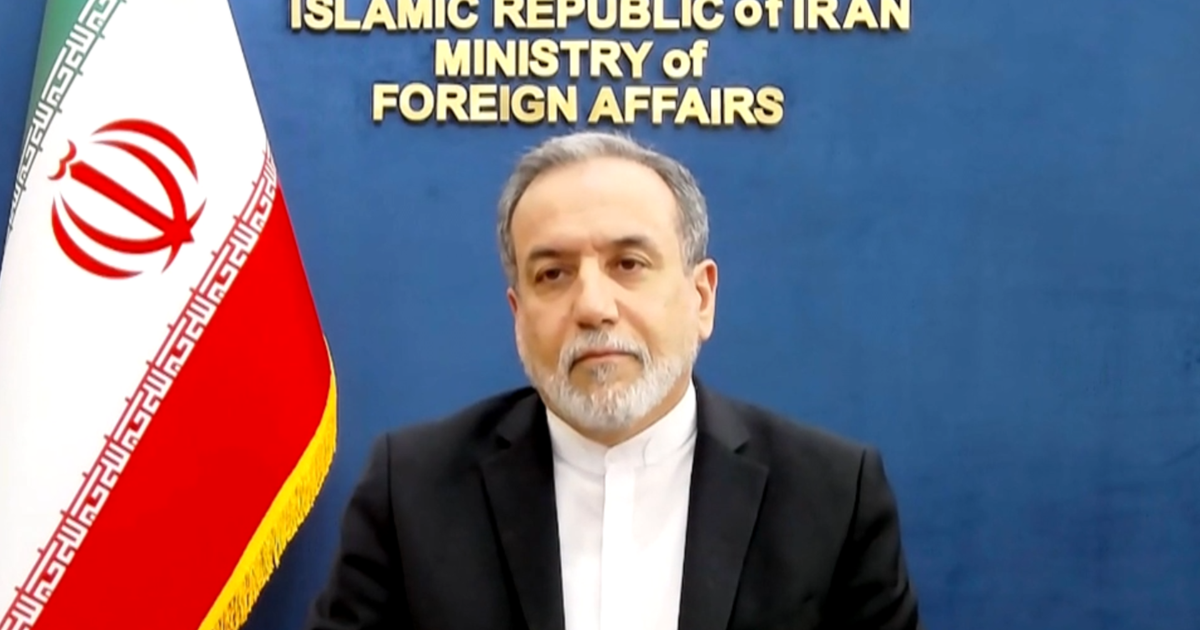
Iranian Foreign Minister Abbas Araghchi said Tehran insists on its sovereign right to peaceful nuclear energy, including enrichment, as U.S. and Iranian negotiators prepare to meet in Geneva on Thursday to pursue a diplomatic resolution. The statement comes amid U.S. pressure and President Trump's warning of possible limited military strikes; Araghchi said military buildup is unnecessary but pledged retaliation against U.S. regional bases if Iran is attacked. The renewed tensions raise downside risk to regional stability and could sustain risk premia in oil markets and boost demand for defense-related assets if diplomacy stalls.
Market structure: A short-term winners/losers bifurcation is likely — defense primes (Lockheed LMT, Northrop NOC, General Dynamics GD) and oil producers (XOM, CVX, SLB) gain pricing power from higher risk premia and potential supply disruptions, while airlines (DAL, LUV, AAL), regional EM borrowers and shipping/insurance providers are immediate losers. Expect insurers and freight providers to raise rates (10–30% on some routes) if Strait of Hormuz risk persists, shifting margin to integrated majors and contractors.
Risk assessment: Tail risks include a limited US strike triggering regional escalation (oil spike +15–30% in days) or a broader campaign causing global growth shock; low-probability but high-impact. Time horizons: days = volatility spikes (VIX +10–20 pts), weeks–months = oil rebalances (+5–15%) and defense rerating, quarters+ = structural sanctions/defense spending raising defence sector revenues by mid-teens annually. Hidden dependencies: shipping insurance, LNG contract reroutes, and US shale supply response can cap price spikes.
Trade implications: Favor short-duration, directional exposure to defense and oil and protection on equities: establish concentrated 2–3% longs in LMT/NOC and XOM/CVX, buy 3-month GLD as tail hedge, and purchase 1–3 month SPY put spreads or VIX calls to hedge a volatility jump. Pair trades: long XOM / short JETS (U.S. Global Jets ETF) for relative-value oil upside vs travel distress. Use entry triggers (WTI +5% in 72h or VIX >18) and stagger exits at +15–25%.
Contrarian angles: Consensus prices a prolonged conflict; history (2019 tanker attacks) shows spikes often mean-revert in 4–8 weeks as alternative supply and demand response appear. Risk that a diplomatic deal materializes within 2–6 weeks — defense and energy rerates could be overdone; prefer scaled, event-driven sizing and 8–12% stop-losses to avoid jammed exits on knee-jerk headlines.
AI-powered research, real-time alerts, and portfolio analytics for institutional investors.
Request DemoOverall Sentiment
moderately negative
Sentiment Score
-0.50
