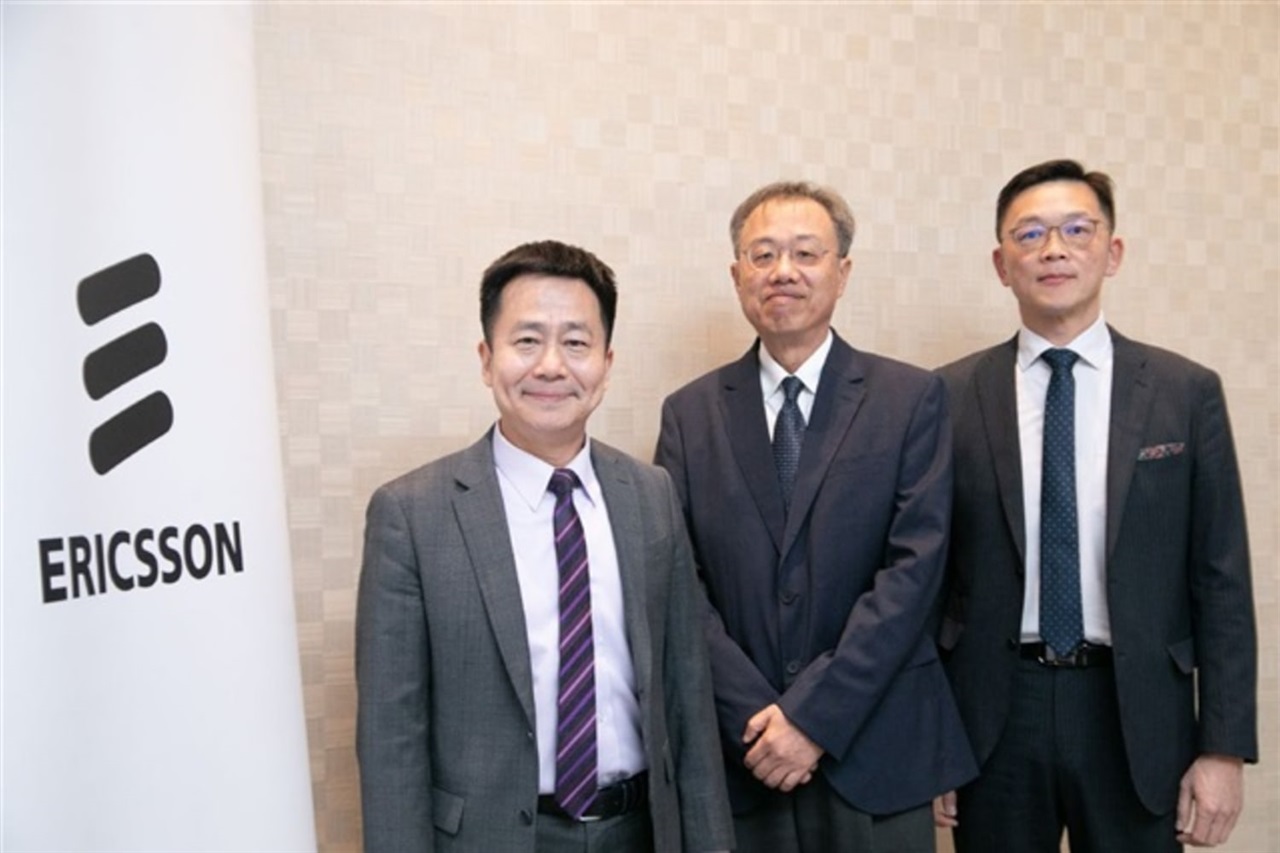
Ericsson confirmed it will participate at the 2026 Mobile World Congress in Barcelona (March 2–5) under the theme "Enter new horizons" and will collaborate with global partners; the published story is paywalled and provides no financial or operational details. The announcement is a routine event participation note—material market impact is unlikely in the near term, though MWC often serves as a platform for product launches and partnership disclosures that could affect longer‑term commercial momentum.
Market structure: Ericsson (NASDAQ:ERIC) is the obvious near-term beneficiary from MWC 2026 visibility; direct upside also flows to 5G/edge semiconductor suppliers (QCOM, AVGO) and cloud/OSS software vendors if Ericsson promotes managed services. Main losers would be direct RAN peers (NOK) and smaller integrators if Ericsson wins share via bundled hardware+software deals; pricing power shifts depend on contract mix (capex vs annuity services). Cross-asset effects should be modest: small SEK appreciation on positive prints, marginal support for copper/cable names on accelerated capex, and negligible sovereign bond impact unless multiple vendors report multi-year >€1bn contracts that imply broad industry capex acceleration.
Risk assessment: Tail risks include geopolitical export controls (China), a failed MWC demo or product flaw, and renewed chip shortages—each could swing ERIC +/-15-30% in extreme cases. Time horizons: immediate (days) for volatility around announcements, short-term (0–3 months) for re-rating on contract wins, long-term (1–3 years) for structural revenue mix shift toward services/6G. Hidden dependencies: operator budget cycles, spectrum auction outcomes, and subcontractor delivery (Samsung, Intel supply) determine conversion of announcements into revenue. Catalysts to watch: operator contract announcements, multi-year managed-service deals, and regulatory pronouncements in the EU/US within 30–90 days.
Trade implications: Event-driven directional plays: establish modest equity exposure to ERIC and use options to cap downside while capturing event upside; consider relative value long ERIC vs short NOK to express share gains. Options: buy-call or call-spread on ERIC expiring 6–12 weeks out to capture post-MWC re-rate while selling further OTM to finance premium. Sector rotation: overweight telecom equipment, baseband semis (QCOM), and telecom software; underweight legacy system integrators with <25% recurring revenue. Entry/exit: build positions 3–7 trading days pre-MWC, tighten stops 3 trading days after major announcements, fully reassess by 90 days.
Contrarian angles: The market often overreacts to demos—short-term knee-jerk moves may be overdone if Ericsson reports marketing wins without firm orders, creating quick mean-reversion opportunities of 5–12%. Conversely, consensus underappreciates the long-term margin uplift if Ericsson converts hardware wins into 20–30% higher software/recurring revenue over 2–3 years. Historical parallels: past MWC cycles produced 5–15% short-term swings but true market-share shifts required multi-year contracts (2018–2021 5G rollout pattern). Unintended consequence: aggressive pricing to win RAN deals could improve revenue but compress gross margins by 200–500bps, so trade payoffs hinge on disclosed contract structure (capex vs managed services).
AI-powered research, real-time alerts, and portfolio analytics for institutional investors.
Request DemoOverall Sentiment
neutral
Sentiment Score
0.00
